
Last updated November 16, 2026
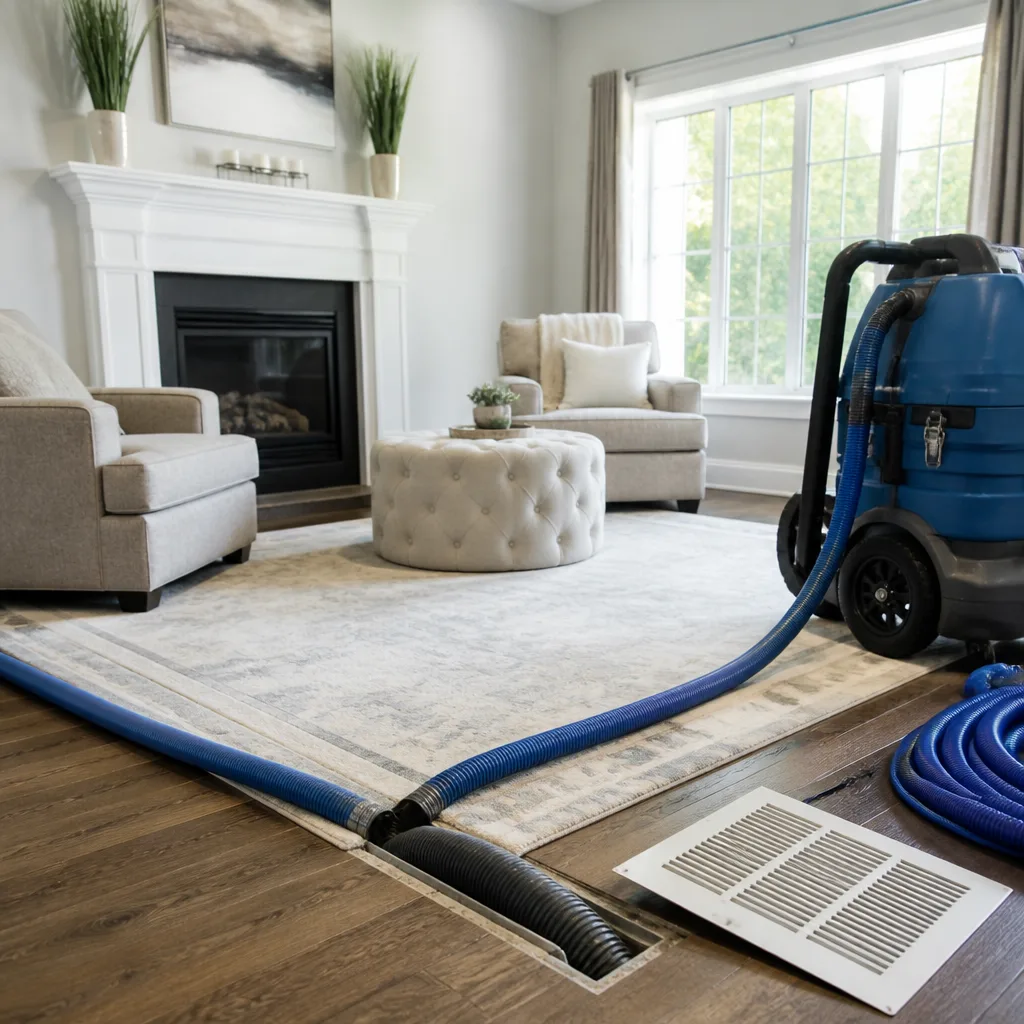 Whole-home duct cleaning
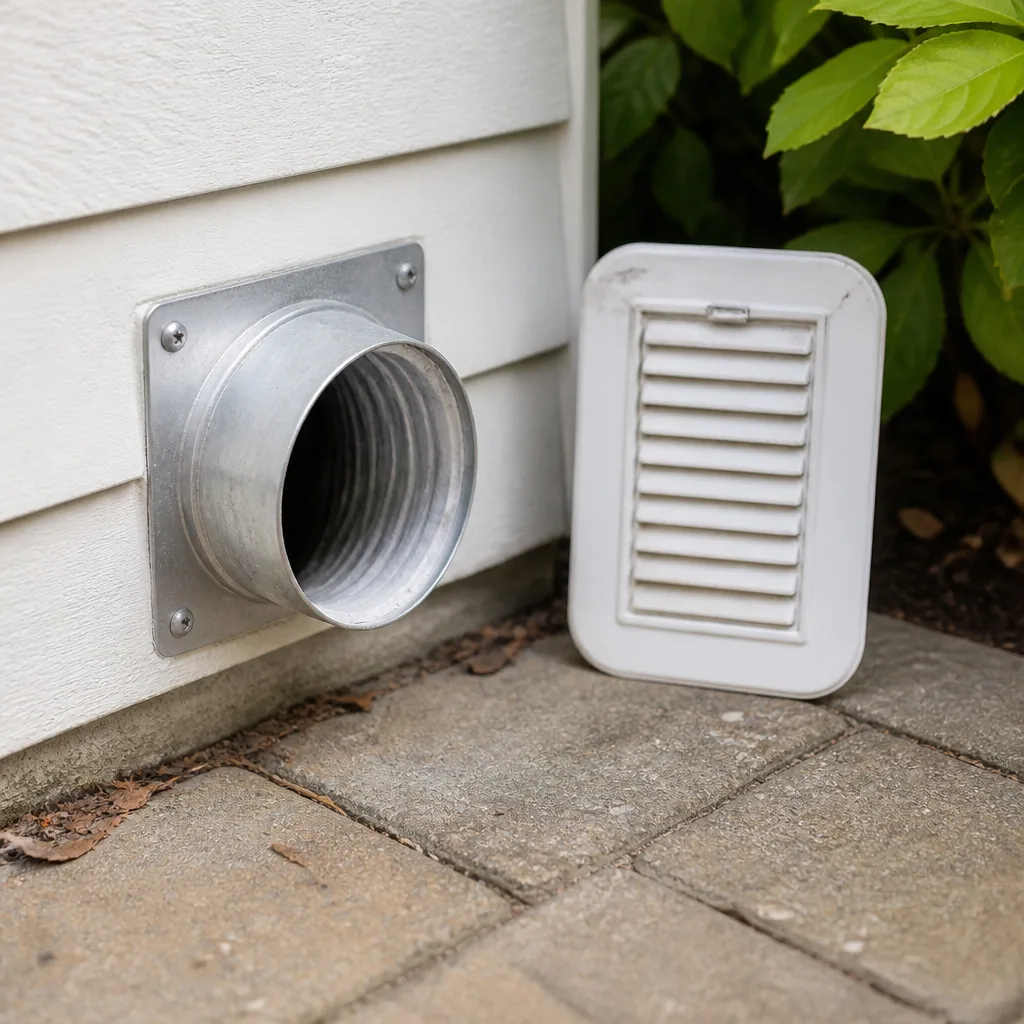 Dryer vent cleaning
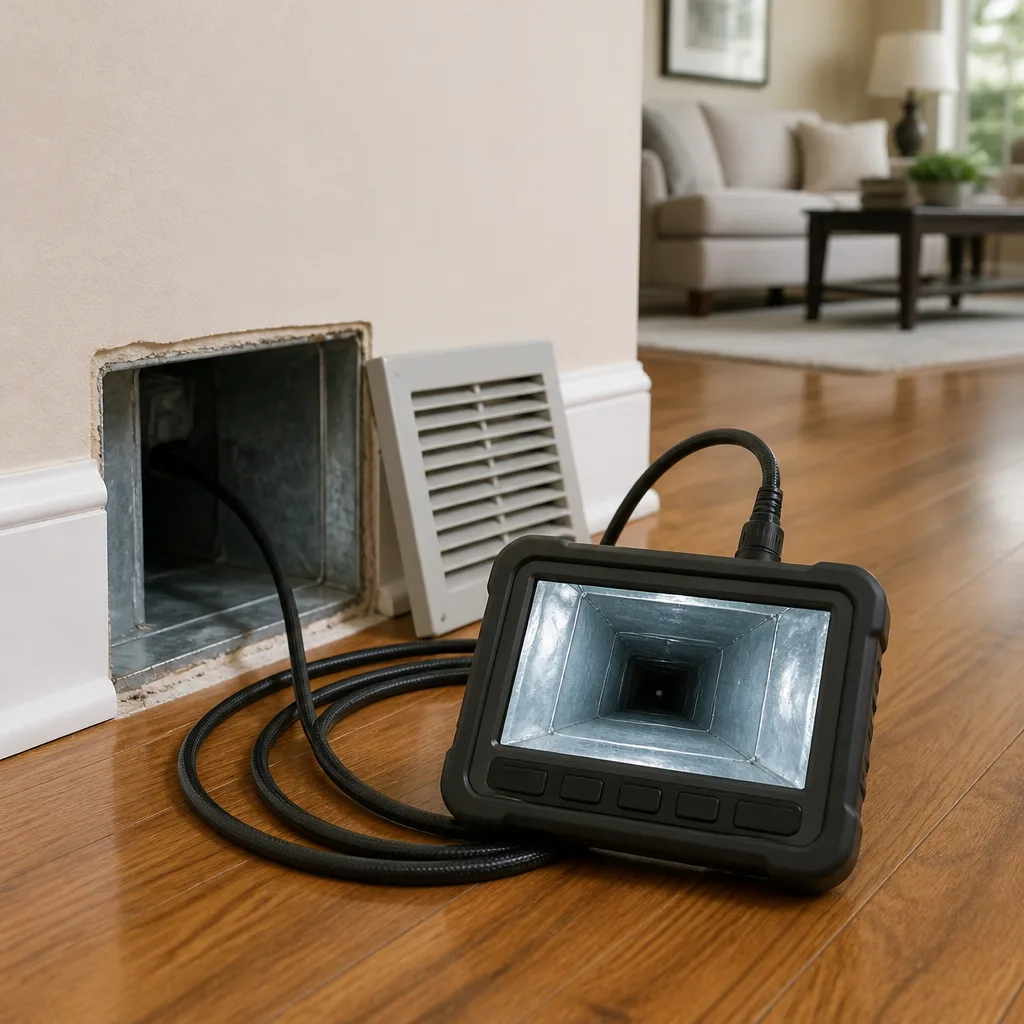 Camera inspection
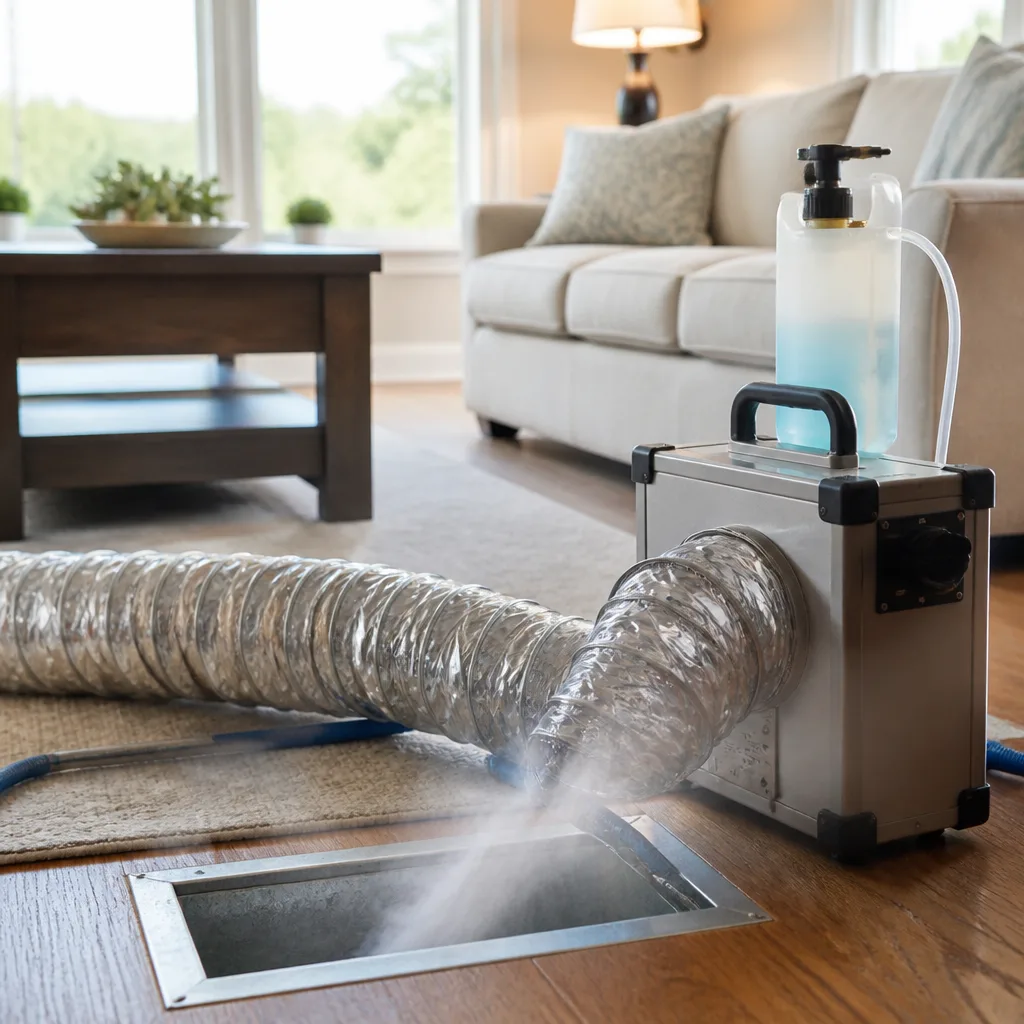 Sanitizing & deodorizing
Whole-system duct and dryer vent check with before-and-after photos - you see exactly what came out of your vents
That "$99 whole-house special" is a bait ad - the real number appears once they are in your hallway, or the "clean" is a shop-vac at the register. We photograph the inside of your ducts before and after instead.
Seasonal Air Duct Cleaning Care for Fayetteville: Year-Round Homeowner’s Guide
Most advice about duct cleaning treats the Southeast as a two-season climate: hot and humid, then cool. Fayetteville doesn’t work that way. Here, the year splits into four distinct stress periods for an HVAC system, and each one loads the ductwork differently. Spring arrives with a heavy pollen load that overwhelms return grilles and filter racks. Summer pushes dew points past 70°F, which turns an innocent-looking flex run into a condensation trap. Fall brings the first heating cycle after months of dormancy, the single riskiest moment for odor and debris distribution. Winter tests whether your ducts are actually sealed. The generic “clean every 3 to 5 years” calendar ignores all of it. This guide walks through what happens inside your system during each season in Fayetteville, what you can observe yourself, and how to build a service schedule that follows the actual stress points.
Quick Answer
The best time to schedule professional air duct cleaning in Fayetteville is late spring, after pine and oak pollen has finished loading your returns but before the humidity peak of June through September, with a second look at your system in October before the first heating cycle. Homeowners with allergies, pets, or recent renovations often benefit from a cleaning tied to those two transition points rather than a fixed multi-year interval. If you notice musty odors, visible dust at registers, or comfort problems that track with the seasons, the timing question is already answered: your system is telling you it needs attention.
Styles & brands we work with
- Whole-home duct cleaning
- Dryer vent cleaning
- Camera inspection
- Sanitizing & deodorizing
Table of Contents
- Why Fayetteville’s Climate Creates Four Duct Seasons
- Spring (March-May): Pollen, Returns, and Filter Bypass
- Summer (June-September): Humidity, Condensation, and Flex Duct Runs
- Fall (October-November): The First Heating Cycle
- Winter (December-February): Reading Leakage Through Comfort and Bills
- Building a Seasonal Service Schedule
- What You Can Check Yourself Each Season
- When Cleaning Isn’t the Answer: Duct Repair
Why Fayetteville’s Climate Creates Four Duct Seasons
A duct system is not a passive tube. It’s a pressure vessel and a dust separator running continuously or near-continuously for most of the year. What gets deposited inside depends heavily on what the air outside is carrying when the system pulls it in, and what happens to that air once it’s inside.
Fayetteville sits in a climate zone where all four seasonal loads are genuinely different. The spring pollen peak arrives with longleaf pine and oak releasing in volume, and every return grille in the house becomes a collection point. The summer dew points climb above 70°F, which is humid enough that any surface colder than the surrounding air – including an under-insulated flex run in an attic – can collect condensation on its exterior jacket. Fall brings the transition from cooling to heating, and the first cycle after months of dormancy pushes whatever settled over the summer straight into living spaces. Winter runs the heating system hard enough that duct leakage turns into a measurable comfort and energy issue.
If you treat all this as one continuous problem and schedule service on some fixed multi-year interval, you’ll usually get the timing wrong. Cleaning in August after a spring pollen load has already passed through the system for five months means you’ve paid for a cleaning that spent the whole season fighting a load the system was actively moving. Cleaning in December misses the pre-heating check. The smarter approach is to understand each season’s specific stress and match the work to it.
Homeowners across Fayetteville deal with this in different ways. Some clean annually, some wait five years, and a lot depends on the home. A newer build in a subdivision off Ramsey Street with a well-sealed system behaves very differently from a 1960s home near Haymount with original ductwork and more return leaks. Pets, allergies, children, and recent renovation all shift the equation too. What doesn’t change is the value of matching the work to the season.
Spring (March-May): Pollen, Returns, and Filter Bypass
Fayetteville’s pollen peak lands hard in March. Longleaf pine and oak release in volume during the same weeks the AC starts cycling back on, and every return grille in the house pulls that pollen into the system. What matters is not how much pollen enters – some always will – but what happens when your filter gets overwhelmed and starts bypassing.
What “filter bypass” actually means
Filter bypass is when air finds a path around the filter instead of through it. Every filter rack has small gaps at the edges, and every filter has a rated capacity. When a filter loads past that capacity – which spring pollen accelerates dramatically – the air pressure behind it rises and finds those gaps. Pollen and fine dust that would have been captured instead travel past the filter and deposit on the evaporator coil, in the supply plenum, and inside the duct runs themselves.
Two things make this worse in spring. First, the sheer volume. Second, the particle size. Pine pollen particles are in the range that loads a filter quickly rather than passing through, which is good for the filter and bad for its change interval. A filter that typically lasts three months may load in five or six weeks during the peak.
What you can observe at the return
- Visible dust or pollen accumulation on the grille face or the filter surface within two or three weeks of a change
- A filter that looks uniformly gray rather than evenly distributed with dust
- Whistling or higher airflow sound from the return, which can indicate the blower is working harder against a loaded filter
- Visible dust trails at the edges of the filter frame, a sign air is bypassing
- Return grilles that collect fine gray film on the ceiling or wall just around the frame
Why post-pollen-season is the best cleaning window
Late May and early June, after the pine and oak finish releasing but before the summer humidity peak drives up condensation risk, is the most efficient time to have the system professionally cleaned. The pollen load has finished accumulating, so cleaning at that point removes the entire season’s deposit in one pass rather than catching the system mid-load. It also means the ductwork is clean going into the summer, when humidity-driven problems are harder to diagnose against an already-dirty baseline.
For households with allergies or pets, this timing matters more than the interval does. Cleaning in late May sets the system up clean for the four months when windows stay closed and the system runs continuously. Cleaning in, say, February means the system spends spring re-loading from a baseline that’s already been reset months earlier.
If your filter bypass is dramatic enough that the evaporator coil has collected visible debris, the coil needs cleaning too – but that’s a separate job from duct cleaning. A proper air duct cleaning visit in late spring, with a technician who can evaluate filter rack fit and system condition, is the right way to close out the pollen season.
Summer (June-September): Humidity, Condensation, and Flex Duct Runs
Fayetteville’s dew points run above 70°F through most of June, July, August, and September. That’s the threshold where things start to matter in a mechanical sense. When the AC runs, the air inside the supply duct is typically around 55°F. When the exterior surface of that duct is exposed to 95°F air with a 72°F dew point, any place the insulation jacket is compromised is a condensation surface. Water forms on the outside of the duct, and from there a whole chain of problems begins.
Why flex duct is the vulnerable part
Flexible duct runs, especially in attics and unconditioned crawl spaces, are the most common failure point in a Fayetteville summer. The inner liner carries the air, the insulation sleeve slows heat gain, and the outer jacket is the vapor barrier. When the outer jacket is torn, disconnected at a fitting, or has lost insulation density from being compressed against a truss, the vapor barrier fails first. Moisture accumulates inside the insulation sleeve rather than on the inner liner, which means you may not see dripping – but you will see the effects.
What you can observe at the registers
- Condensation on the register face or the supply boot during the hottest, most humid weeks
- A musty or “wet cardboard” smell from supply registers when the system first starts
- Cooling performance that drops noticeably during long humid stretches but recovers in dry weather
- Visible water stains or drip marks on the ceiling below attic duct runs
- A wet spot or damp patch inside a crawl space near a duct run
- Insulation jacket that looks saggy, torn, or disconnected at a fitting – visible from the attic hatch
The trap of cleaning wet insulation
One of the more common mistakes is having a system cleaned while the insulation sleeves are already damp from a long humid summer. A cleaning removes the surface debris but doesn’t fix the moisture problem, and inside a few weeks the system can load back up. When we clean in summer or early fall, we look for signs that flex runs have taken on moisture – and if they have, the visit should include at minimum a candid conversation about which runs need repair or replacement rather than just a cleaning pass.
Nikro HEPA-filtration vacuum equipment is what we rely on for this work. The reason is that in a humid environment, fine particulate behaves differently than in dry climates – it clumps, it clings, and it can stay suspended in the air longer after agitation. A vacuum that recirculates fine dust rather than capturing it is not doing real work in a Fayetteville attic in August. HEPA filtration changes what actually leaves the system.
Systems with whole-home filtration, including setups from Honeywell or Aprilaire, can also help reduce the summer load. We can evaluate what’s installed and whether the filter and housing are sized correctly for the airflow your system moves. That’s separate from the cleaning itself, but it’s the kind of judgment a homeowner benefits from having made by someone who knows the equipment.
Fall (October-November): The First Heating Cycle
Every year, the first heating cycle of the season pushes debris and odor into the living space. The furnace or heat pump has sat dormant through the summer, the ductwork has been carrying cold air for months with lower velocity patterns, and dust has settled in the plenum and on the heat exchanger surfaces. When the system fires up for the first time in November, it moves that accumulated material at higher velocity and higher temperature than the summer did.
What the first heating cycle does
- Distributes settled dust from the summer. Anything that accumulated in low-flow areas – the supply plenum, the trunk ends, the last few feet of long runs – gets picked up and pushed into rooms when heating airflows run at higher pressure.
- Releases accumulated odors. The musty smell people notice “for the first few days” of heating season is usually duct-surface dust getting warm for the first time in months, plus whatever microbial activity occurred over the humid summer.
- Surfaces hidden leakage. Heating season runs higher static pressure than cooling in most systems because the supply temperature is higher and the airflow pattern stresses the duct differently. Seams and joints that held up all summer can leak visibly in fall.
- Tests your filter. A filter that survived summer has been through the highest humidity season and moves into fall with a load of dust that a heating season will lift and redistribute.
What to do before you turn the heat on
A brief fall check before the heating season starts is worth the ten minutes it takes. Replace the filter. Walk through the house and note any register that shows dust on the louvres. Listen at each register during the first heating cycle for whistling or unusual airflow noise. If a “musty leaf pile” smell persists past the first two or three days of heating, that’s a sign the system is moving material rather than just where it settled.
October is the ideal month for a fall duct cleaning in Fayetteville. The pollen load of spring is gone, the humidity of summer is trailing off, and you have several weeks before the first heating cycle. Cleaning in October means the heating system runs the whole winter through ductwork that started clean. Cleaning in December after the first cycle has already distributed the summer’s residue misses the point of the exercise.
If you notice during that first heating cycle that the odor is stronger in some rooms than others, note which. It can point to specific duct runs that have collected more material, or to disconnected sections that are drawing from an attic or crawl space rather than the return path. That’s useful information for the conversation about whether the air duct cleaning visit should also include a duct repair evaluation.
Winter (December-February): Reading Leakage Through Comfort and Bills
Winter in Fayetteville isn’t severe by national standards, but it’s the season when duct leakage becomes measurable in ways it isn’t during cooling. Heating air runs at higher pressure and higher temperature than cooled air, which means any leak in the system becomes more apparent – both in how rooms feel and in the energy bill. A duct system that leaks 15% of its airflow loses more heat energy per leak in winter than it loses cooling energy in summer.
Comfort patterns that point to leakage
- One or two rooms that never quite reach comfort while the rest of the house is fine
- Rooms at the end of long duct runs that feel noticeably cooler than rooms near the air handler
- A room that’s actually too warm while another stays cold – suggests supply and return imbalance rather than simple leakage
- Drafts at floor registers when the system is not running, which usually means a return leak pulling outside air
- Dust collecting quickly on surfaces near specific registers rather than evenly through the house
Bill patterns that point to leakage
A jump in the winter heating bill that outpaces the temperature drop is one of the clearest signals. If last winter cost a certain amount at a certain average temperature and this winter at the same average temperature costs meaningfully more, and the equipment is unchanged, the ductwork is usually part of the explanation. Duct leakage is invisible, but it shows up on the utility bill.
What to monitor and when to call
If you notice the comfort patterns above, or the bill pattern, the diagnosis starts with a duct inspection. Ductwork in attics and crawl spaces is where the leaks are, and both are places most homeowners reasonably don’t want to spend a January afternoon. A technician with the right equipment can evaluate the system, identify specific leaks, and tell you whether the fix is a repair – sealing and reconnecting – or whether the affected run needs replacement.
Air duct repair is a distinct service from cleaning. Cleaning removes what’s inside the duct. Repair fixes the duct itself. When a compromised run is identified mid-winter, the worse move is to clean the system and ignore the leak, because whatever you remove from inside the duct will be replaced by whatever the leak pulls in from the attic or crawl space. We’d rather find the leak and fix it than clean around it.
Building a Seasonal Service Schedule
The generic “every 3 to 5 years” recommendation makes a certain amount of sense in a mild climate where the system’s main job is moving clean air. It makes less sense in Fayetteville, where the four seasonal loads described above mean the system accumulates material at a rate most national averages don’t reflect. Here’s a schedule that follows the actual stress points.
A one-year cycle for a typical Fayetteville home
- March through May (pollening): Change filters aggressively. Check them every three weeks during the peak weeks rather than relying on the usual interval. Note anything unusual at returns. Do not schedule cleaning yet – you’d be cleaning mid-load.
- Late May or early June (post-pollen, pre-humidity): The ideal window for professional cleaning. Removes the full pollen season’s deposit before the summer condensation season makes the ductwork harder to evaluate.
- June through September (humidity): Watch for condensation at registers and musty odors. Note any cooling performance that dips during humid stretches. Replace any filter that visibly loads.
- Early October (pre-heating): Replace filters. Walk the house and inspect return grille frames and visible flex-run jackets at any accessible attic or crawl-space hatch. Note any tears or disconnections.
- Late October or early November (before first heating cycle): The second-best cleaning window if the spring window was missed, and the ideal window for a duct repair evaluation if anything looked wrong during the October walkthrough.
- December through February (heating): Monitor comfort and bills. Note rooms that underperform. Listen at registers during the first heating cycles.
How households with allergies, pets, or recent renovation should adjust
Allergy households often benefit from the spring clean every year, not every three. Pet households accumulate dander at a rate that makes the spring window important for the same reason. Homes that have been renovated – a kitchen remodel, an addition, anything that involved significant dust generation – should treat the renovation as its own stress event and schedule the cleaning relative to it rather than to a calendar. Fine renovation dust (drywall, joint compound, sawdust) lodges in ductwork and can take multiple cleaning passes to fully remove, so timing matters.
Older homes present a different adjustment. Duct systems installed decades ago were often built to different standards, and loose-fitting joints, poorly-sealed trunk connections, and undersized return pathways are more common. Those systems often need repair alongside cleaning, and the schedule for them is best built around the seasonal windows that stress the existing weaknesses least. A pre-heating inspection in October is especially valuable on a duct system of uncertain vintage.
Households with whole-home filtration systems from brands like Honeywell or Aprilaire should also consider filter housing evaluation as part of the seasonal check. A correctly-sized housing with a properly-rated filter can meaningfully extend the cleaning interval. The reverse is also true: an undersized housing will bypass and take you back to the spring problem even with good filtration.
What You Can Check Yourself Each Season
You don’t need to climb into the attic to gather useful information about your duct system. Most of what tells you whether it needs attention is visible from inside the house. Here’s a season-by-season list of what to look at and what to note.
Spring checks
- Filter condition every three weeks during the pollen peak
- Return grille faces for visible dust accumulation
- Filter frame edges for dust trails indicating bypass
- Any visible dust film forming on the ceiling or wall around return frames
Summer checks
- Supply register faces for condensation during humid weeks
- Ceiling or wall surfaces below attic duct runs for staining or drip marks
- Crawl space access for dampness near duct runs
- Note whether cooling performance varies with humidity or is consistent
Fall checks
- Replace filters before the first heating cycle
- Note any musty odor in the first week of heating
- Any visible flex jacket damage at an accessible attic hatch or crawl space opening
- Register louvres for dust accumulation that the summer didn’t leave
Winter checks
- Any rooms that consistently underperform
- Drafts at registers when the system is off
- Heating bill relative to last year’s at comparable temperatures
- Dust reappearing on surfaces faster in one area than another
None of these checks require climbing into an attic or a crawl space. Note what you observe and mention it when you call. A technician who knows to look at the return bypass gap because you mentioned dust trails at the filter frame will find the problem faster, and that’s useful whether or not the visit is a cleaning.
When Cleaning Isn’t the Answer: Duct Repair
Sometimes the problem isn’t dirty ductwork. It’s ductwork that’s come apart, been crushed, or was installed poorly enough that it can’t do its job. A cleaning pass on a compromised system doesn’t fix the compromise, and in the case of a disconnected run pulling air from an attic or crawl space, it can actively make things worse by re-dirtying the system quickly.
Signs you need repair, not cleaning
- One room that never gets enough air while others do – possible collapsed, crushed, or disconnected run
- Visible disconnection at a fitting, accessible from an attic hatch or crawl space opening
- Condensation on register faces or boots even in moderate humidity, which usually means an uninsulated or under-insulated run
- Drafts at registers when the system is off, which can indicate a return side leak drawing from outside the conditioned envelope
- Musty odors that come back within weeks of a cleaning
What repair involves
Repair work usually involves reconnecting disconnections, sealing seams and joints, replacing crushed or moisture-damaged flex runs, and addressing return-side leakage that pulls from unconditioned space. The goal is a duct system that delivers the air your equipment produces to the rooms that need it, without carrying dust from the attic or crawl space into the living space. For households with sensitive occupants – allergies, young children, or members with respiratory conditions – the containment discipline on a repair job matters as much as the parts themselves. Abatement Technologies equipment in a containment-oriented workflow keeps dust from migrating into occupied space during the work, which is a level of discipline worth insisting on when the work is happening in or near bedrooms.
Not every duct system needs repair, and not every system that needs repair needs the same kind of repair. The right answer is to have the system evaluated by someone who does both cleaning and repair, so the recommendation reflects what the duct actually needs rather than just what the technician is equipped to sell. Wexford Air Duct Cleaning does both, which means the assessment isn’t steered by a service you don’t have.
Dryer vents are a related but separate story. They’re a dedicated service, not an add-on, because a clogged dryer vent is a fire risk rather than an air quality concern. The same systematic approach applies – inspect, clean, verify – but the seasonal pattern for a dryer vent is different from ductwork. A dryer vent cleaning once a year is the common recommendation, and running it at the same time as a fall duct cleaning keeps the household on one schedule.
Common Mistakes to Avoid
- Cleaning in the middle of pollen season. You’ll clean the system and then watch the pollen load it back up in weeks. Wait for the pine and oak peak to finish in late May or early June.
- Ignoring the summer humidity window. A cleaning on a system with damp or damaged flex runs will undo itself quickly. In Fayetteville, moisture in the insulation sleeve is a bigger issue than the dust inside the duct.
- Turning on the heat in November for the first time without a filter change. The first heating cycle is the highest-risk period for distributing summer’s accumulated dust. A fresh filter before the first cycle is a five-minute fix for a lot of the odor complaints that show up in November.
- Treating the cleaning as a bolt-on to general HVAC service without specifying equipment. Rotobrush rotary-brush systems and Nikro HEPA vacuums do different work than a portable shop vacuum, and the results differ. If the quote doesn’t mention the equipment, ask what it is.
- Cleaning instead of repairing. A disconnected run pulling attic air into the living space is a duct repair problem, not a cleaning problem. Cleaning a compromised system leaves you back where you started.
- Using filter change intervals that don’t fit the season. The “change every three months” schedule is a year-round average. In Fayetteville, it may be every five weeks in March and every twelve weeks in January.
- Forgetting the dryer vent. Duct cleaning season is a good moment to make sure the dryer vent was done in the last year. It’s a separate risk and deserves its own calendar slot.
- Assuming the multi-year interval is a fixed standard. A home with pets, allergies, or recent renovation in Fayetteville often benefits from a spring clean annually, not every three to five years.
See the difference
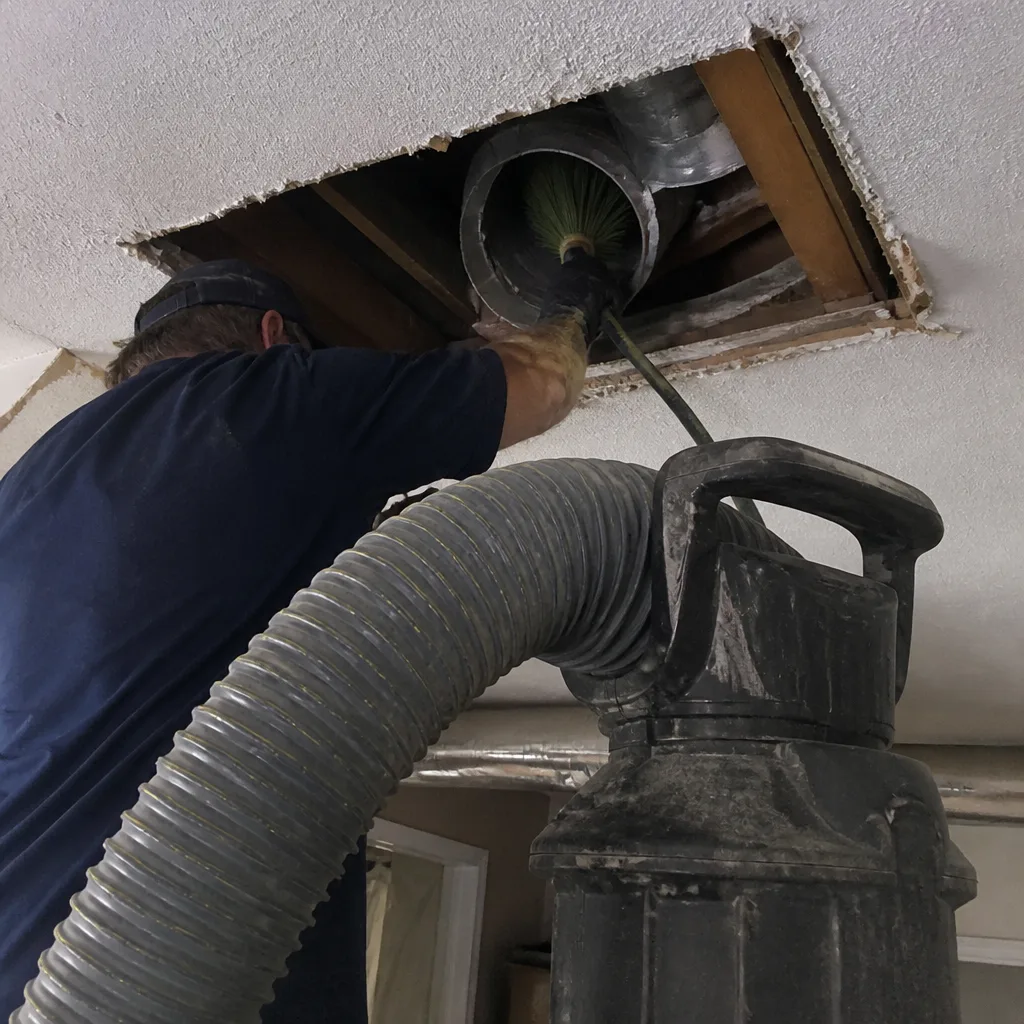 Before
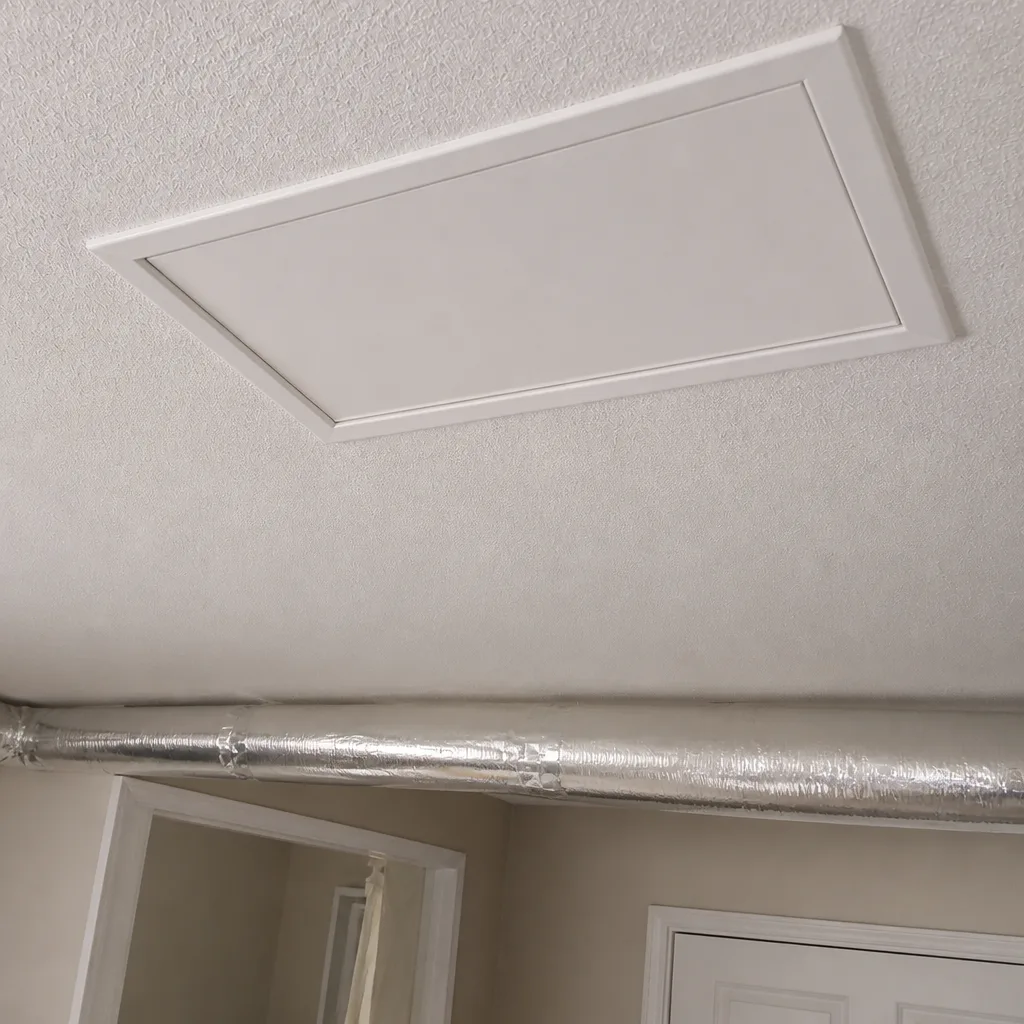 After
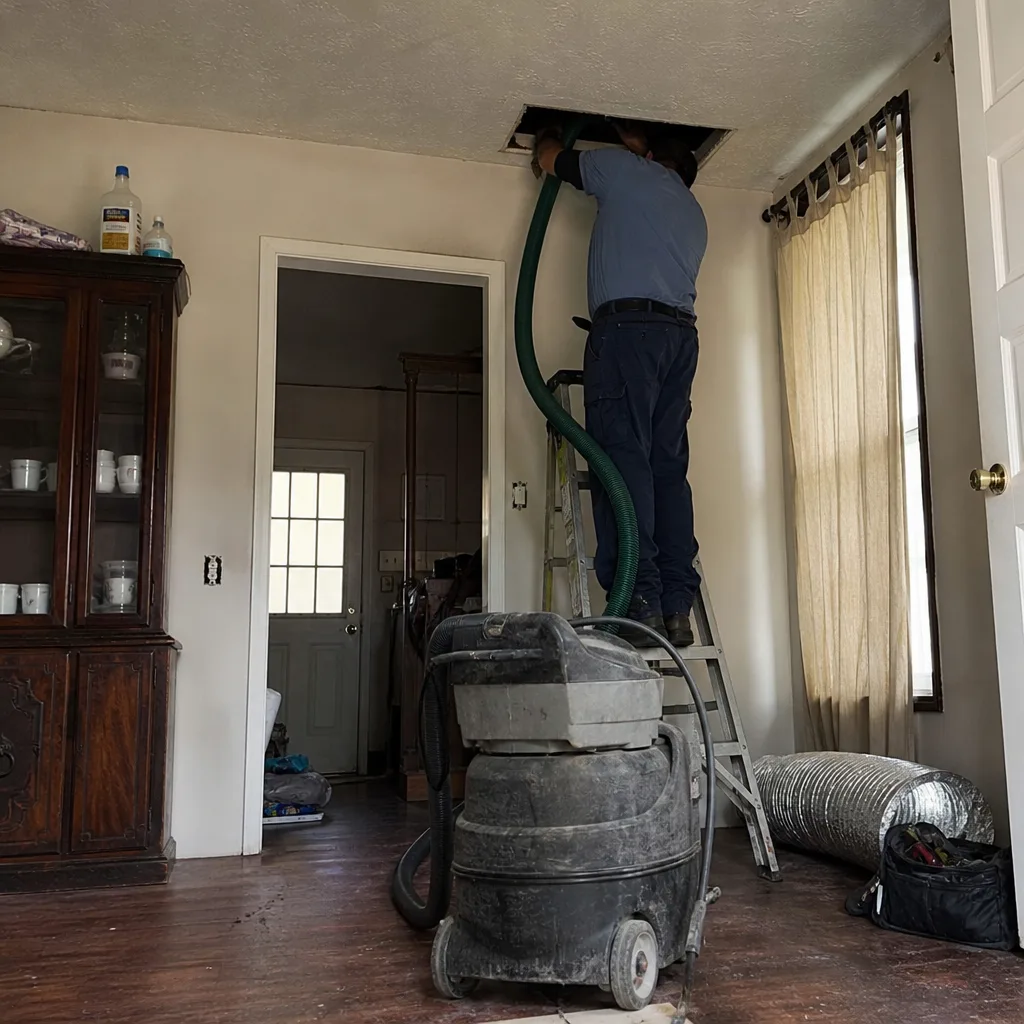 Before
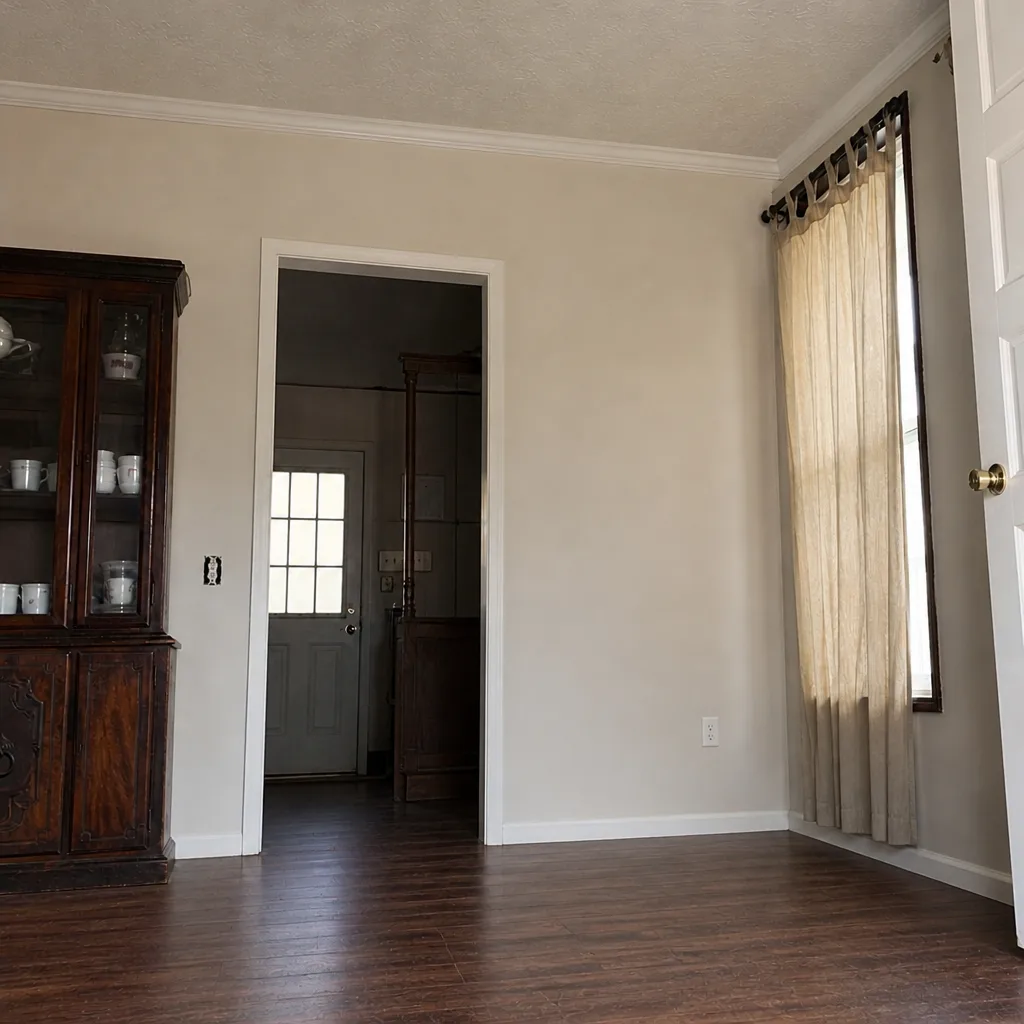 After
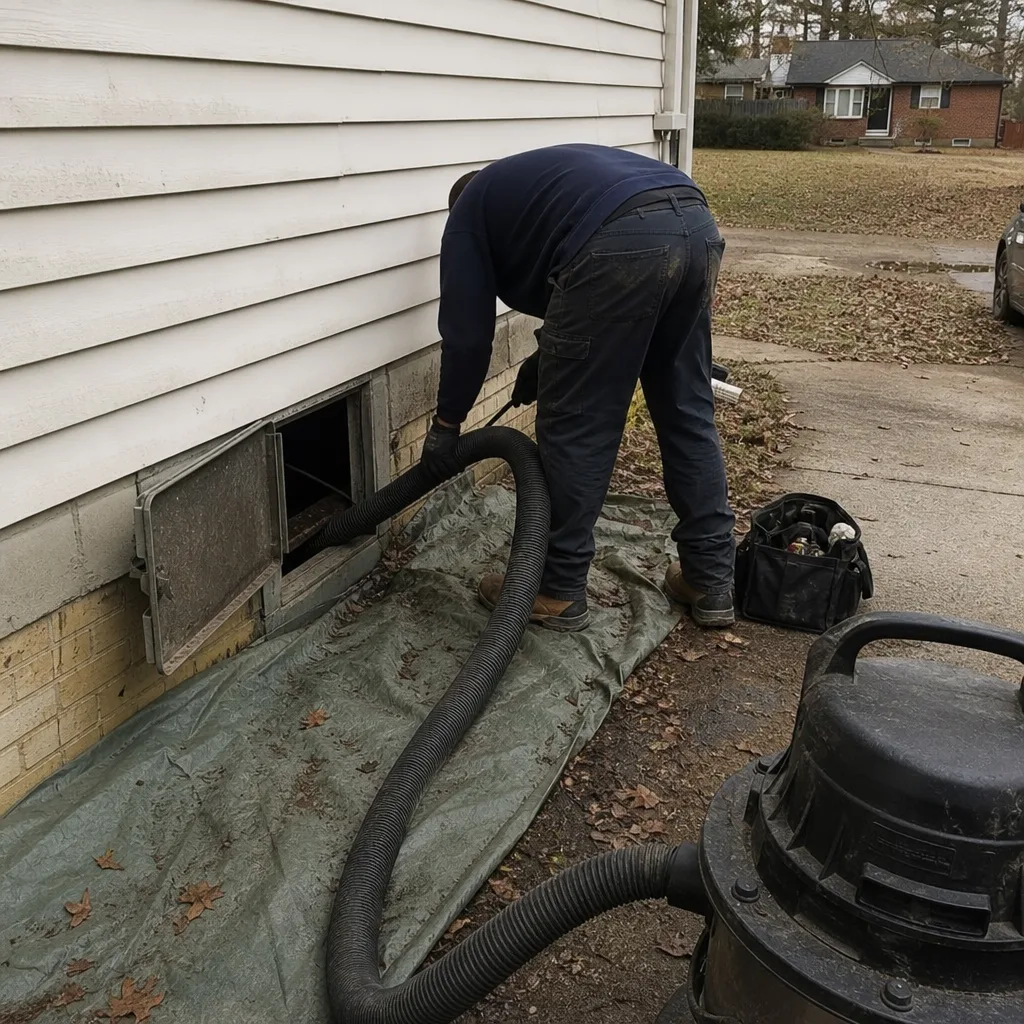 Before
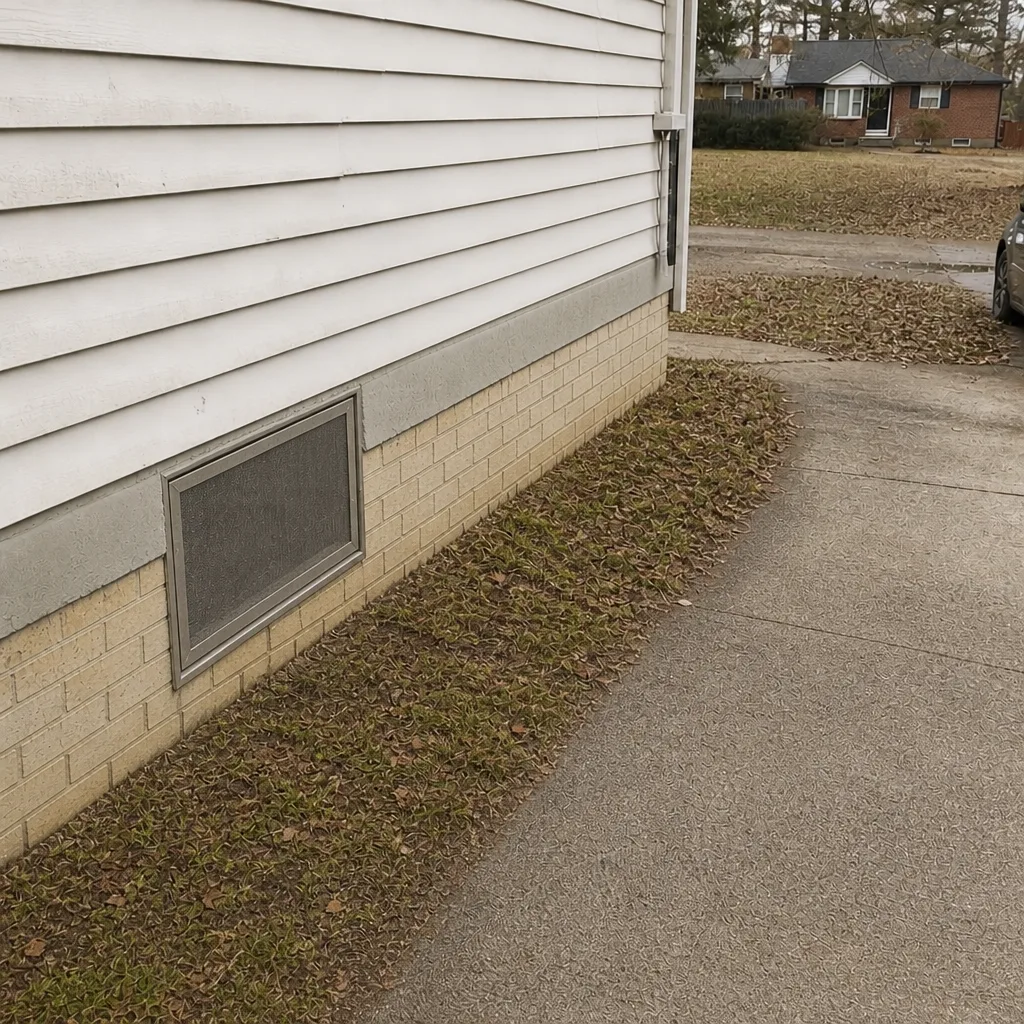 After
When to Call a Professional
Most ductwork in Fayetteville is fine for long stretches, and homeowners who stay on top of filter changes and watch for the seasonal signals in this guide will catch most problems before they become urgent. The call to a professional is worth making when the signals are specific. Visible dust at returns that reappears within weeks of a filter change. Musty odors that persist past the first week of heating. Rooms that consistently underperform while the rest of the house is comfortable. Condensation at registers or drip marks below attic duct runs. Visible flex jacket damage at an accessible hatch. Any of these suggests the system needs evaluation, not just a filter.
Wexford Air Duct Cleaning offers free estimates in Fayetteville. We clean, repair, and protect – not just clean. Call (888) 670-4029. We answer 24/7. Fast dispatch from 7am to 7pm, Sunday through Friday.
Frequently Asked Questions
For a typical Fayetteville home without pets or allergy concerns, the practical interval is roughly every two to three years, timed to late spring or early fall rather than to a fixed month. Homes with allergies, pets, or recent renovation often benefit from an annual clean at the post-pollen season window in late May or early June. The “every 3 to 5 years” default is a national average that doesn’t account for the four-distinct-season pattern described in this guide. Call (888) 670-4029 for an exact quote – estimates are free.
Late spring, after the pine and oak pollen peak but before the summer humidity sets in, is the ideal window for most homes. The second-best window is October, before the first heating cycle. Cleaning in spring removes the season’s pollen deposit before humidity makes the ductwork harder to evaluate. Cleaning in fall means the heating system runs the winter from a clean baseline. Cleaning in December, after the first heating cycle has already distributed summer’s residue, is the timing to avoid.
Cheaper quotes usually come from consumer-grade equipment rather than professional systems. A shop-style vacuum with a hose does different work than a Rotobrush rotary-brush system paired with Nikro HEPA filtration. The lower quote may also be based on a count of vents rather than a whole-system price, which can drive the final invoice up once the technician is on site. We quote one flat price per system, agreed before work starts, and we show before-and-after photos of the ductwork. Call (888) 670-4029 for an exact quote – estimates are free.
You should see before-and-after photos of your own ductwork, not a stock set from another job. The system should be inspected before cleaning so any disconnected or damaged runs can be identified, and after cleaning so the visible improvement is documented. Ask for both. A cleaning on a disconnected run that wasn’t identified first isn’t a cleaning – it’s a temporary fix that will reverse. Call (888) 670-4029 to book a system evaluation and cleaning.
With dew points above 70°F through most of June, July, August, and September, the exterior of any under-insulated or jacket-damaged flex run in an attic or crawl space can collect condensation. The insulation sleeve absorbs that moisture, which reduces its insulating value and creates a damp environment. You won’t necessarily see drips inside the house – the signs are more often musty odor at supply registers when the system first starts, cooling performance that drops during humid weeks, and visible jacket damage at an accessible hatch. If you see any of these, have the ductwork evaluated.
You can change filters yourself, and you should. You can also inspect returns, note register condition, and observe the seasonal signals in this guide. The cleaning itself is where the answer changes. The equipment needed – rotary brushes that fit into flex runs, HEPA filtration that captures fine particulate rather than recirculating it – is professional-grade for reasons that matter inside an attic in August. A portable shop vacuum does real work in a workshop, but recirculating fine dust through a residential HVAC system is a step backward, not forward. Call (888) 670-4029 to book a professional cleaning.
The Bottom Line
Fayetteville’s four-season duct stress pattern is the single most useful fact a homeowner can absorb for keeping their system in good shape. Spring pollen loads the returns and stresses filters. Summer humidity finds every weak point in flex insulation. Fall tests the system with its first heating cycle. Winter reveals leakage through comfort and bills. Cleaning on a fixed multi-year schedule ignores all of it. Cleaning in late May and checking again in October follows the actual pattern. The equipment matters too – a professional system with a rotary brush, HEPA vacuum, and containment discipline does work that a shop vacuum cannot. Monitor the signals, follow the seasonal windows, and call when the system tells you it needs attention.
Call (888) 670-4029 for a free estimate on air duct cleaning, dryer vent cleaning, or duct repair in Fayetteville. We answer 24/7. Fast dispatch from 7am to 7pm, Sunday through Friday.
Written by the team at Wexford Air Duct Cleaning.