
Last updated November 16, 2026
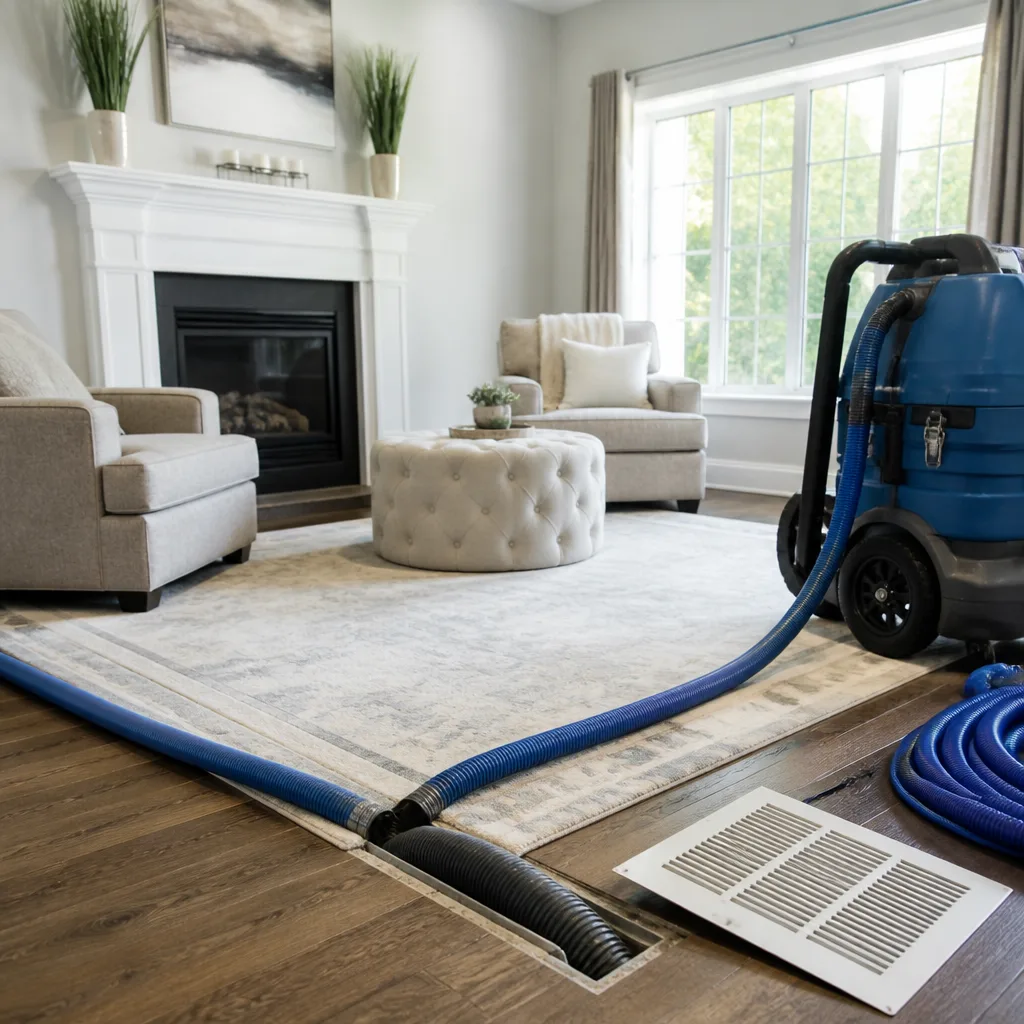 Whole-home duct cleaning
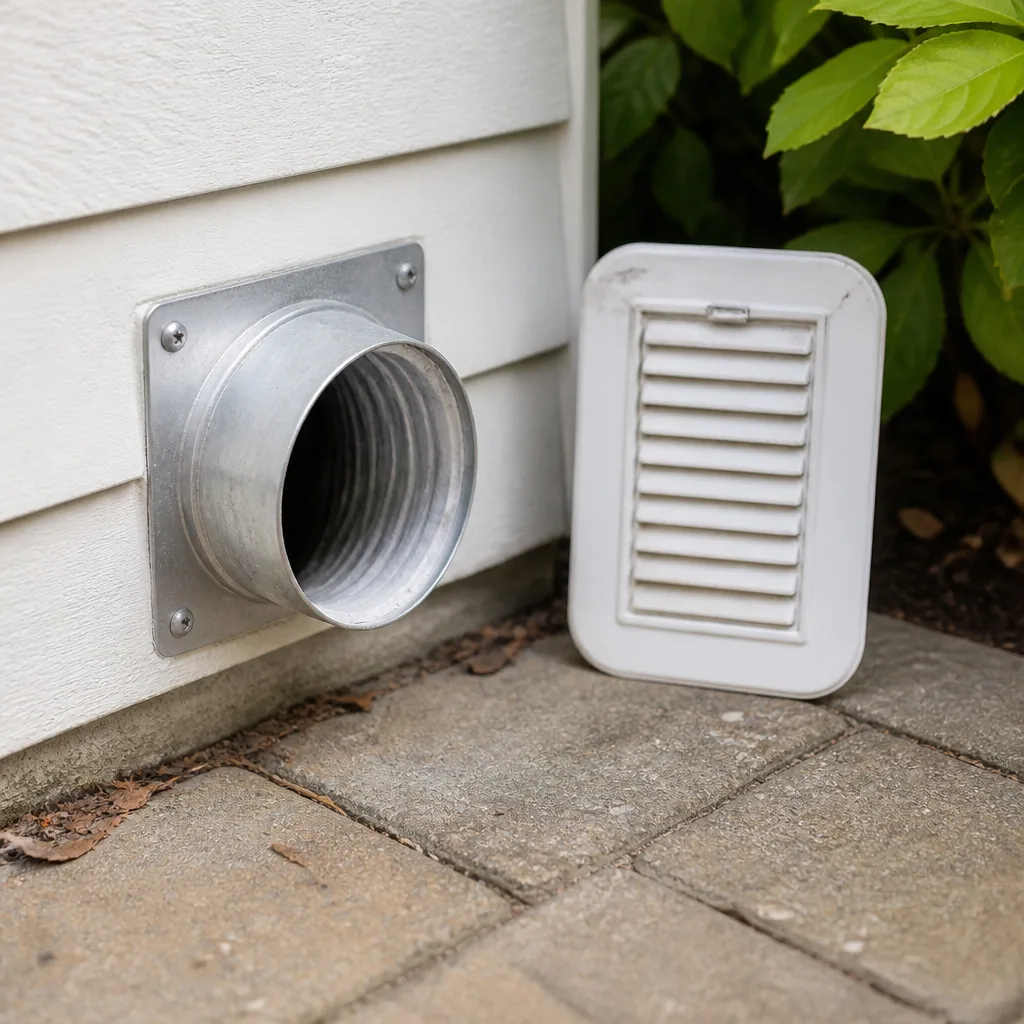 Dryer vent cleaning
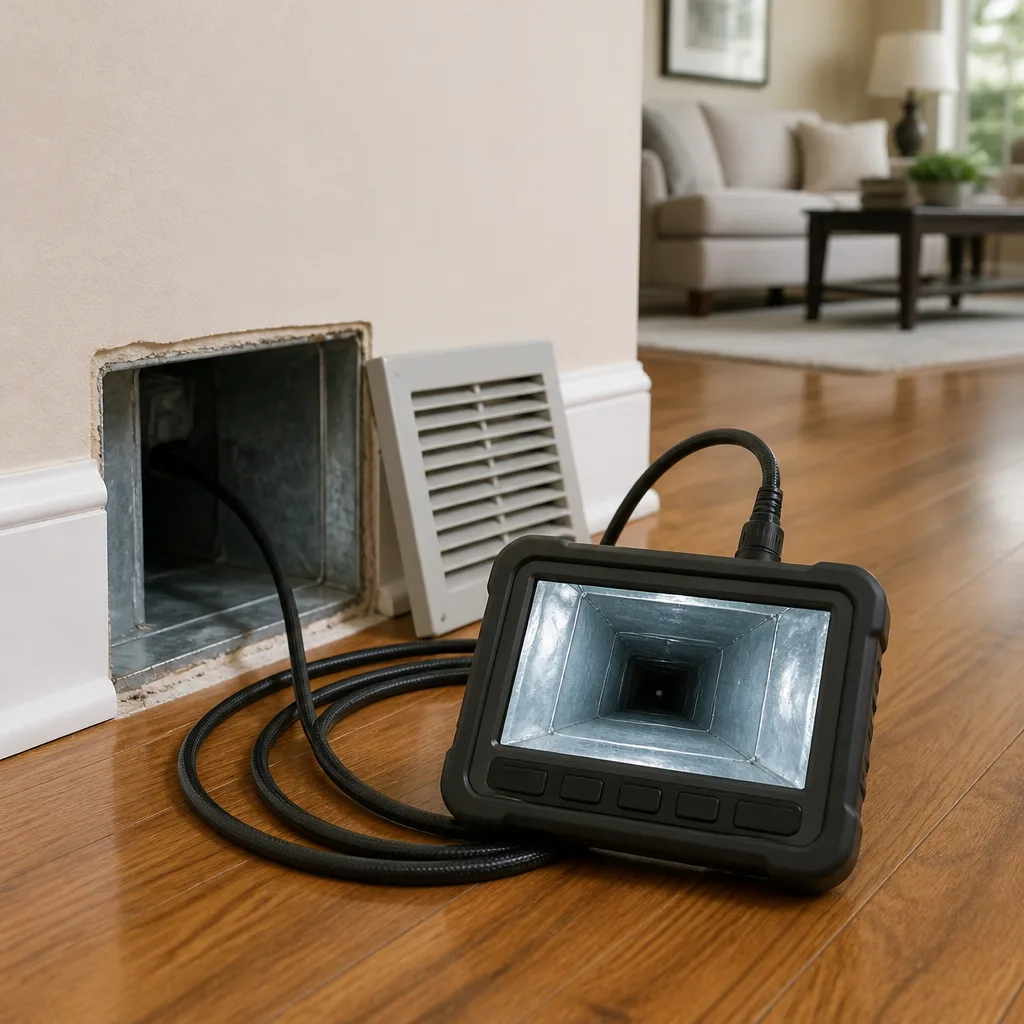 Camera inspection
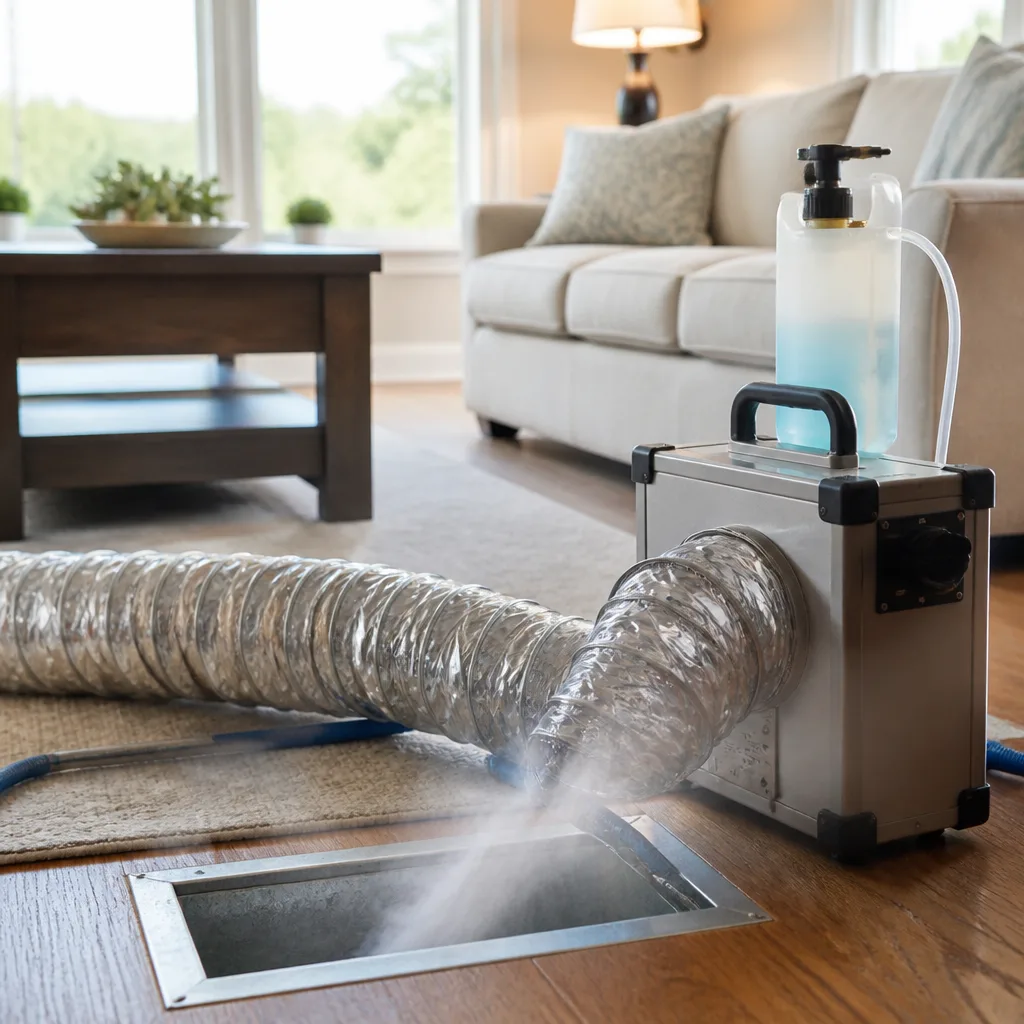 Sanitizing & deodorizing
Whole-system duct and dryer vent check with before-and-after photos - you see exactly what came out of your vents
That "$99 whole-house special" is a bait ad - the real number appears once they are in your hallway, or the "clean" is a shop-vac at the register. We photograph the inside of your ducts before and after instead.
Air Duct Cleaning Maintenance Checklist for Fayetteville Homeowners
Most maintenance checklists hand homeowners a calendar. Change the filter every 90 days, schedule a cleaning every few years, and call it done. That approach misses the point in a place like Fayetteville, where the air your system pulls in changes dramatically from month to month. A filter that loads up in October tells a very different story than one that clogs in March, and treating both the same way is how small, cheap problems turn into expensive remediation work. What follows is a process, not a schedule: what to look at, when to look at it, why the timing matters here specifically, and what you should never try to handle yourself. We’ll cover month-by-month tasks, a 60-second inspection you can do at any return grille, filter timing tuned to local pollen, what to log after a professional cleaning, and the three jobs that genuinely require professional tools.
Quick Answer
A workable air duct maintenance plan for Fayetteville means checking your return grilles monthly, changing filters on a schedule driven by the local pollen season rather than a fixed 90 days, and having your full system professionally cleaned on an interval your home’s conditions actually justify. Between visits, log what you observe so the next appointment starts from facts instead of guesses. The biggest mistake is confusing “the filter looked clean” with “the system is clean” – the ducts, plenum, and coil hold what the filter never catches.
Styles & brands we work with
- Whole-home duct cleaning
- Dryer vent cleaning
- Camera inspection
- Sanitizing & deodorizing
Table of Contents
- Why Fayetteville’s Air Duct Maintenance Calendar Isn’t Universal
- The Month-by-Month Homeowner Checklist
- The 60-Second Return Grille Inspection
- Filter Change Intervals Calibrated to Fayetteville Pollen
- What to Log After a Professional Cleaning
- Three Things You Should Never Maintain Yourself
- Post-Storm and Post-Renovation Checks
- Signs It’s Time to Schedule Professional Air Duct Cleaning
Why Fayetteville’s Air Duct Maintenance Calendar Isn’t Universal
Fayetteville sits in a part of North Carolina where the seasonal swing genuinely changes what your HVAC system handles. Spring brings a heavy pollen load from the longleaf pine country that surrounds the Sandhills, and that load is heavier than what much of the country deals with. Summer arrives with real humidity, the kind that makes a return grille feel cold and clammy if there’s any issue with the system’s moisture balance. Then fall flips the system from cooling to heating, and the first weeks of heating season stir up whatever settled in the ducts over the warmer months.
That seasonal pattern is why a generic interval pulled from a national website tends to be wrong for a Fayetteville home. A house near the Cape Fear River bottoms, where humidity runs high, faces different conditions than one out on higher ground in the western parts of the county. An older home in a historic neighborhood with original ductwork has different needs than a newer build with sealed, insulated flex runs. And a home with pets or allergy-sensitive occupants needs shorter intervals than one without.
The point isn’t that maintenance is complicated. It’s that the schedule should reflect your house, not a formula. Build your plan from three inputs:
- Your local conditions. Pollen load, humidity, and how much the system runs in a given season.
- Your home’s specifics. Age of the ductwork, type of duct material, whether there are pets, and whether anyone in the house deals with allergies or asthma.
- Your observations between visits. What the grilles look like, what the filter loads up with, and what any changes tell you about what’s happening inside the system.
When those three inputs line up, you get a maintenance rhythm that actually fits a Fayetteville home. When they don’t – which is what happens when a homeowner just follows a calendar – you get either wasted money on unnecessary cleanings or skipped cleanings that let small problems grow.
The Month-by-Month Homeowner Checklist
Here’s how we’ve seen the year break down for homes in Fayetteville. These aren’t strict dates; they’re seasonal markers to work around.
Late Winter (February to March): Pre-Pollen Prep
- Change the filter just before the pine pollen starts. This gives the system a clean starting point.
- Walk the house and check every return grille for dust accumulation and any sign of moisture.
- Take a phone photo of each grille as a baseline for comparison later.
- Note any whistling, rattling, or uneven airflow – these often point to duct issues you can’t see.
Spring (April to May): Peak Pollen Season
- Check the filter every 4-6 weeks during pollen peak. The pine pollen load in this region clogs filters much faster than the generic 90-day guidance suggests.
- Inspect return grilles weekly and note any visible buildup.
- Keep windows closed during the worst pollen days if anyone in the house is sensitive.
- If you normally have a professional cleaning on the calendar, this is often the best window – before the system loads up with a full season of pollen and cooling demand.
Summer (June to August): Humidity Watch
- Change the filter on a normal schedule – typically monthly in homes with pets, every 2-3 months otherwise.
- Feel each return grille for clamminess. Cold, damp grilles point to moisture problems that need professional evaluation.
- Watch for musty smells when the system kicks on; this is an early signal that something (often a coil or drain pan) is wet when it shouldn’t be.
- Note any rooms that feel warmer or cooler than the rest of the house. Uneven cooling is often a duct problem, not an equipment problem.
Fall (September to October): Heating Startup
- Change the filter before turning the heat on for the season.
- When the system first runs in heat mode, note any burnt-dust smell. A brief one-time smell is normal; one that persists through multiple runs is worth investigating.
- Re-check the return grilles; heating season often reveals dust that settled over the cooling months.
- If it’s been 2-3 years since a professional cleaning, this is a natural time to schedule one.
Late Fall and Winter (November to January): Baseline Check
- Maintain the filter schedule – monthly in a pet household, otherwise every 2-3 months.
- Do a full walk-through of every return grille with a flashlight.
- Compare the current state against your baseline photos.
- Note anything that looks materially different from the last check.
After Any Storm or Renovation
- Check the filter within a week of major renovation work (drywall, sanding, demolition).
- Inspect return grilles for construction dust and drywall particles.
- If any part of the house took on water, have the duct system evaluated before running the HVAC again.
The 60-Second Return Grille Inspection
You don’t need tools to do this. You don’t need to open anything up. All you need is a flashlight, 60 seconds per grille, and a working knowledge of what “normal” looks like for your house. Done monthly, it catches the early signs of a moisture problem while there’s still time for simple fixes.
Here’s the routine:
- Look at the grille face. Dust is normal. A thin, even film is expected. Uneven dust rings, dark patches, or dust concentrated on one side of the grille often point to a duct issue behind it – a leak, a disconnected run, or a low-flow problem on one side.
- Shine the flashlight up behind the grille (don’t remove it). Look for visible moisture, condensation on metal surfaces, or dark stains that weren’t there last time.
- Feel the air. With the system running, hold your hand at the grille. A strong, even pull is what you want. A weak pull, a whistle, or a pulsing feel points to airflow problems.
- Smell. A musty or damp smell at the grille is the single most reliable early indicator of moisture somewhere in the system. If you smell it once, note it. If it’s still there next month, that’s the point to get professional eyes on it.
- Check the grille’s frame and surrounding wall or ceiling. Hairline cracks at the grille edge, water staining, or paint that’s bubbling anywhere around the grille often signals moisture coming from an adjacent source – a plumbing leak, a roof issue, or condensation.
What makes this routine useful isn’t any single check. It’s the comparison. A grille that had thin, even dust three months ago and now shows a dark patch on one side is telling you something changed. That’s the cue to call, and it’s also the exact information a professional needs to know where to look first.
When the inspection turns up something and you decide to have the system evaluated, we do air duct cleaning and duct repair; the two often go together.
Filter Change Intervals Calibrated to Fayetteville Pollen
National filter guidance says every 90 days. For a lot of Fayetteville homes, that’s too long in spring and often unnecessary in winter. The right interval depends on what’s actually loading up the filter, and that changes with the seasons here.
The pine pollen season in this part of North Carolina is heavy. Longleaf pine country produces a pollen load that regularly outpaces what most of the country deals with, and a filter that would last 90 days under average conditions may only last 4-6 weeks during peak pine pollen. If you walk outside in April and your car is coated yellow, your filter is picking up a version of the same thing.
A reasonable starting schedule for Fayetteville homes:
- Peak pollen (roughly March through May): Check the filter every 2-3 weeks and change as soon as it visibly loads. In heavy pollen years, monthly changes are common.
- Summer cooling season: Every 4-6 weeks in pet households; every 2-3 months in homes without pets.
- Fall heating startup: Change before turning the heat on.
- Winter: Every 2-3 months, or follow the filter manufacturer’s own guidance if the system hasn’t been heavily loaded.
- After renovation, storm, or any dust-generating project: Change within a week, regardless of the season.
Filter choice matters as much as filter timing. The filter needs to match what the system can handle; putting in a very high-MERV filter on a system not designed for it can choke airflow and cause the very problems you’re trying to prevent. If you’re unsure what the equipment can accept, ask. Familiarity with whole-home filtration systems from brands like Honeywell and Aprilaire means we can help identify what your specific system supports instead of guessing.
For anyone setting up a maintenance calendar on the western or southern sides of Fayetteville, the pollen timing is roughly the same as the rest of the county. For homes closer to the Cape Fear River bottoms, humidity runs higher through the summer and the moisture checks matter more.
What to Log After a Professional Cleaning
A professional cleaning visit is only half the value if you don’t record what was found and what was done. The log is what makes the next visit efficient and what lets you (or a future service) spot change instead of starting from zero.
A useful log captures:
- The date of the cleaning and which parts of the system were addressed (supply runs, return runs, main trunk, plenum, coil).
- Any photos taken during the visit. If before-and-after photos were taken, keep them in one place – a folder on your phone is fine.
- Findings. Anything noted as compromised – a disconnected run, a worn flex connection, a section that showed moisture. This is the most valuable line item in your log.
- Any repairs made (sealed connections, reconnected runs, replaced sections).
- Filter size and type currently in use, so anyone (including you) can match it later.
- The next check-in date. If the recommendation was “re-evaluate in 18 months,” write it down and set a reminder.
Why this matters more than it sounds: an air duct system doesn’t change overnight. It changes over months and years, and the difference between “this looks normal” and “this needs attention” is usually the comparison to a known baseline. Without a log, every inspection starts cold. With a log, the next visit can start from the actual history of your system.
If you’re on the west side of town or in one of the neighborhoods off the All American Freeway, keep the same logging practice – the format doesn’t change, just the address on the file. If you ever need help building that baseline, we’re local to Fayetteville and can walk you through what matters.
Three Things You Should Never Maintain Yourself
There’s a version of “maintenance” that homeowners should stay well clear of, and it’s not because we want the work. It’s because each of these three jobs involves a real chance of making things worse, causing injury, or voiding a manufacturer’s warranty on equipment that costs real money to replace.
1. Flex Duct Repositioning
Flex duct looks simple. It isn’t. In a properly installed system, each run is sized, supported at specific intervals, and routed with the right amount of slack and the right number of bends to keep airflow efficient. Move one run without accounting for all of that and you can crush the inner liner, create a new leak at the connection, or leave a low spot where condensation collects. Flex duct that’s crushed or kinked will restrict airflow, which can stress the equipment and drive up energy use. If a run looks wrong, the correct move is professional inspection, not homeowner adjustment.
2. Internal Duct Liner Cleaning
Ducts lined with fiberglass acoustic or thermal liner have a rough, fibrous inner surface. Consumer vacuums and brushes tear it. Harsh chemicals degrade it. What starts as a DIY cleaning can leave a duct system with exposed fiberglass, which then blows fine particles through the house with every cycle. Professional-grade equipment exists for this: the Rotobrush rotary-brush system is designed to clean the liner surface without destroying it, and Nikro HEPA-filtration vacuum equipment captures the debris that comes loose instead of recirculating it into the room. Consumer gear does neither one well.
3. Plenum Seal Inspection
The plenum is the section of duct immediately downstream (or upstream) of the air handler. It carries the full volume of the system’s air, and any leak there is a significant efficiency loss and a common source of attic moisture or garage contamination. Inspecting and resealing a plenum means working with and around the air handler, getting a proper seal (tape, mastic, or rebuilding sections), and confirming the result under operating pressure. That’s professional work. Attempting it with consumer tape and no airflow measurement often creates a leak worse than the one you were trying to fix.
There’s a fourth one worth mentioning: anything that involves opening the air handler cabinet or working inside the blower compartment. Those steps involve electrical components and moving parts, and they should stay with trained technicians.
Post-Storm and Post-Renovation Checks
Fayetteville gets its share of heavy weather through the year, and it gets periods of heavy renovation activity, especially around some of the older neighborhoods where homes are being updated. Both scenarios put a heavier load than normal on the HVAC system and both deserve a specific set of checks.
After a storm that brought heavy rain and wind:
- Check the filter within a week. Wind-driven rain can push moisture into places the system doesn’t normally see, and airborne debris can land in outdoor units.
- Shine a flashlight into every return grille and look for the same moisture signs covered in the 60-second routine.
- Check attics, crawl spaces, and any accessible duct runs for visible water or staining.
- If any part of the house took on water, don’t run the HVAC until a professional has evaluated the system.
After renovation work with drywall, sanding, or demolition:
- Seal off the work area from the return side if possible. Construction dust pulls straight into the system when you don’t.
- Change the filter within a week and check again after the work is complete.
- Have the ducts professionally evaluated after major renovation work. Drywall dust settles in ways a filter can’t catch, and heavy renovation dust loads are exactly the kind of situation where professional-grade cleaning makes the most difference.
What makes the professional side of this different is the equipment used. Rotobrush rotary-brush systems are the same tools restoration contractors rely on for post-renovation cleanup. Nikro HEPA vacuum equipment captures fine particulate rather than recirculating it. Where a job creates a real containment concern (heavy drywall dust, an unusual moisture event), Abatement Technologies equipment is what makes the difference between cleaning and cleaning without contaminating the rest of the house in the process.
If you have renovation work coming up and you need duct cleaning after it, we’d want to know the scope of work first. Heavy renovation dust needs a different approach than routine seasonal cleaning.
Signs It’s Time to Schedule Professional Air Duct Cleaning
You don’t need to wait for a specific interval if any of these are true. The intervals in the month-by-month checklist are a default; the signals below should override them.
- Visible dust buildup on the return grille face within days of cleaning. This points to debris inside the ducts, not just in the air.
- Musty or damp smells when the system runs. Most often a moisture indicator. Needs to be evaluated rather than cleaned around.
- Persistent uneven airflow between rooms. Often a duct problem – a disconnected run, crushed flex duct, or a damper issue.
- Renovation work in the recent past. Especially drywall or demolition work. Professional cleaning (with the containment tools that match the job) is often the right move.
- Pet household with visible shedding. The ducts load faster and need professional cleaning on a shorter schedule than a pet-free home.
- Allergy or asthma sensitivity in the household. A shorter interval is often justified even when the ducts look visually “fine.”
- You can’t remember the last professional cleaning. A baseline visit is worth it just to know where the system actually stands.
One important note: cleaning is often the right next step, but it isn’t always. If there’s a leak from the roof, a plumbing leak, condensation, or a damaged run, the right sequence is to find and fix the source first, then clean. Selecting a specialist who offers both cleaning and repair means that diagnosis-and-fix happens in the same visit rather than getting punted between contractors.
Common Mistakes to Avoid
- Following a 90-day filter schedule through pine pollen season. In Fayetteville, a filter can load up in a month during peak pollen. Check it every 2-3 weeks in spring, not every three months.
- Assuming a clean filter means clean ducts. The filter catches what passes through it. Dust that settles on duct surfaces, plenum interiors, and coils is beyond what the filter can reach – that’s why the 60-second grille check matters as a separate task.
- Skipping the grille check between cleanings. The grille is the closest thing to a window into the system. Missing a monthly check isn’t a shortcut; it’s the reason small moisture problems become larger repair jobs.
- Upgrading to a very high-MERV filter without checking what the equipment supports. A filter the system can’t breathe through costs more energy than it saves and can reduce airflow enough to cause the very problems you’re trying to prevent. Match the filter to the system.
- Repositioning flex duct by hand to “help airflow.” Flex runs are sized, supported, and routed deliberately. Hand adjustments crush the inner liner, create new leaks, and usually make all of it worse. Leave routing to professionals.
- Cleaning duct liner with consumer brushes or shop vacuums. Fiberglass-lined ducts are easily damaged by anything that wasn’t designed for them. Once the liner surface is torn, exposed fibers blow through the house with every cycle.
- Not keeping a log. Without a written or photographed baseline, the next inspection can only answer “does this look normal?” – not “did this change since last time?” The comparison is where the value lives.
See the difference
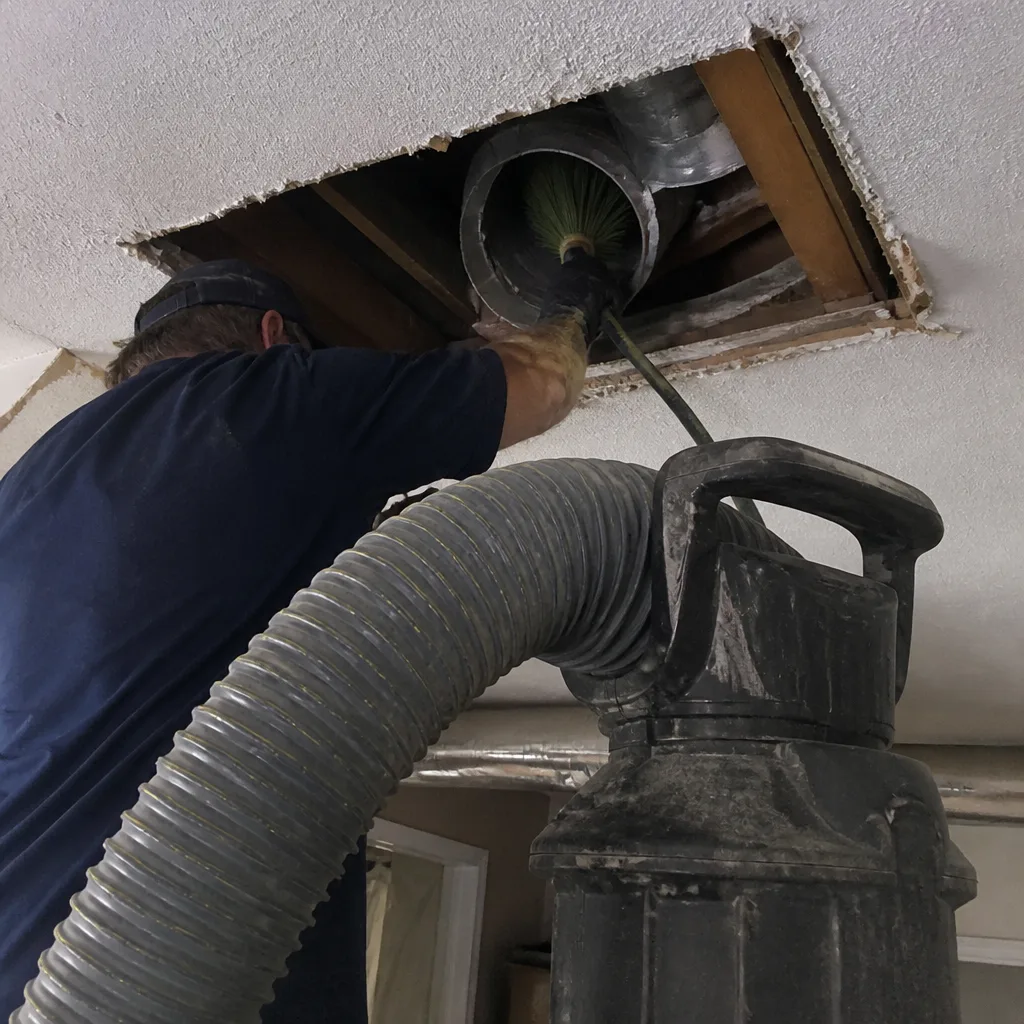 Before
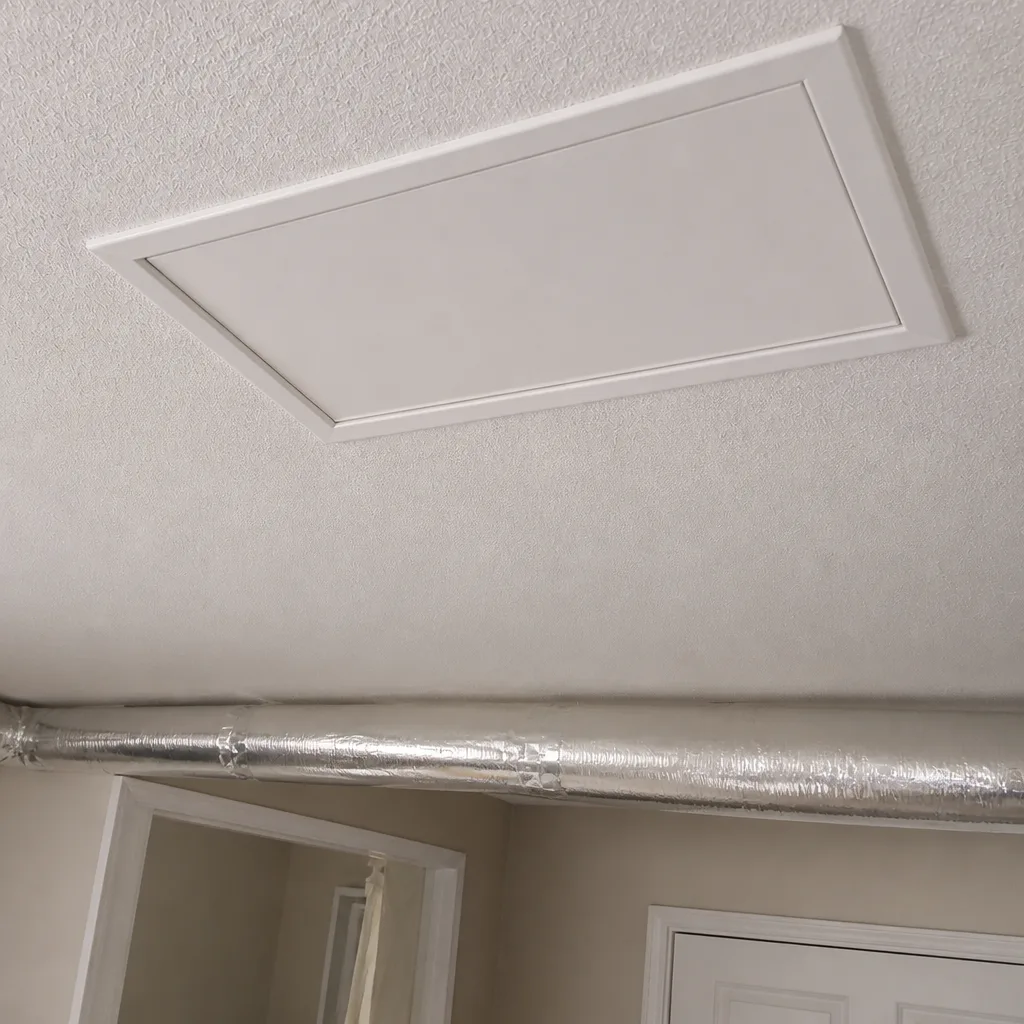 After
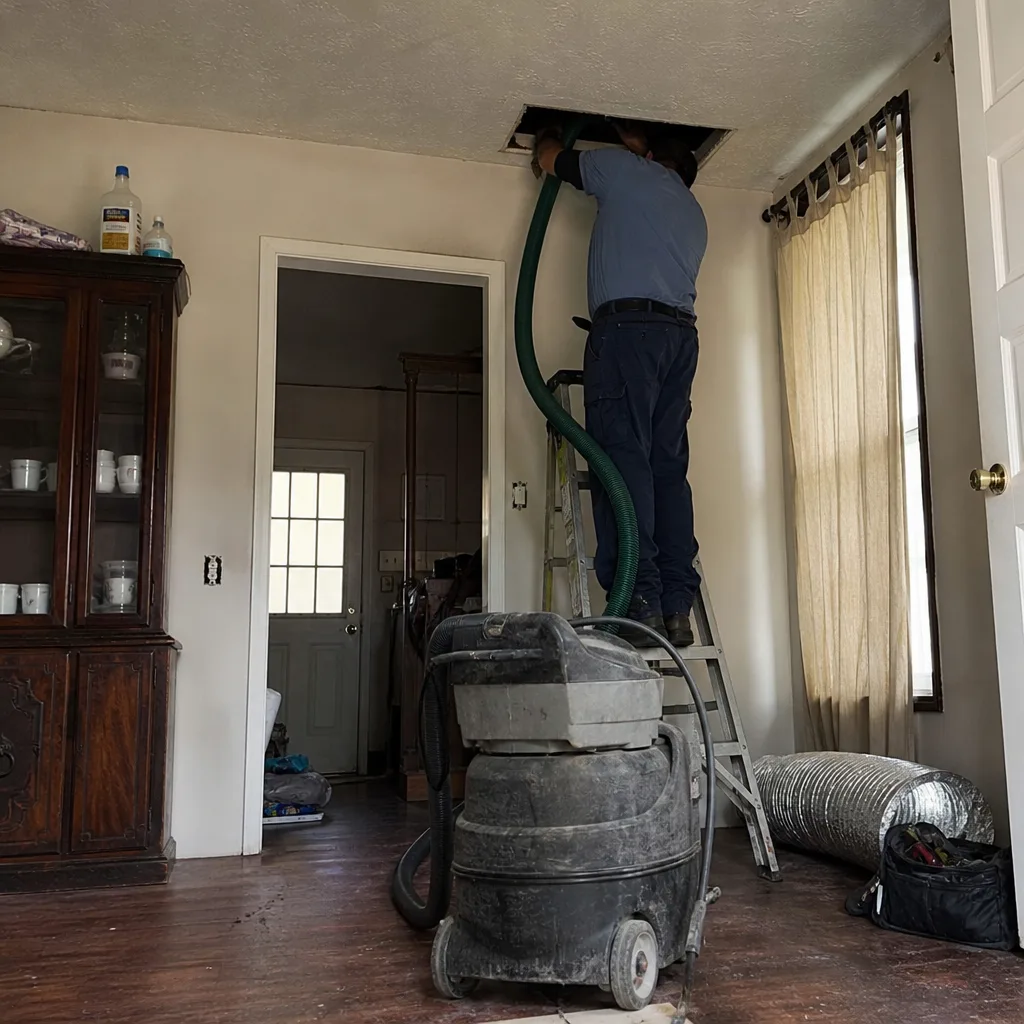 Before
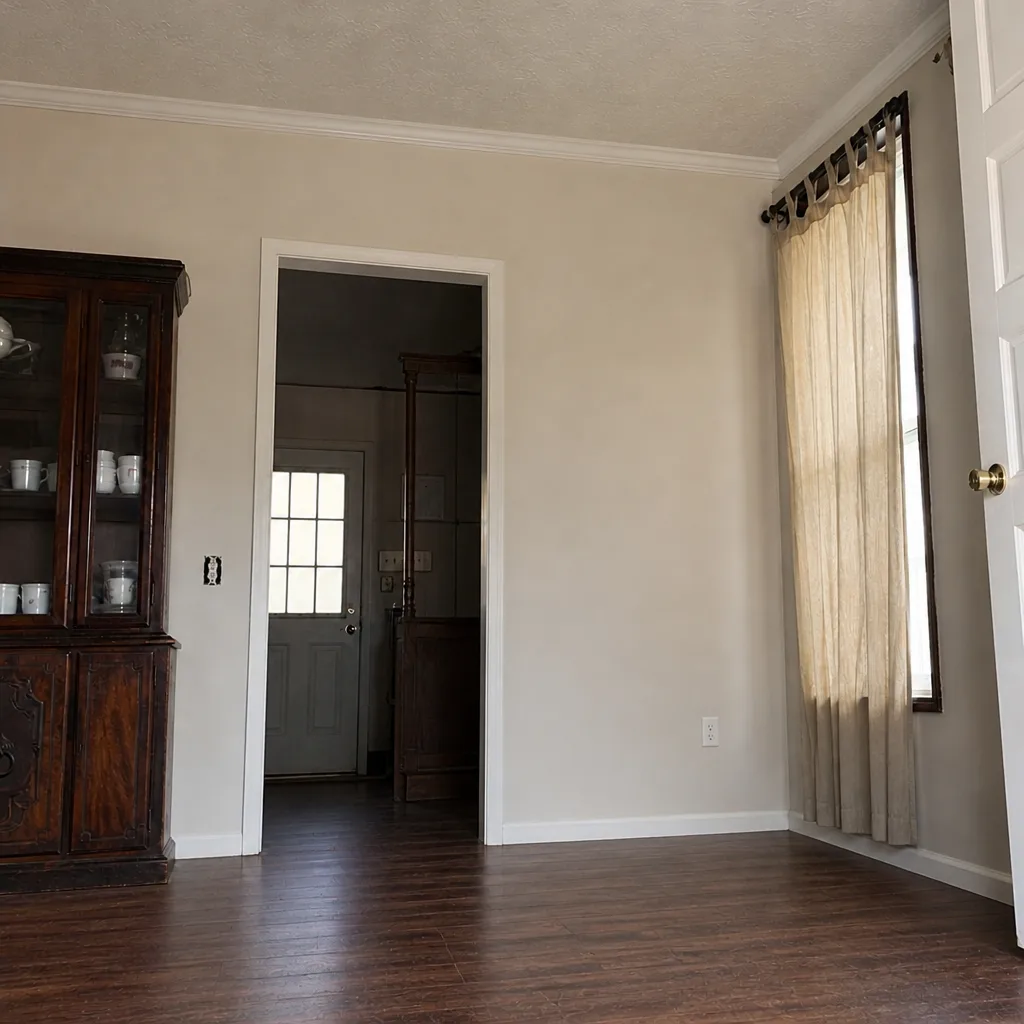 After
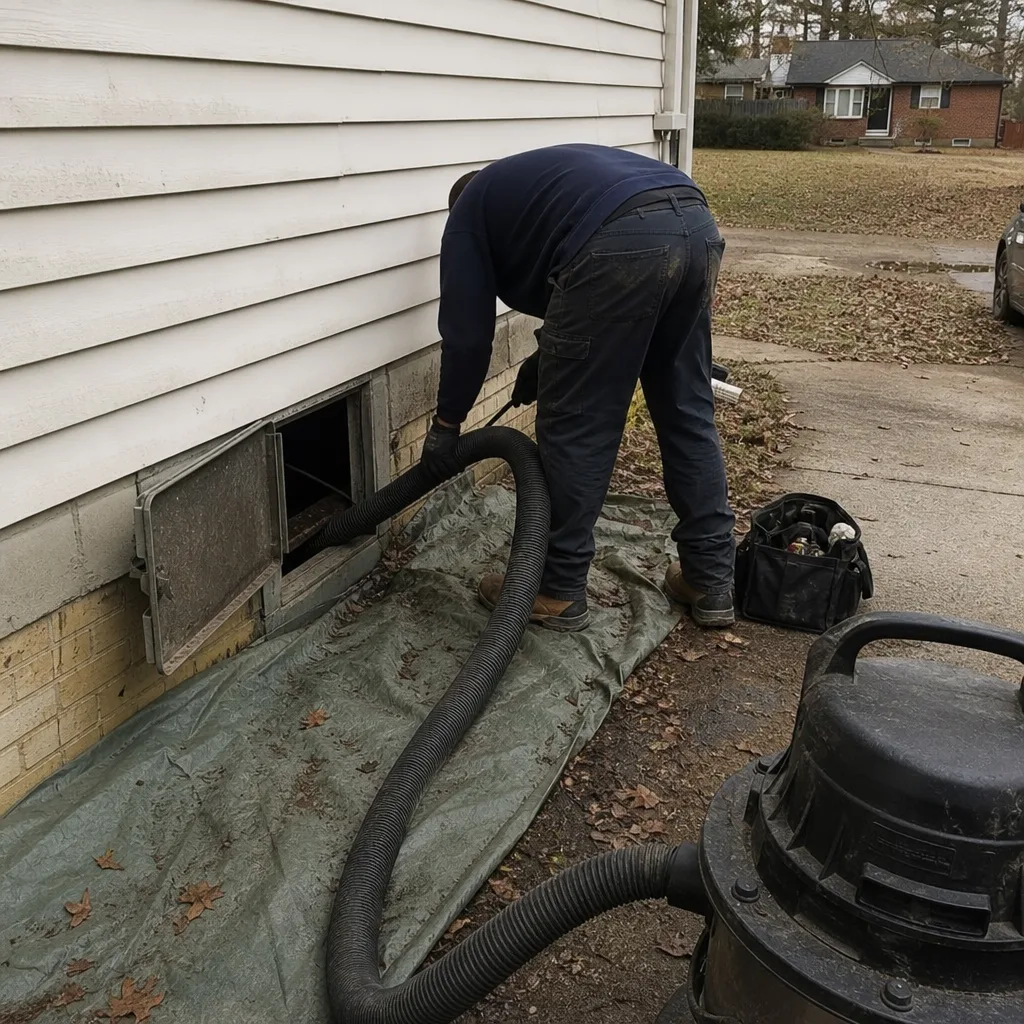 Before
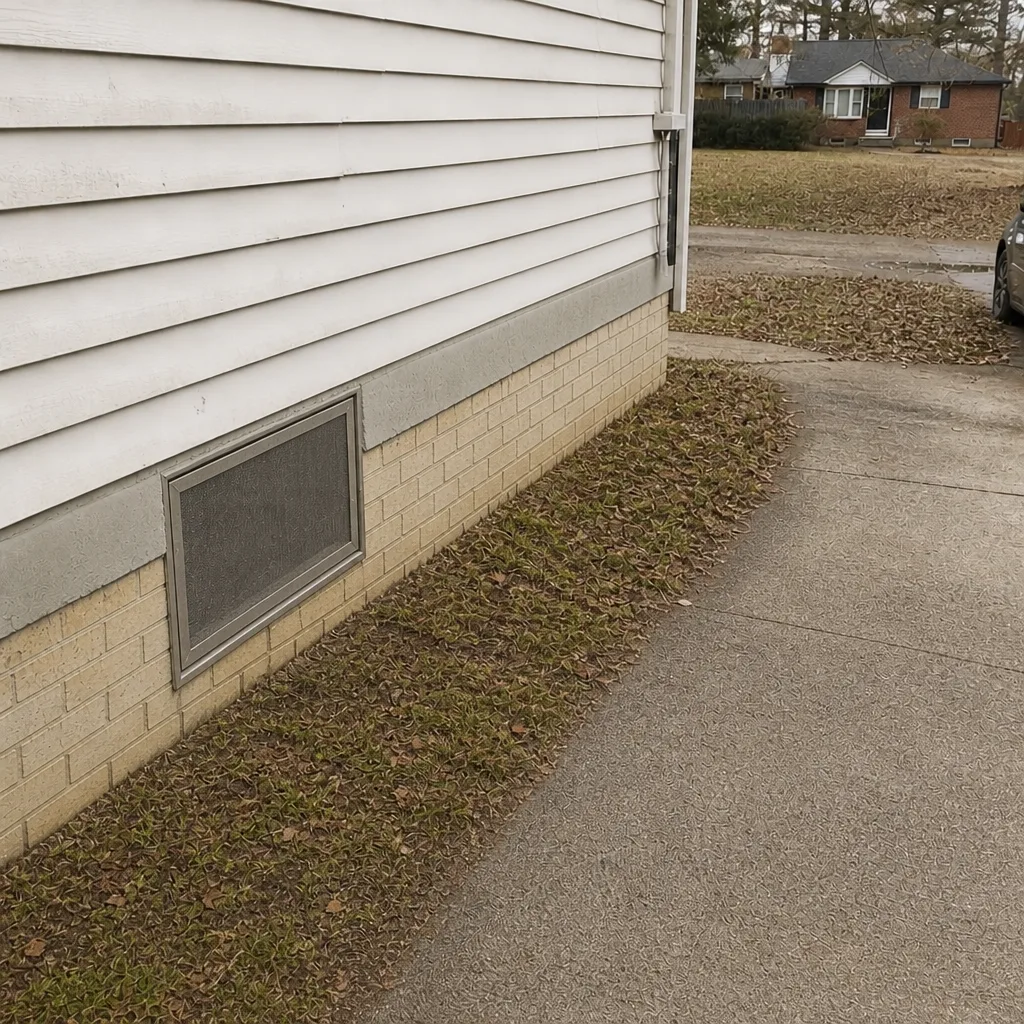 After
When to Call a Professional
Call us when any of the following shows up: a musty smell at any return grille that returns after cleaning, visible moisture or staining around a grille, a persistent hot or cold spot in the house that other rooms don’t share, a filter that loads up in days rather than weeks, or noticeable dust at the grilles shortly after a cleaning. Same goes for post-renovation cleanup (heavy drywall dust especially) and anything where you can see duct damage – a disconnected run, crushed flex duct, or torn liner.
We can also evaluate a system before any of those signs appear, especially if you’re setting up a maintenance baseline and want to know what “normal” looks like for your house specifically. Wexford Air Duct Cleaning offers free estimates in Fayetteville – call (888) 670-4029. We answer 24/7. Fast dispatch from 7am to 7pm, Sunday through Friday.
Frequently Asked Questions
A reasonable default for Fayetteville homes is every 2-3 years for typical households, with shorter intervals (often yearly) for pet-heavy homes, homes with allergy-sensitive occupants, or homes that have been through major renovations or storm damage. The right interval for your specific house depends on those factors more than on a fixed calendar. If in doubt, an inspection visit gives you a real baseline to plan around. Call (888) 670-4029 for an exact quote – estimates are free.
For a typical residential system, our estimates come in as one flat price per system rather than a per-vent charge, with the exact figure set by the written estimate before any work begins. That matters because it’s the opposite of the bait-and-switch pricing pattern in this trade – a low headline number that balloons once the technician is on site. We give you a full-system price, agreed up front, with before-and-after photos of your own ducts so you can see what was actually cleaned. Call (888) 670-4029 for a free estimate.
In our experience, the pricing gap usually comes down to equipment and scope. A “quick clean” done with consumer-grade vacuums and minimal containment looks very different from work done with professional-grade equipment – Rotobrush rotary-brush systems, Nikro HEPA-filtration vacuums, and the level of containment used in restoration and remediation work. The cheaper quote isn’t necessarily wrong; it may just be doing less than the price tag suggests. Ask what equipment is used, what parts of the system are covered, and whether any repairs (like reconnecting a disconnected run) are included or extra. Call (888) 670-4029 if you want a spec-level comparison.
Ask for before-and-after photos of your own ducts, not generic stock photos. A through-the-system record of what each section looked like before cleaning and what it looked like after is the plainest proof of what happened in your house. Pair that with a written summary of findings, so the next visit has a baseline to compare against. If a contractor can’t or won’t provide photos of your actual system, that’s worth noting. Call (888) 670-4029 to schedule a cleaning with documented before-and-after photos.
They’re separate services on separate systems, and both matter. Air duct cleaning handles the supply and return ducts that distribute conditioned air through the house. dryer vent cleaning handles the exhaust path from your dryer to the outside, which is a distinct fire risk if lint accumulates and blocks it. We offer both as stand-alone services, and we treat the dryer vent with the same systematic approach as duct work. Call (888) 670-4029 for an estimate on either.
Yes – mainly filter timing and grille checks. During the peak pine pollen season here, filters load up faster than the general 90-day guidance assumes. Check every 2-3 weeks and change as soon as the filter visibly loads. If a full professional cleaning is due around that time, spring (before peak pollen and before full cooling-season demand) is often the most useful window. Call (888) 670-4029 for an exact quote – estimates are free.
The Bottom Line
Good air duct maintenance in a Fayetteville home is a process, not a calendar. Check your return grilles monthly with a flashlight. Change filters on the seasonal rhythm the local pollen and humidity actually create, not the generic 90-day rule. Log what you find and what a professional cleaning confirmed, so the next visit has a real baseline. Don’t touch flex duct positioning, duct liner cleaning, or plenum seal work yourself – those are the jobs that go wrong in ways homeowners can’t see. When something on the checklist turns up a signal, get it evaluated before it grows into a repair job. Wexford Air Duct Cleaning uses professional-grade Rotobrush, Nikro, and Abatement Technologies equipment on every job, with one flat price per system agreed before work starts. Call (888) 670-4029 for a free estimate. We answer 24/7. Fast dispatch from 7am to 7pm, Sunday through Friday.
Written by the team at Wexford Air Duct Cleaning.