
Last updated November 16, 2026
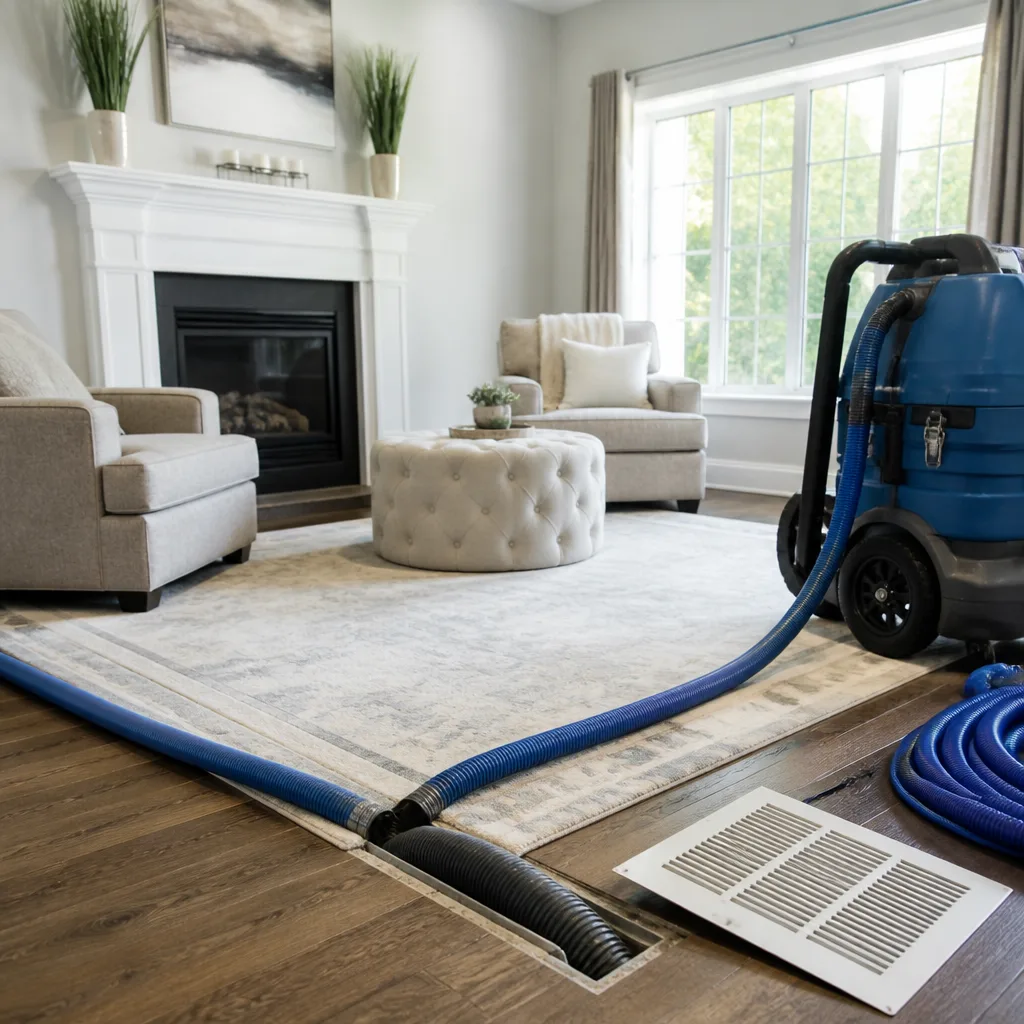 Whole-home duct cleaning
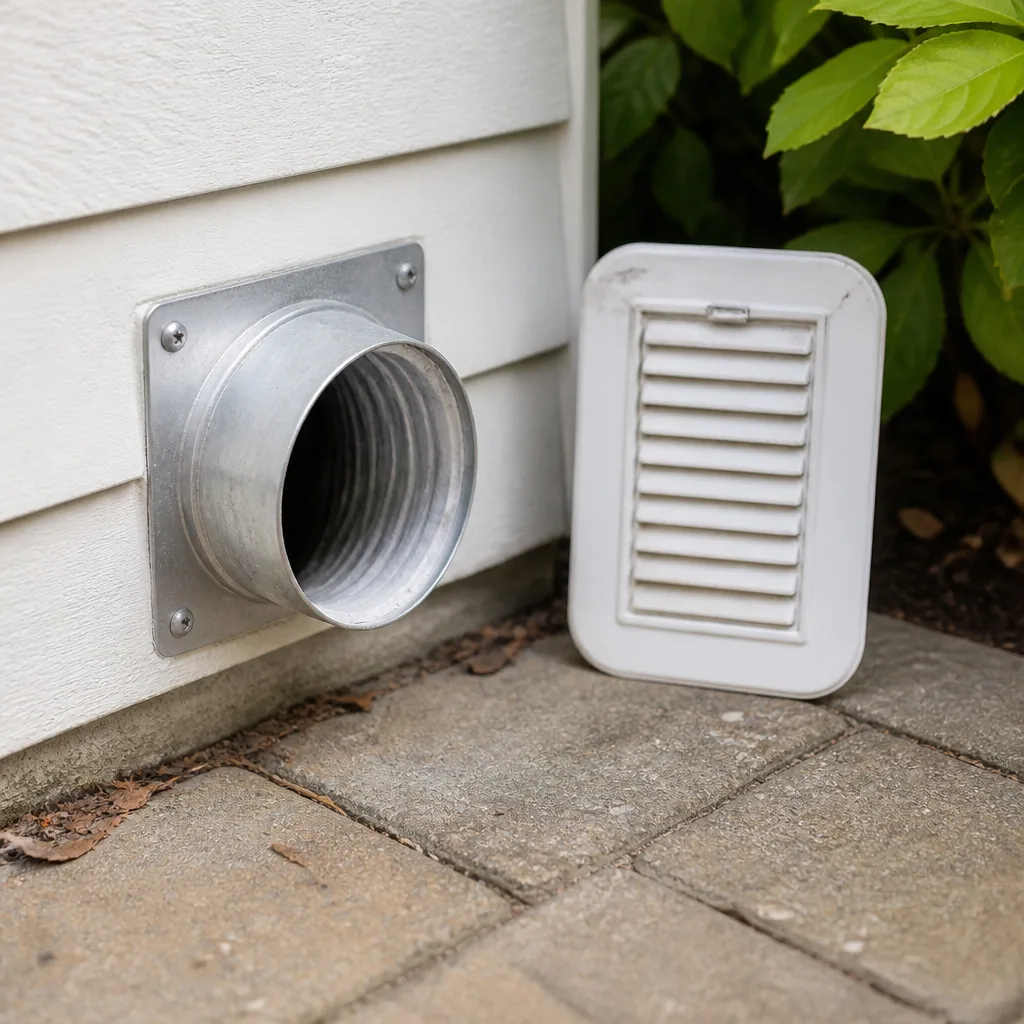 Dryer vent cleaning
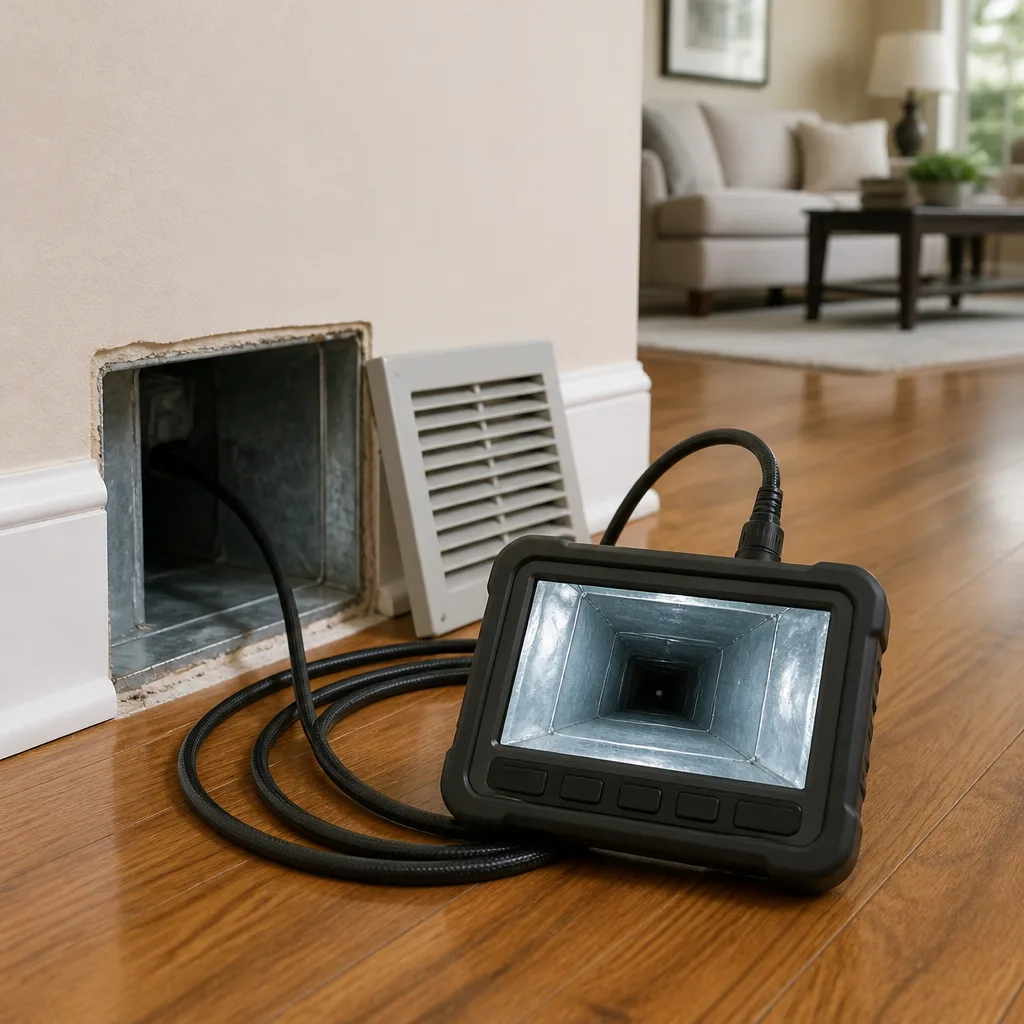 Camera inspection
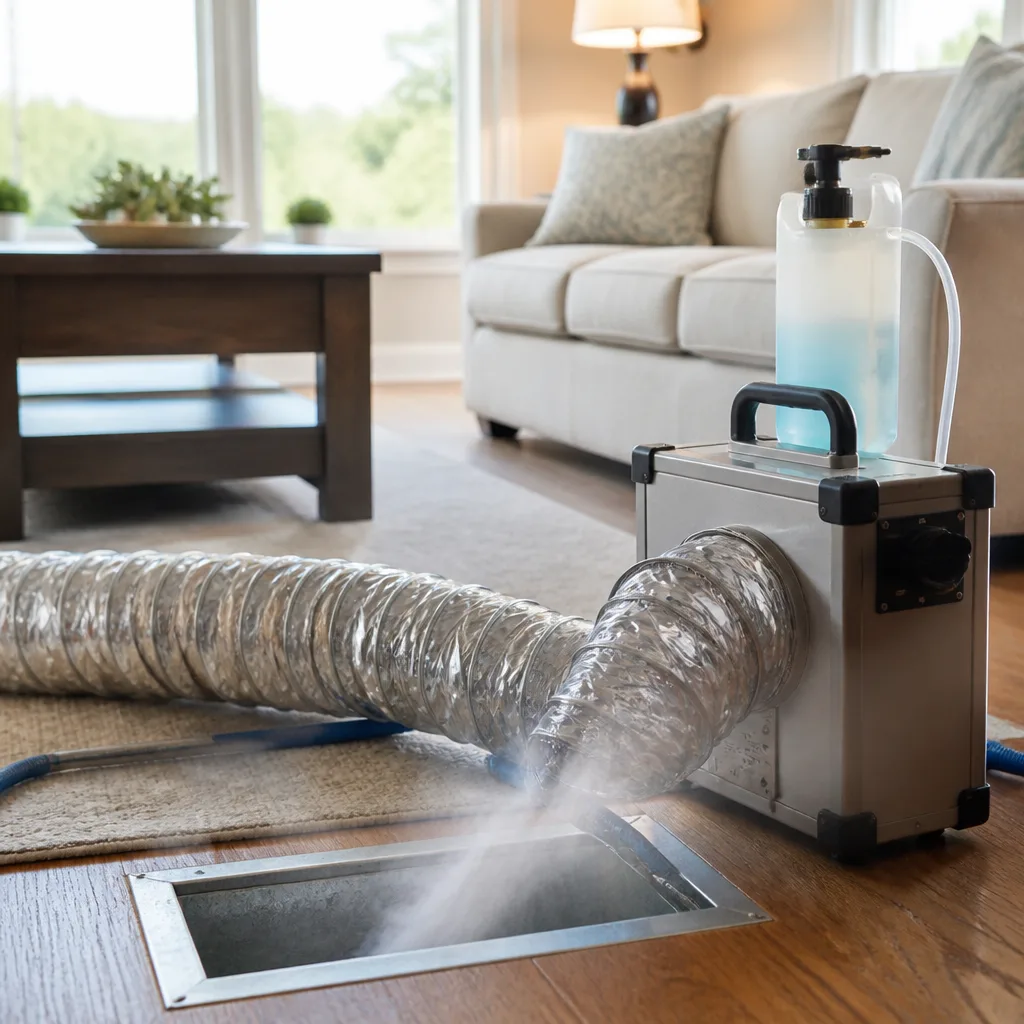 Sanitizing & deodorizing
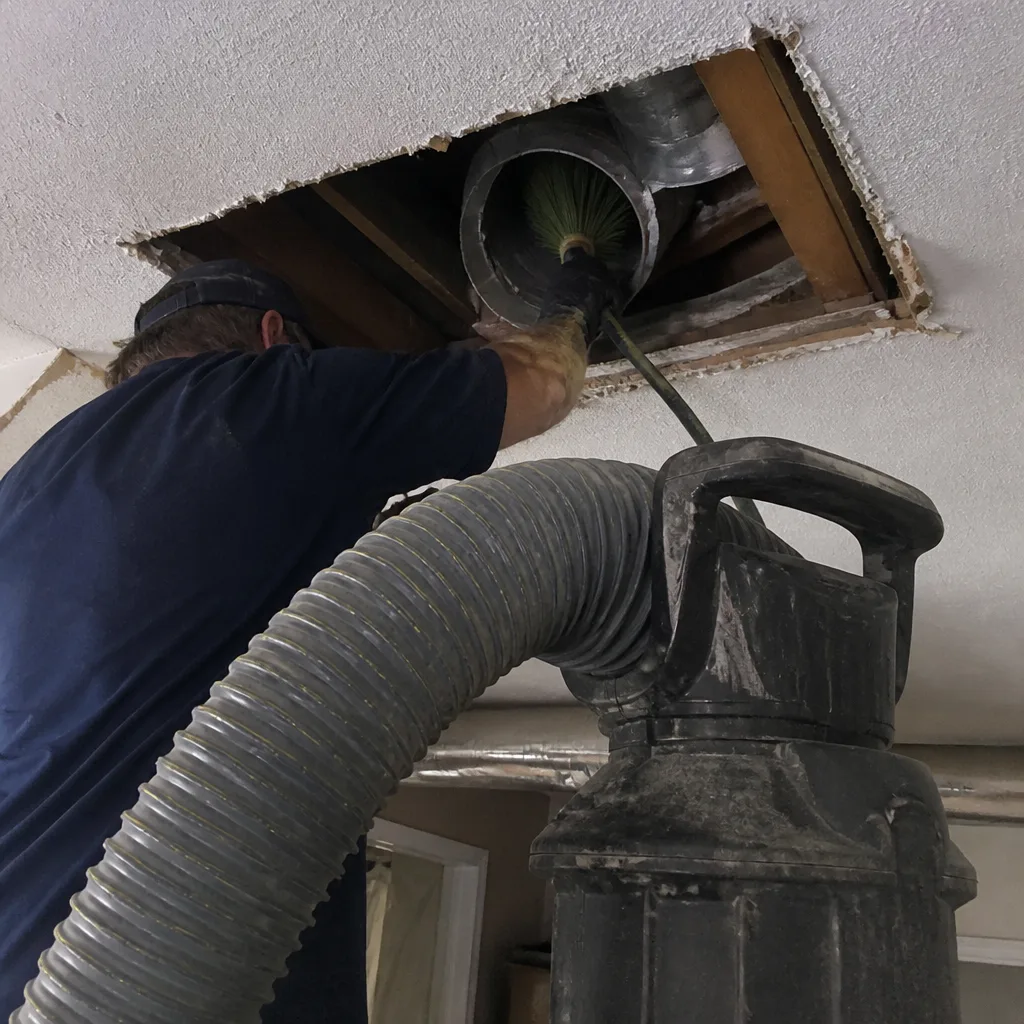
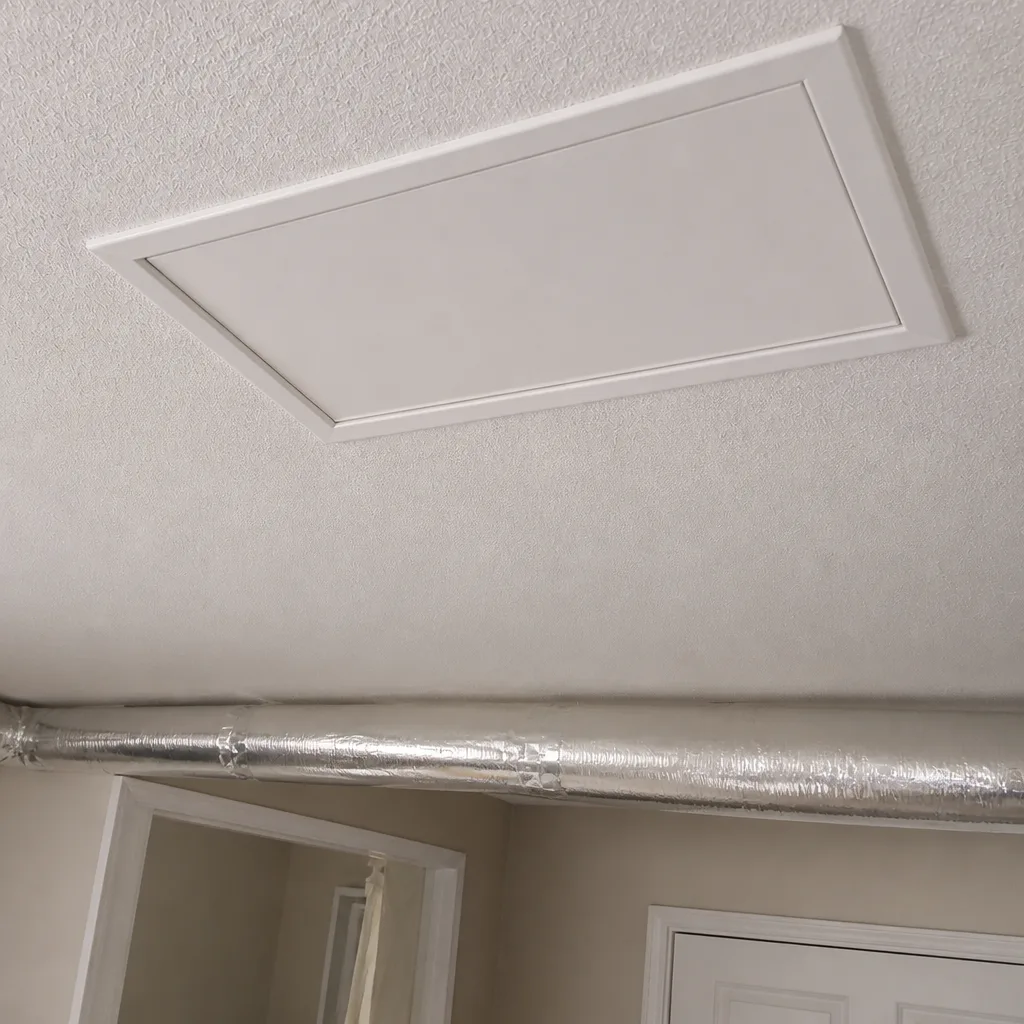
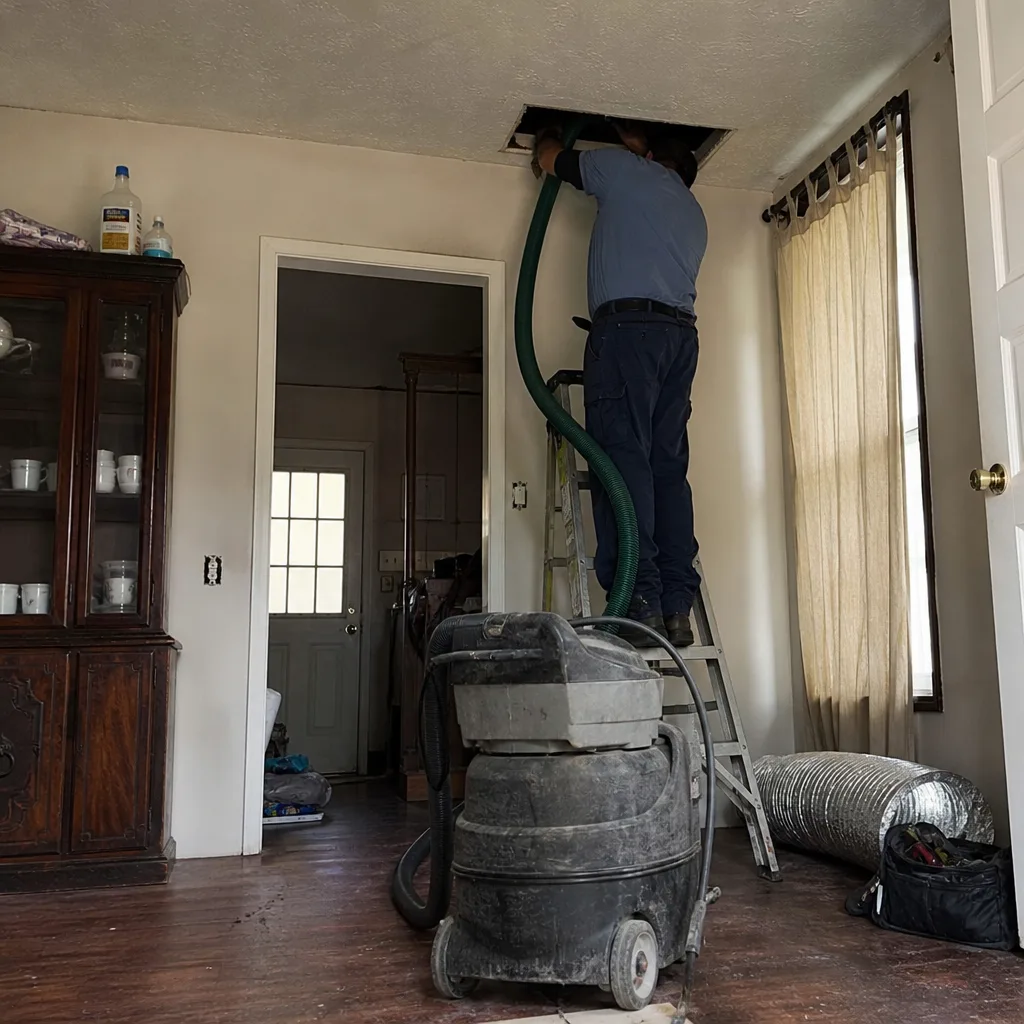
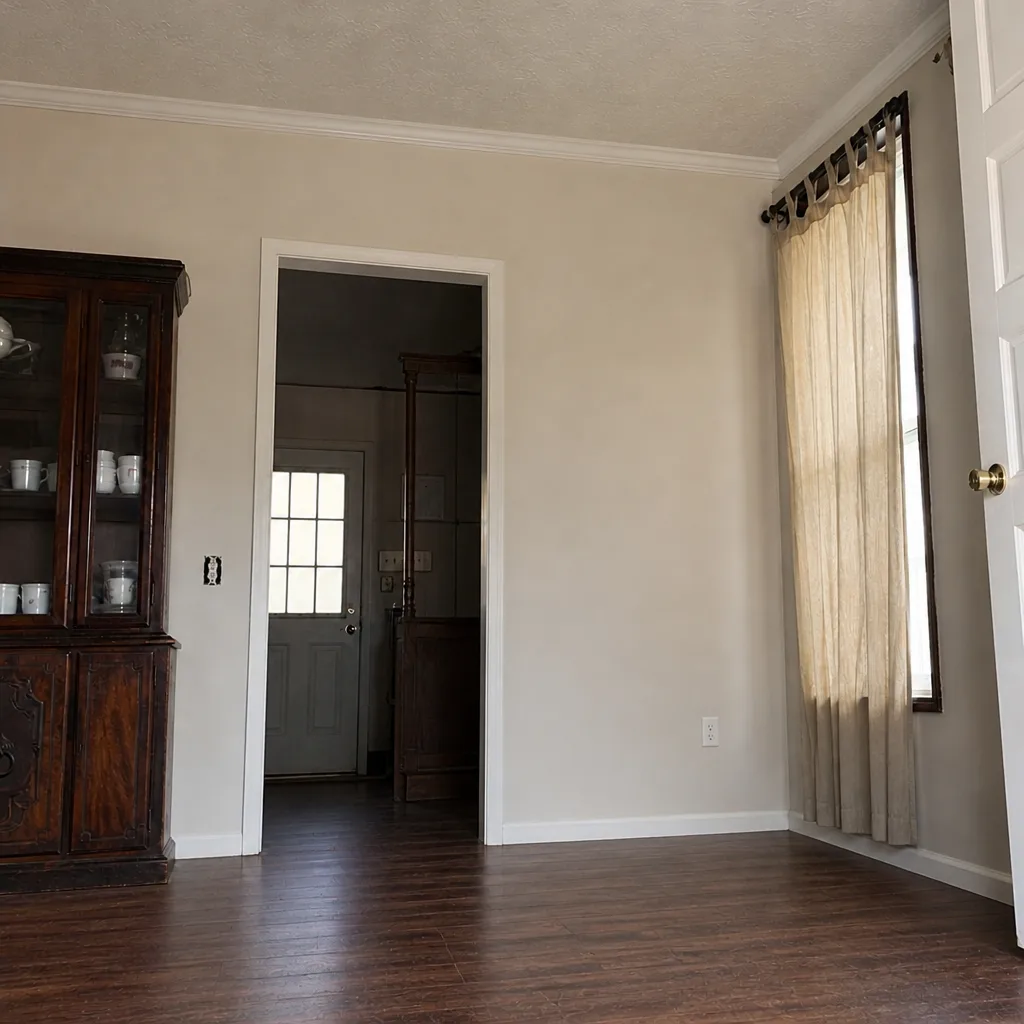
Whole-system duct and dryer vent check with before-and-after photos - you see exactly what came out of your vents
That "$99 whole-house special" is a bait ad - the real number appears once they are in your hallway, or the "clean" is a shop-vac at the register. We photograph the inside of your ducts before and after instead.
Air Duct Cleaning Maintenance Schedule: What to Do and When
Most duct cleaning advice hands you a single number – “every three to five years” – and calls it a schedule. That number was written for a generic American house: a tight envelope, a short cooling season, and lawns instead of tracked-in soil. A Fayetteville home runs its air handler far longer, breathes heavy spring and fall pollen, and pulls in the fine sandy dirt that ends up on every floor here. A real maintenance schedule isn’t one date circled on a calendar. It’s layers – filters, visual checks, and full cleanings – timed to how your system in Fayetteville actually works.
Quick Answer
Check your filter every 30 to 60 days and do a quick visual inspection of supply and return vents twice a year. Schedule a full mechanical duct cleaning every 3 to 5 years for a typical Fayetteville home, and sooner – often every 2 years – if you have pets, allergies, a recent renovation, or a home built during the 1990s and early 2000s flex-duct era. Any renovation, pest problem, HVAC replacement, or water intrusion should trigger an unscheduled cleaning regardless of the calendar.
Styles & brands we work with
- Whole-home duct cleaning
- Dryer vent cleaning
- Camera inspection
- Sanitizing & deodorizing
Table of Contents
- Why the Standard 3-5 Year Rule Doesn’t Fit Every Fayetteville Home
- The Three Layers of a Duct Maintenance Schedule
- The Month-by-Month Breakdown
- Pollen Seasons and Return-Side Inspections
- Flex Duct and Fayetteville’s 1990s-2000s Building Boom
- The Triggers That Override Any Calendar
- How to Keep a Maintenance Record That’s Actually Useful
- Common Mistakes to Avoid
- When to Call a Professional
Why the Standard 3-5 Year Rule Doesn’t Fit Every Fayetteville Home
The three-to-five-year figure comes from national guidance that assumes average use, an eight-to-ten-month cooling season is not average, and neither is the soil profile here. Around Fayetteville, homes sit on sandy, loose ground. New construction, unpaved shoulders on older roads, and yard work all track that grit indoors, where the return air pulls it toward the filter and the blower. A system that runs ten months a year moves roughly twice the air volume of one in a cooler climate, which means it collects contaminants at roughly twice the pace.
Humidity is the second variable. Long, damp cooling seasons keep evaporator coils wet and condensate pans active. A wet housing doesn’t just attract dust, it holds it, and that damp film is what makes a duct interior smell musty. In our experience, a coastal-plain house needs its return side checked more often than the national guidance suggests, not because the ducts are defective, but because the system is doing more work.
Then there’s the house itself. Fayetteville has a large stock of ranch and two-story homes built through the 1990s and early 2000s boom, plus a steady stream of relocations and renovations near Fort Bragg. Each type of house ages its ductwork differently. A schedule you copy from a national website ignores all of it.
What replaces the number is a framework. Instead of asking “when was the last cleaning,” ask three questions: is the filter still protecting the blower, is anything obviously wrong at the vents, and is there enough accumulated material to justify a full mechanical cleaning. The layers below answer those.
The Three Layers of a Duct Maintenance Schedule
Treat duct maintenance as three separate jobs running on three different clocks. A filter change is a five-minute task you do yourself. A visual vent inspection is a look-and-listen routine. A full mechanical cleaning is a professional operation with rotary brush and HEPA vacuum equipment. When homeowners collapse all three into “get the ducts cleaned,” they either wait too long or pay for cleaning when a filter would have done.
Layer one – filtration. The filter is your first line of defense. It catches what would otherwise coat the blower wheel, the evaporator coil, and the duct walls. A clogged filter doesn’t just lower efficiency, it starves the system and can let bypass dust blow straight past a dirty edge. Change or clean it every 30 to 60 days during heavy-use months, sooner in a home with pets.
Layer two – visual inspection. Twice a year, walk the house. Pull a supply register and a return grille, look for visible dust buildup on the duct wall, listen for whistling or rattle at the boots, and check that airflow feels similar at every register. A single cold room or a loud vent is often a duct problem, not a cleaning problem.
Layer three – mechanical cleaning. Every few years, a full cleaning with professional equipment. This is where an air duct cleaning job earns its cost: the right tools agitate the duct interior while a HEPA vacuum under negative pressure captures what’s loosened. Standard shop vacuums only recirculate fine particulate back into the room. On our jobs we use a Rotobrush rotary-brush system paired with Nikro HEPA vacuum equipment precisely because it captures what a portable vacuum misses.
Run all three layers, and the “when should I clean” question answers itself. The filter tells you how dirty the air is. The visual check tells you how that dirt is landing. The full cleaning handles what accumulates beyond the reach of either.
The Month-by-Month Breakdown
A generic schedule repeats one interval twelve times. A practical one separates tasks so you’re never doing a full cleaning when a filter check will do. Here’s how the year breaks down for a Fayetteville home. Adjust for your household, but keep the three task types distinct.
- January. Post-holiday filter check. Short heating season here still means the system runs, and a filter loaded with fall debris needs replacing before spring cooling begins.
- February. Inspect supply registers in the rooms you use most. Note any cold room or weak-air vent to raise with your HVAC tech.
- March. Spring pollen arrives. Change the filter and inspect the return grille for visible buildup. This is the start of the heavy collection period on the return side.
- April. Do the spring return-side inspection described below. If a return register shows dark buildup or musty smell, book a cleaning rather than waiting.
- May. Cooling season starts in earnest. Confirm the condensate drain is clear and the condensate pan isn’t holding standing water – wet housing plus dust is where musty duct smell begins.
- June, July, August. Filter checks every 30 days through the heavy cooling stretch. Humidity is at its peak, and the system is working hardest.
- September. Second pollen peak. Repeat the return-side inspection. If it’s been 2 to 3 years since a full cleaning, plan one before winter.
- October. Book the full mechanical cleaning if due. Waiting until late fall means it’s done before the system slows down.
- November. Late-fall filter change and a walk of the house. Check duct connections at the furnace for sagging or disconnected flex runs.
- December. If you bought or renovated the home this year, file the cleaning record and set next year’s reminder dates.
You’ll notice a full cleaning appears once, not twelve times. That’s the point. The rest of the schedule is inspection and filtration, and the two together tell you whether that cleaning is due.
Pollen Seasons and Return-Side Inspections
The return side of a duct system is where most of the real story lives. Supply ducts deliver filtered air; return ducts pull unfiltered room air back toward the blower, and everything airborne in your home travels through that path. In Fayetteville, pine pollen coats every surface in spring, and the fall peak brings the lighter, finer pollen that stays airborne longer and ends up in the return grilles first.
That’s why return-side inspections should be timed to the two pollen peaks, not to a single annual date. Here’s what to look for during each inspection:
- Visible dust film on the return boot and the duct interior just behind the grille – a light film is normal, a thick grey coat is not.
- Odor. A faint musty smell at the return often means damp dust on the coil or duct wall, not just accumulated debris.
- Grille loading. A return grille that clogs quickly with fuzz and pollen means the system is pulling a lot of airborne material, which shortens the cleaning interval.
- Airflow noise. Whistling or a scraping sound at the grille can indicate a collapsed or partially blocked flex run.
- Filter fit. Check the filter sits flush. Pollen that bypasses the filter goes straight into the ducts.
Doing these checks in April and September lines up with when Fayetteville’s air is at its dirtiest. If both inspections come back clean, you can push the full cleaning further out. If they come back coated, you’ve found your trigger early.
Flex Duct and Fayetteville’s 1990s-2000s Building Boom
Fayetteville’s rapid growth through the 1990s and early 2000s filled in a lot of the county with homes built fast and efficiently. Many of those houses use flexible duct – the corrugated, silver-jacketed product that’s cheaper and faster to install than rigid metal. Flex duct works, but it has a maintenance wrinkle most homeowners don’t know about.
The corrugated interior creates ridges and grooves along the duct wall. Those ridges trap dust and debris that would slide right out of smooth rigid duct. The result is a flex system that accumulates material faster, and a schedule built around rigid ducting will underestimate it. Flex runs are also more prone to sagging, kinking, and partial disconnection at the collars – three things that reduce airflow and quietly shorten the life of your blower.
If your Fayetteville home came out of that building boom, expect to clean closer to every 2 to 3 years rather than the outer end of the 3-5 year range, and get the duct connections checked, not just the walls.
This is also why air duct repair capability matters in the same visit as cleaning. There’s no point cleaning a flex run that’s disconnected, sagging, or torn at a fitting – it’ll collect the same debris again quickly. When we clean, we look for compromised runs and fittings so the ductwork is fixed, not just wiped, and that’s a service worth having done by the same team that runs the cleaning equipment.
The Triggers That Override Any Calendar
Any schedule is a default. Certain events so thoroughly change the state of your ductwork that waiting for the next interval is the wrong call. When any of these happen, move the cleaning up:
- Recent renovation. Drywall dust is fine, alkaline, and it coats every surface. It’s also hard on filter media and can clog the coil. A post-renovation cleaning isn’t optional for a system that ran while the walls came down.
- Pest intrusion. Rodents, insects, and even birds can get into duct runs. Droppings and nesting material warrant a cleaning and a thorough inspection for entry points.
- HVAC replacement or major repair. A new air handler is a chance to start clean. Cleaning before or alongside a system change protects the new equipment.
- Water damage or leak. Damp duct interiors support microbial growth, and cleaning alone won’t fix an active moisture source. This is where containment-level equipment matters – Abatement Technologies equipment in a professional’s setup is designed around exactly this kind of sensitive air-quality situation.
- New pet or allergy diagnosis. A new furry family member or a new allergy diagnosis changes the dust load fast. Ratchet the schedule tighter rather than waiting.
- A move-in. The previous owner’s filter habits are unknown. A cleaning early in your ownership gives you a known baseline.
Notice these triggers are events, not dates. That’s the deeper truth of a maintenance schedule: half the value is knowing when to abandon the calendar on purpose.
How to Keep a Maintenance Record That’s Actually Useful
Most homeowners keep no record at all, which means every service visit starts from zero. A useful log is short and takes about thirty seconds after each task. Do it in a notes app, a spreadsheet, or a notebook on the fridge. The point is to document what was done, what was found, and what to watch next.
Log each entry with these five fields:
- Date. When the task happened – date only, not a time.
- Task. Filter change, visual inspection, full cleaning, or repair. Be specific about which layer of the schedule.
- What was found. “Return grille heavily loaded,” “one supply vent low airflow,” “flex run disconnected at furnace.” Anything a technician would want to know next time.
- Condition. Clean, light dust, moderate buildup, heavy buildup. A simple rating makes the trend visible at a glance.
- Next action. The event or interval that should prompt the next step – “check again after spring pollen,” “book full cleaning if return stays dirty.”
Two years of entries tell you what no calendar can: whether your Fayetteville home is collecting faster than average, whether one side of the system is doing most of the work, and whether a filter you chose is actually holding up. That’s how you tune the schedule instead of guessing at it. And when a technician walks in and you can hand over a record, the conversation gets specific fast.
Common Mistakes to Avoid
- Treating the filter like an annual task. A filter is a 30-to-60-day item in Fayetteville’s long cooling season. Waiting a full year lets the blower and coil take up the slack.
- Skipping the return-side inspection. The return is where dirt accumulates first, so it’s the best early-warning signal. Many homeowners never pull a return grille.
- Assuming a national 3-5 year number fits this house. It was written for a generic climate and a generic housing stock, and it ignores a ten-month seasonal runtime, high humidity, and sandy soil.
- Cleaning around a broken duct. A disconnected or kinked flex run will just collect the same debris again. Fix the ductwork first, then clean.
- Letting a renovation go unaddressed. Drywall dust is fine and aggressive on a system. A post-renovation cleaning is one of the clearest reasons to override the calendar.
- Using a consumer shop vacuum on ductwork. It recirculates the fine particulate you’re trying to remove. Professional HEPA capture under negative pressure exists for a reason.
- Keeping no record. Without a log, every decision is a guess. Five fields per entry remove the guesswork.
When to Call a Professional
Some duct conditions need eyes and equipment a homeowner can’t provide. Call us when you find persistent musty odor at a supply or return vent, visible heavy buildup behind a return grille, a duct run you suspect is disconnected or sagging, or a home you’ve just renovated. Call after a pest intrusion, water event, or system replacement, and call when it’s simply been 2 to 3 years since the last full cleaning and you want a baseline. If you’re weighing duct cleaning against the filter and inspection work you can do yourself, our guide to the schedule above explains the split.
Wexford Air Duct Cleaning offers free estimates in Fayetteville and can advise on filtration upgrades from Honeywell and Aprilaire in the same walkthrough. You can reach us at (888) 670-4029. We answer 24/7. Fast dispatch from 7am to 7pm, Sunday through Friday. If you also want your dryer vent cleaning handled as a scheduled job, we treat it with the same systematic approach.
See the difference
 Before
 After
 Before
 After
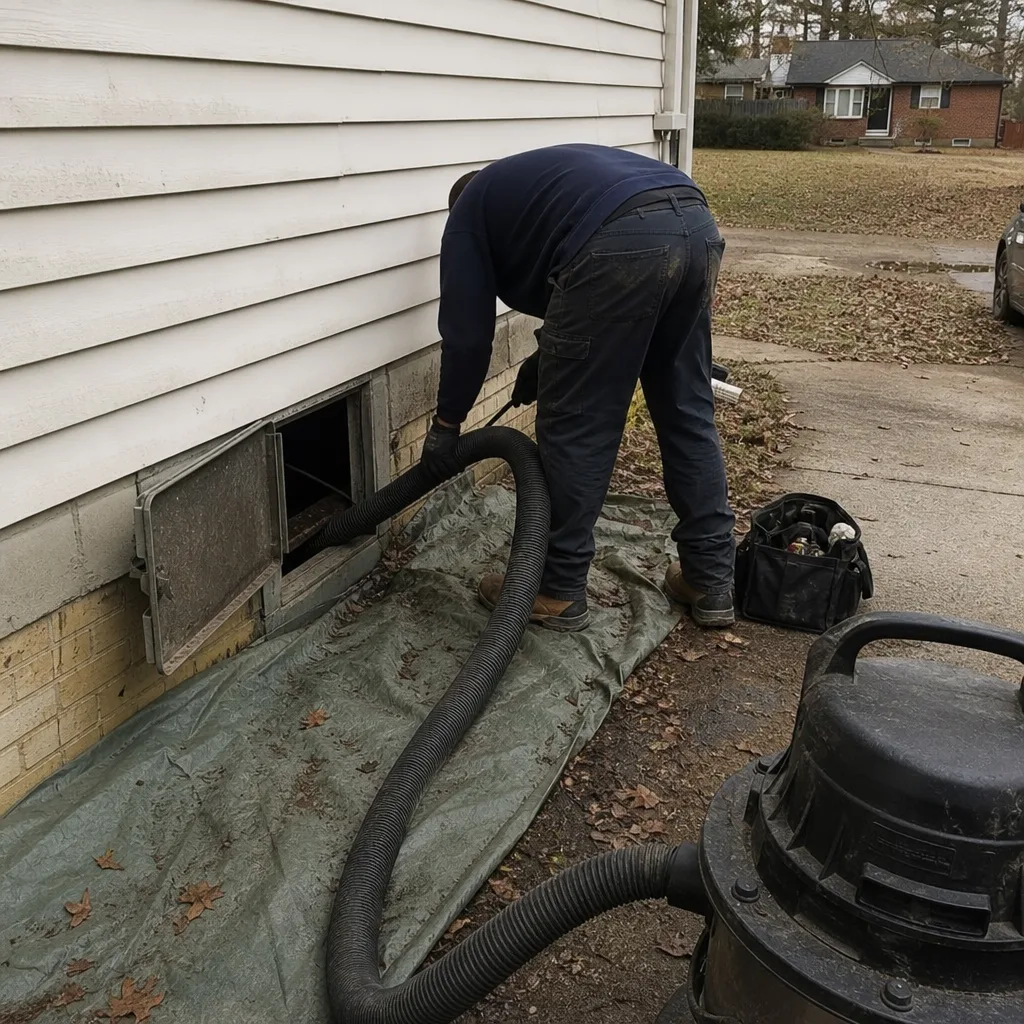 Before
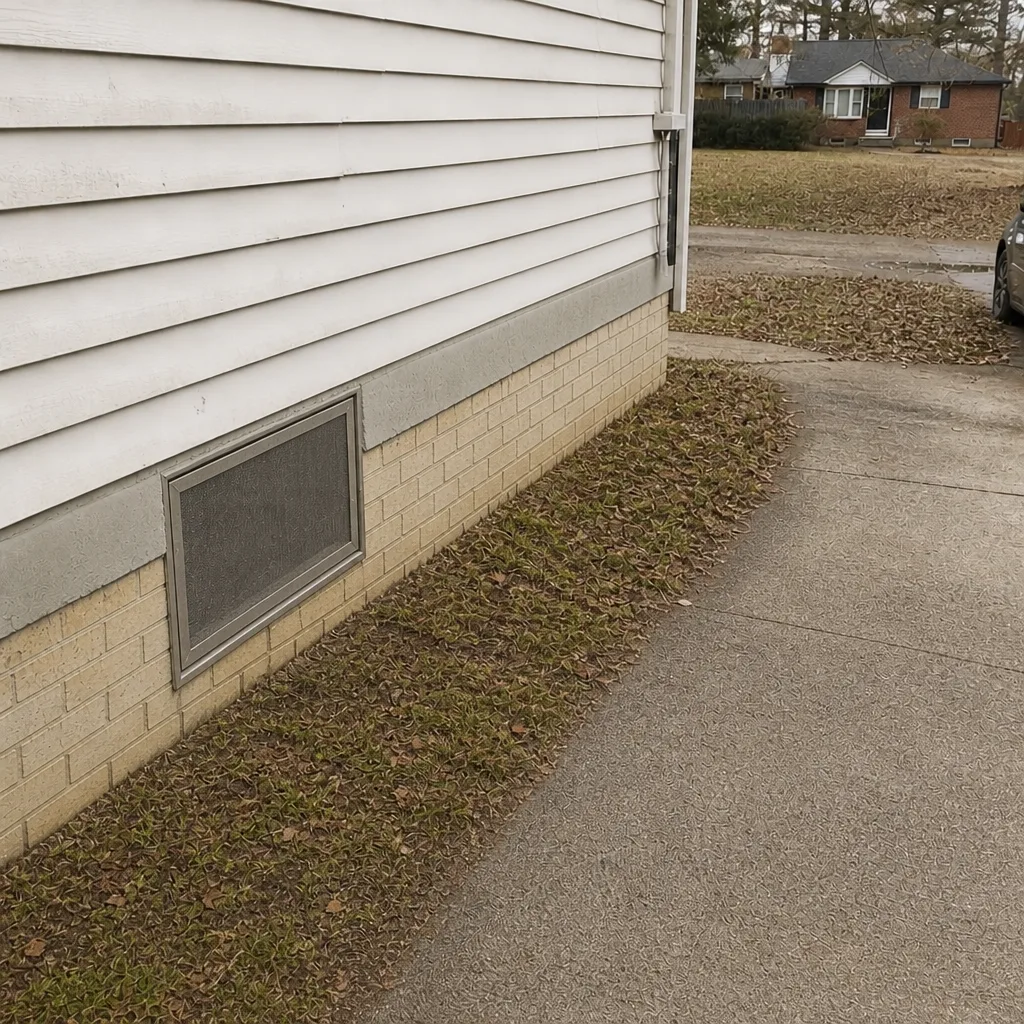 After
Frequently Asked Questions
For a typical Fayetteville home, every 3 to 5 years for a full mechanical cleaning, with filter checks every 30 to 60 days and visual vent inspections twice a year. Homes with pets, allergies, flex duct from the 1990s-2000s building boom, or that sit on sandy soil often need the full cleaning every 2 to 3 years. Call (888) 670-4029 for an exact quote – estimates are free.
Yes, and a post-renovation cleaning is one of the strongest reasons to move the schedule up. Drywall dust is fine and alkaline, it coats every surface inside the system, and it’s hard on filter media and the coil. Cleaning shortly after the work wraps protects the equipment from a load it shouldn’t carry.
Start with the filter and the visual inspection. If the return grille and duct interior behind it show only light dust and airflow is even at every vent, a filter change may be all you need for now. If the return shows heavy buildup, odor, or one room has weak airflow, book a cleaning. Call (888) 670-4029 and we’ll talk it through.
Ask for before-and-after photos of your own ductwork – that’s the standard we hold ourselves to, and it’s also what separates a real cleaning from a vacuum-and-hose visit. Professional equipment matters too: a rotary-brush system with HEPA vacuum capture leaves visible results you can see in a photo.
Usually yes. Flex duct has a corrugated interior with ridges that trap dust, and those runs accumulate material faster than smooth rigid metal. Plan on the tighter end of the range, around every 2 to 3 years, and get the connections and fittings checked, not just the duct walls.
Once a year for most households, and more often for large families or anyone who dries a lot of loads. A dryer vent is a documented fire risk, and lint accumulation is the reason. We treat it as a dedicated service rather than an afterthought. Call (888) 670-4029 for a free estimate on a dryer vent cleaning for your Fayetteville home.
The Bottom Line
A duct maintenance schedule isn’t a single cleaning interval on repeat. It’s three layers – filter checks every 30 to 60 days, visual vent inspections twice a year timed to Fayetteville’s spring and fall pollen peaks, and a full mechanical cleaning every 3 to 5 years, tighter for flex-duct homes from the 1990s-2000s boom. Any renovation, pest intrusion, water event, or system replacement should override the calendar and trigger a cleaning. Keep a short record of what was done and what was found, and the schedule tunes itself to your house. When it’s time for the professional layer, call (888) 670-4029.
That’s also why we lean on the same professional-grade tools restoration and remediation contractors trust – Rotobrush, Nikro, and Abatement Technologies – rather than consumer-grade vacuums. We clean, repair, and protect, and we do it with the equipment that job actually requires. If you’re planning a full-air-system reset, start with our Wexford Air Duct Cleaning team and get a free written estimate.
Written by the team at Wexford Air Duct Cleaning.