
Last updated November 16, 2026
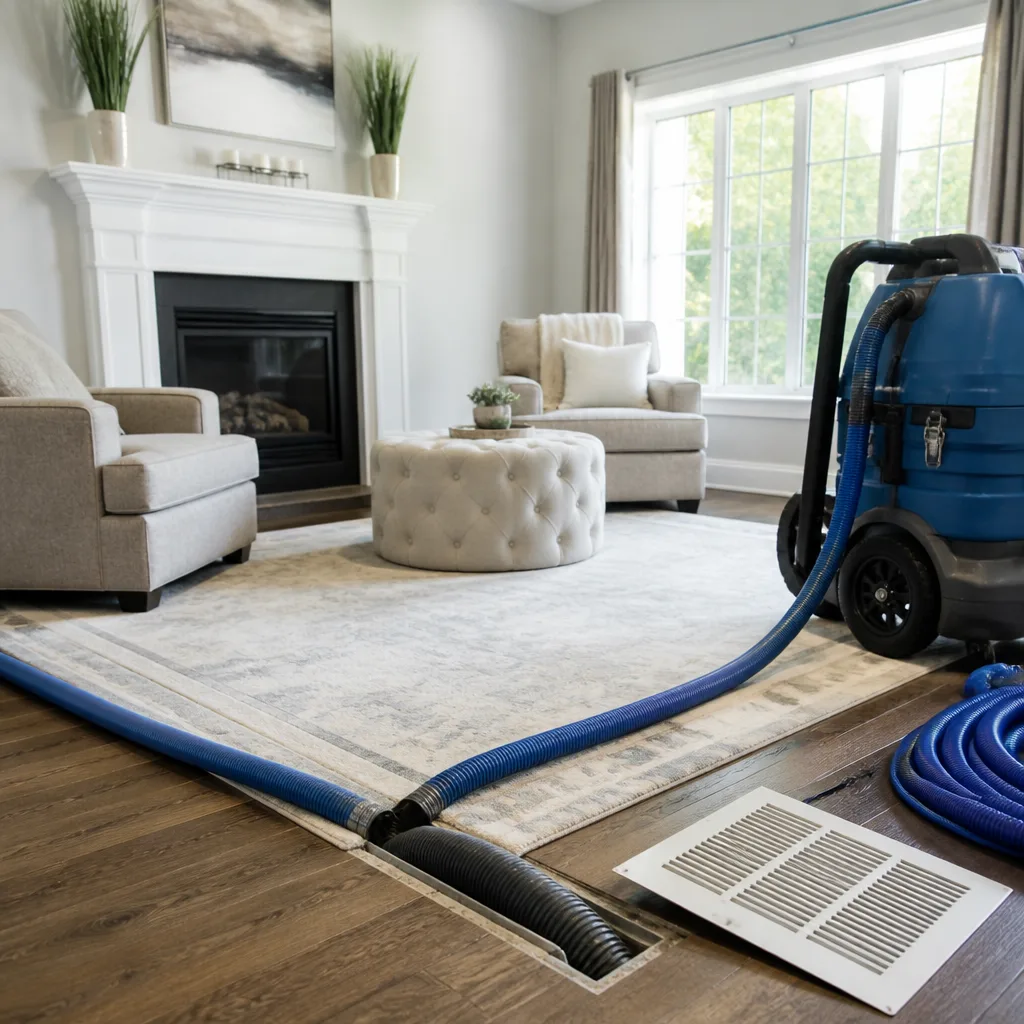 Whole-home duct cleaning
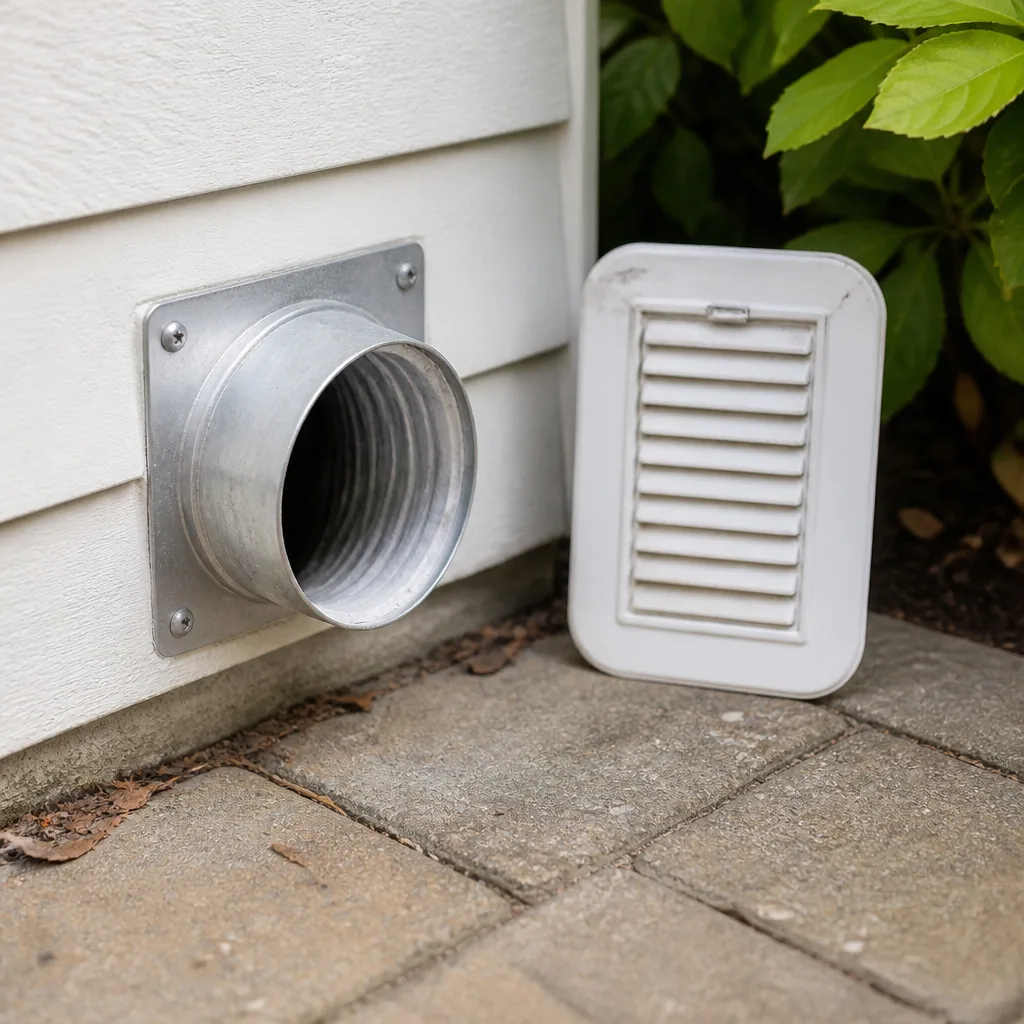 Dryer vent cleaning
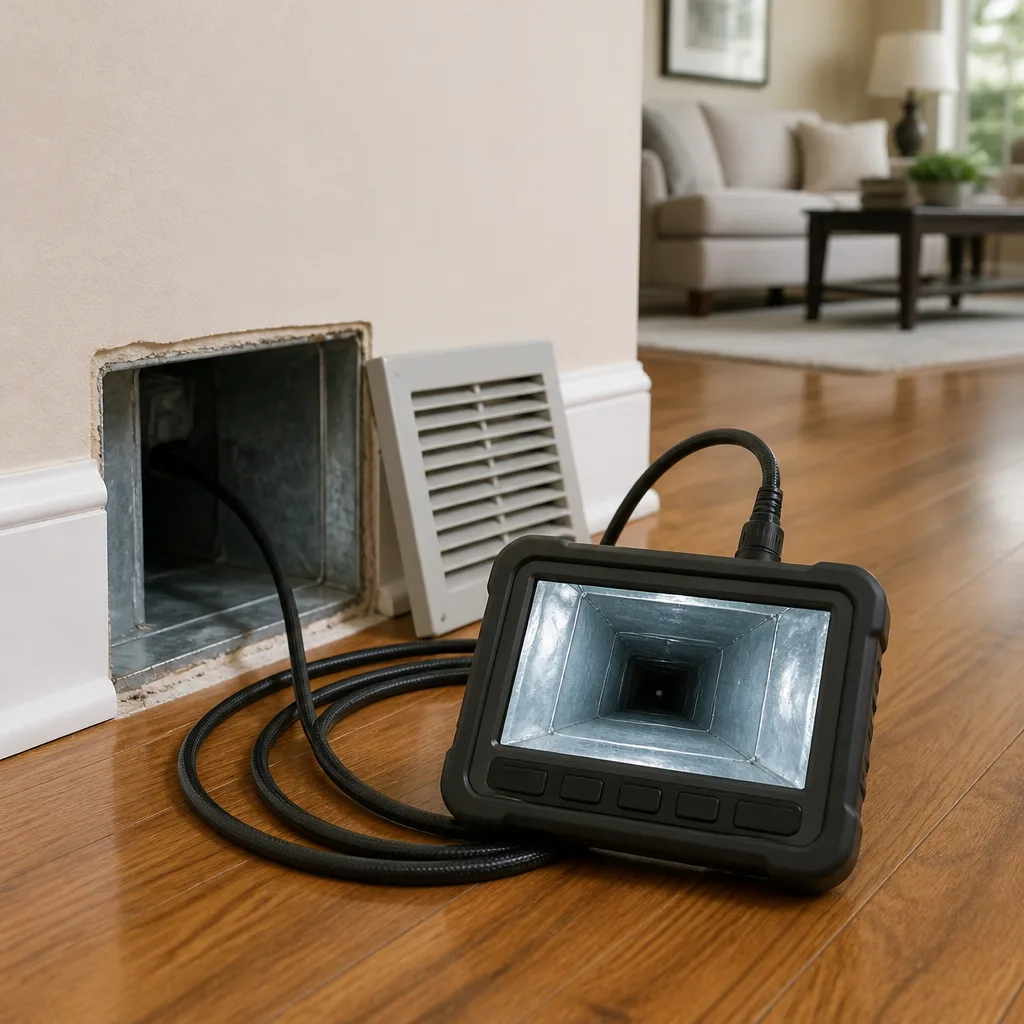 Camera inspection
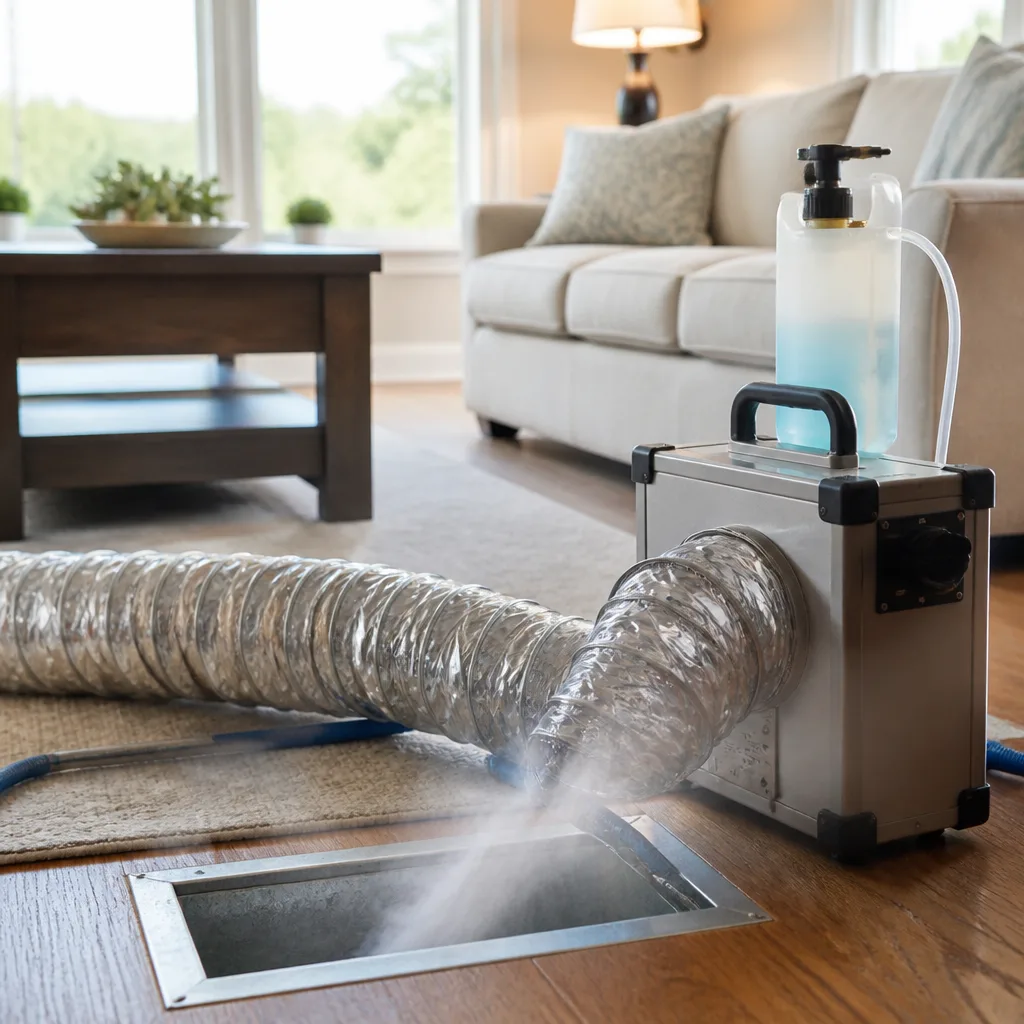 Sanitizing & deodorizing
Whole-system duct and dryer vent check with before-and-after photos - you see exactly what came out of your vents
That "$99 whole-house special" is a bait ad - the real number appears once they are in your hallway, or the "clean" is a shop-vac at the register. We photograph the inside of your ducts before and after instead.
The Complete Guide to Air Duct Cleaning in Fayetteville
Most duct cleaning guides are written for a hypothetical home in a hypothetical climate. Fayetteville homes don’t live in that guide. Homes here deal with fine concrete dust from slab construction, sand tracked in from surrounding counties and pulled straight into floor-level returns, and a mold-friendly humidity season that starts in April and lingers into fall. None of that shows up in advice written for Minneapolis. This guide maps the full job, from inspection through post-cleaning verification, against the conditions we actually work in around Fayetteville, so you know what a real cleaning involves and how to tell one from a vacuum and a hose.
Quick Answer
Air duct cleaning in Fayetteville means using professional-grade equipment and negative pressure to remove accumulated dust, construction debris and biological growth from your entire duct system, then verifying the result before the crew leaves. A proper job starts with an inspection, includes agitation of every duct run with a rotary brush system, captures debris with HEPA filtration rather than recirculating it, and ends with before-and-after photos of your own ducts. Whole-system cleaning in the Fayetteville market typically runs in a range that depends on square footage, number of returns and system condition, and the written estimate sets the final price.
Styles & brands we work with
- Whole-home duct cleaning
- Dryer vent cleaning
- Camera inspection
- Sanitizing & deodorizing
Table of Contents
- Why Fayetteville Homes Get Dirty Ducts Differently
- Slab-on-Grade Construction and Floor-Level Returns
- What a Proper Negative-Pressure Setup Looks Like
- Rotary Brush Agitation Versus a Simple Vacuum Pull
- Duct Materials Common in Cumberland County Construction
- How to Verify the Job Was Actually Done
- The Fort Liberty Rental Corridor and Cleaning Intervals
- Duct Repair and Dryer Vent Cleaning
- What Air Duct Cleaning Costs in Fayetteville
Why Fayetteville Homes Get Dirty Ducts Differently
Duct contamination follows the building. In Fayetteville, the building is shaped by clay soil, slab foundations, sandy air from the counties around us and long humid summers, and each of those leaves a signature inside the duct system. A guide written for a cold-climate basement home misses all of it.
Start with the dust itself. Red clay and construction fines are heavy and gritty. They don’t float through the system the way pet hair and lint do. They settle at the first low point or horizontal run they reach, which is usually the floor-level return grilles and the trunk line just past them. Over time that settled layer gets disturbed every time the blower kicks on, and a portion of it lifts back into the supply air. Homes near active construction, and there are plenty around Fayetteville as the west side keeps building out, collect this faster than the national average.
Then there’s the sand. Cumberland County and the counties around it are sandy. It comes in on shoes, on pets, through doors left open on mild days, and it works into the return air path. Sand is abrasive and it’s dense. It doesn’t respond to a light vacuum pass. It needs agitation and real airflow to move.
And the humidity. Fayetteville’s humid season runs long, roughly April through October, and that’s the window when a marginally damp duct system becomes a hospitable one. Condensation on cool supply runs, a slightly undersized dehumidifier, a return chase that runs through unconditioned space: any of these can tip a duct interior from dusty to biologically active. That’s the reason we treat containment and HEPA capture as non-negotiable here rather than a premium add-on.
Put those three together, clay-heavy construction dust, sand intrusion and a nine-month humidity window, and the cleaning interval that makes sense for a Fayetteville home is often shorter than the generic advice you’ll read online. The right interval is a judgment call made after an inspection, not a number pulled off a national website.
Slab-on-Grade Construction and Floor-Level Returns
Most Fayetteville homes are built slab-on-grade. That single fact changes where contamination enters and where it concentrates compared to the crawlspace homes you’ll find in older parts of the region.
On a slab, the return ductwork runs under the floor or through a shallow chase, and the return grilles sit at floor level. Debris falls into them by gravity. Sand, pet hair, crumbs, dust from a recent floor refinish, all of it drops straight into the return and gets pulled toward the air handler. The return side of a slab home is almost always the dirtiest part of the system, and it’s the part a superficial cleaning skips.
Crawlspace homes work differently. There, return ducts often run through the crawlspace, and the entry points shift. You see more intrusion at joints and connections, more opportunity for ground moisture to reach the duct exterior, and a different pattern of contamination inside. The duct interior may be less loaded with floor debris but more prone to condensation issues.
What this means for your cleaning:
- Slab homes: expect the heaviest load at floor-level returns and the trunk line immediately downstream. Those runs need dedicated agitation, not just a pass from the main line.
- Crawlspace homes: expect to spend inspection time on connections, joints and duct insulation condition, because compromised ductwork is a more common finding there.
- Either way: every supply and return register gets opened and worked individually. A cleaning that treats the system as one big pipe misses the deposits that settle in the branches.
For a Fayetteville-sized home in the 1,800 to 2,400 square foot range, the market median, a full job involves a meaningful number of individual runs. That’s why per-vent pricing is a trap. It rewards the company for a fast count and punishes you for a thorough one.
What a Proper Negative-Pressure Setup Looks Like
Negative pressure is the whole ballgame in duct cleaning. It’s the difference between removing contamination from your home and simply moving it around inside it.
Here’s how a proper setup works on a typical Fayetteville home:
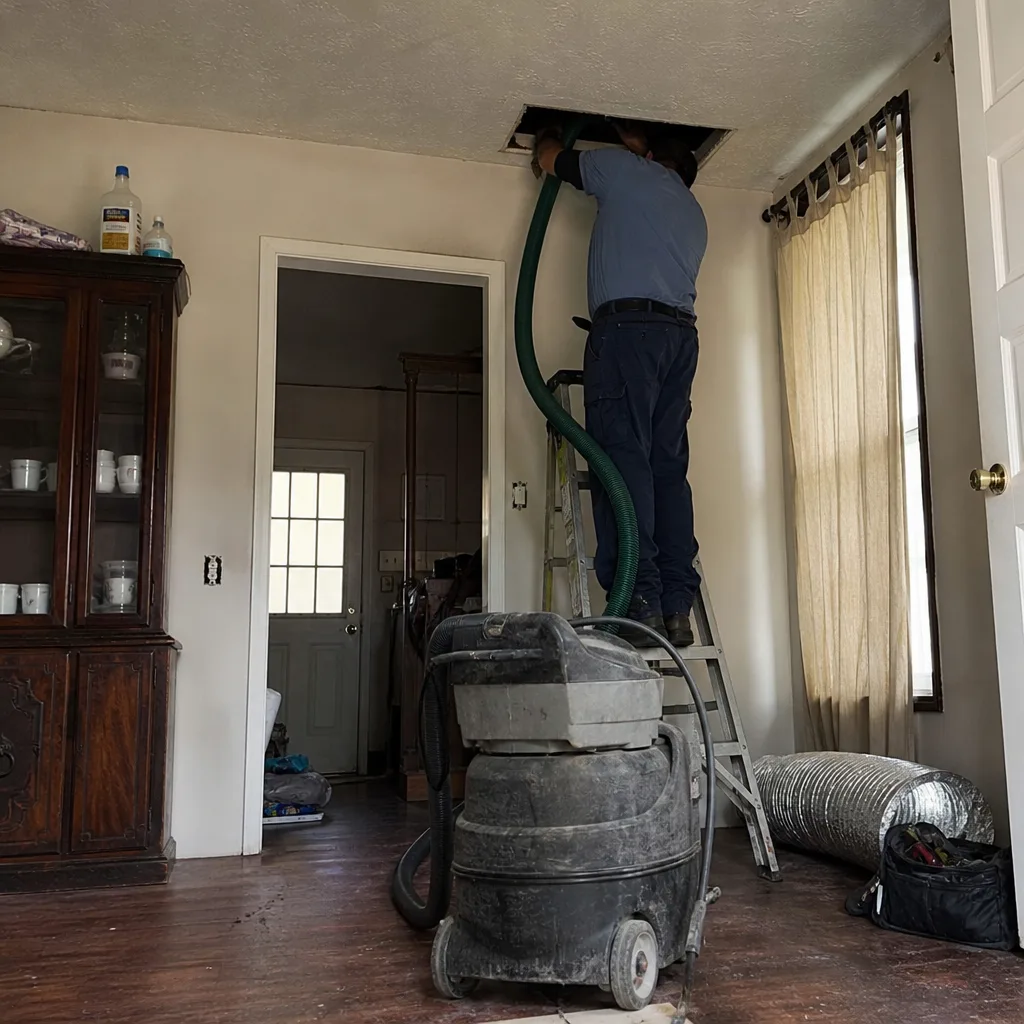
- The vacuum connects to the main trunk at a strategic point, usually near the air handler, and pulls the entire system into negative pressure before any agitation begins. Air flows into the ducts, not out of them.
- Every register is sealed except the one being worked, so the suction is concentrated where the rotary brush is agitating. A crew that leaves registers open is bleeding suction and letting debris escape into rooms.
- HEPA filtration captures what comes out. Nikro HEPA equipment traps fine particulate that a standard shop vacuum would recirculate straight back into your living space. This matters most in homes with allergies, young children, pets or anyone with a respiratory condition.
- Containment equipment guards the air you breathe during the job. Abatement Technologies equipment is built for air quality containment, the kind of discipline restoration contractors bring to a remediation site. For sensitive households and post-renovation cleanups, that level of control is the right standard.
On a 1,800 to 2,400 square foot Fayetteville home, this setup takes real time to stage and re-stage as the crew moves from run to run. If a quote sounds like it’s priced for a quick sweep, it probably is. The equipment is what separates a cleaning from a dust disturbance.
Rotary Brush Agitation Versus a Simple Vacuum Pull
A vacuum alone pulls loose debris off the duct floor. It does nothing to the compacted layer stuck to the walls, and that layer is where most of the contamination lives.
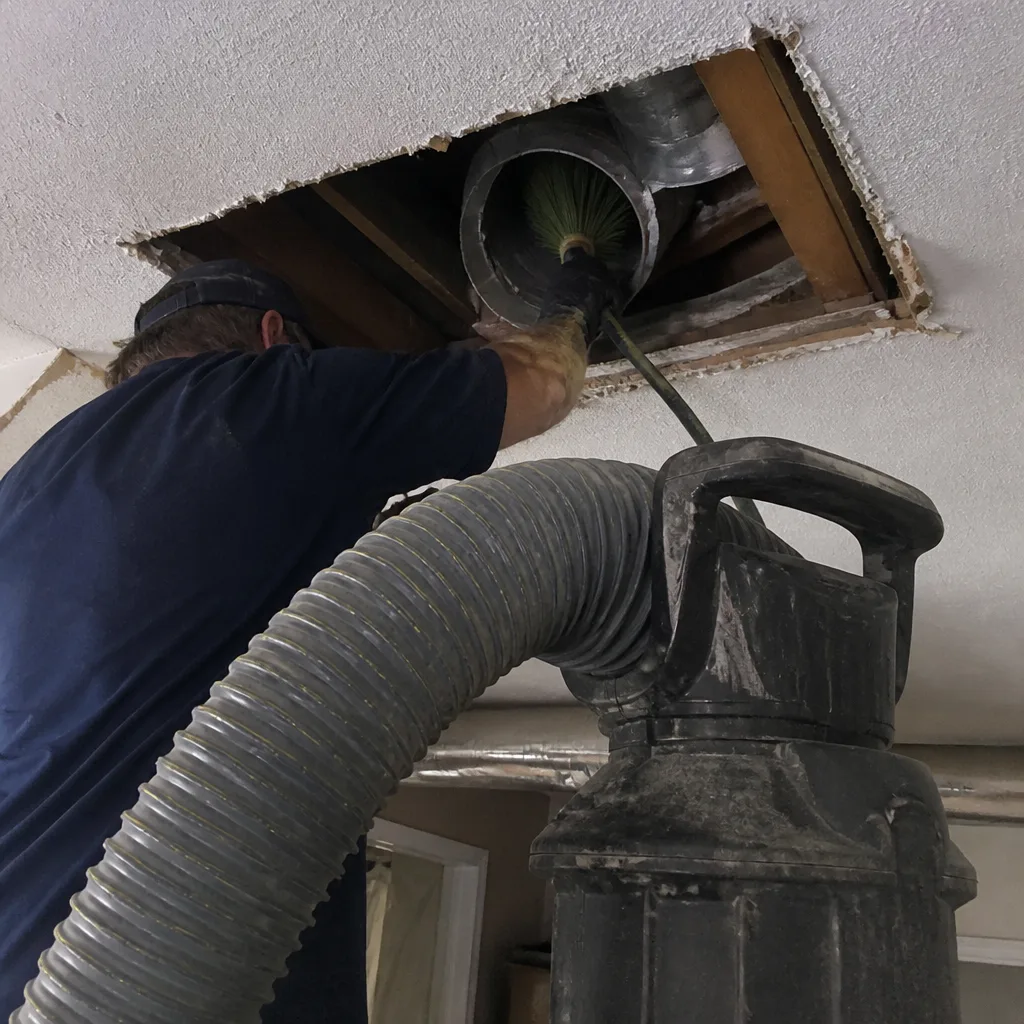
A Rotobrush rotary-brush system feeds a spinning brush through each duct run while the vacuum pulls. The brush contacts the duct walls and scrubs the deposits loose so the airflow can carry them out. That’s the same approach restoration and remediation contractors rely on because it works on real contamination, not just surface dust.
Why the difference matters in this market:
- Clay-heavy construction dust compacts against duct walls and needs mechanical agitation to break free.
- Sand settles in low runs and resists a straight vacuum pull.
- Biological growth, where humidity has allowed it, clings to surfaces and has to be physically removed, not just sucked at.
- A vacuum-only pass can look productive while leaving the actual deposits in place.
We use a professional-grade Rotobrush rotary brush system on every duct cleaning job because the agitation pass is the job. Everything else is capture and verification. If a company quotes you a cleaning without naming the agitation method, ask. The answer tells you what you’re buying.
For more on how we approach the work in this city, see air duct cleaning.
Duct Materials Common in Cumberland County Construction
Different duct materials need different handling. A good technician reads the material before choosing the approach.
Sheet metal trunk and branch lines. The most common and the most forgiving. Rotary brush agitation works well, and the metal takes the contact without damage. These runs are where the brush really earns its keep.
Flexible duct runs. Common on branch lines and additions. Flex duct has ridges and a corrugated inner liner that collect debris in the valleys. The brush approach still applies, but technique matters. A technician who over-agitates flex can damage the liner, so the brush speed and feed rate are adjusted for the material.
Duct board. Some older Cumberland County homes and additions use duct board for trunk sections. It’s softer than metal and needs gentler agitation. Recognizing it before the brush goes in prevents damage.
Returns with grilles and boot connections. The transition from grille to duct is where debris collects first. Every boot and connection gets attention, and any disconnect or gap found during cleaning is flagged for repair.
Because duct material varies house to house, inspection comes before cleaning, not after. The material read happens on the walkthrough, and the cleaning plan follows from it.
How to Verify the Job Was Actually Done
This is where the industry’s reputation problem lives. A homeowner can’t see inside their ducts, so the work is taken on faith. It shouldn’t be.
Here’s how to confirm a cleaning actually happened:
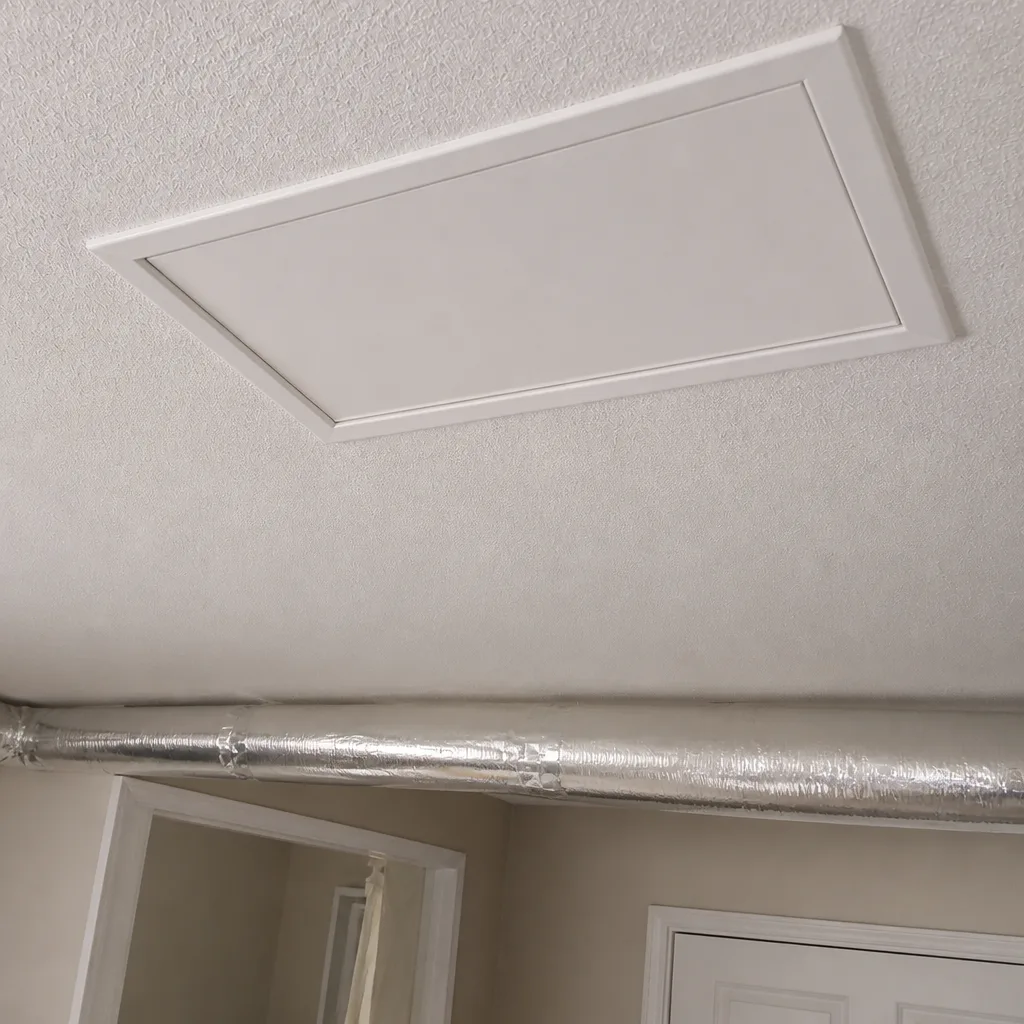
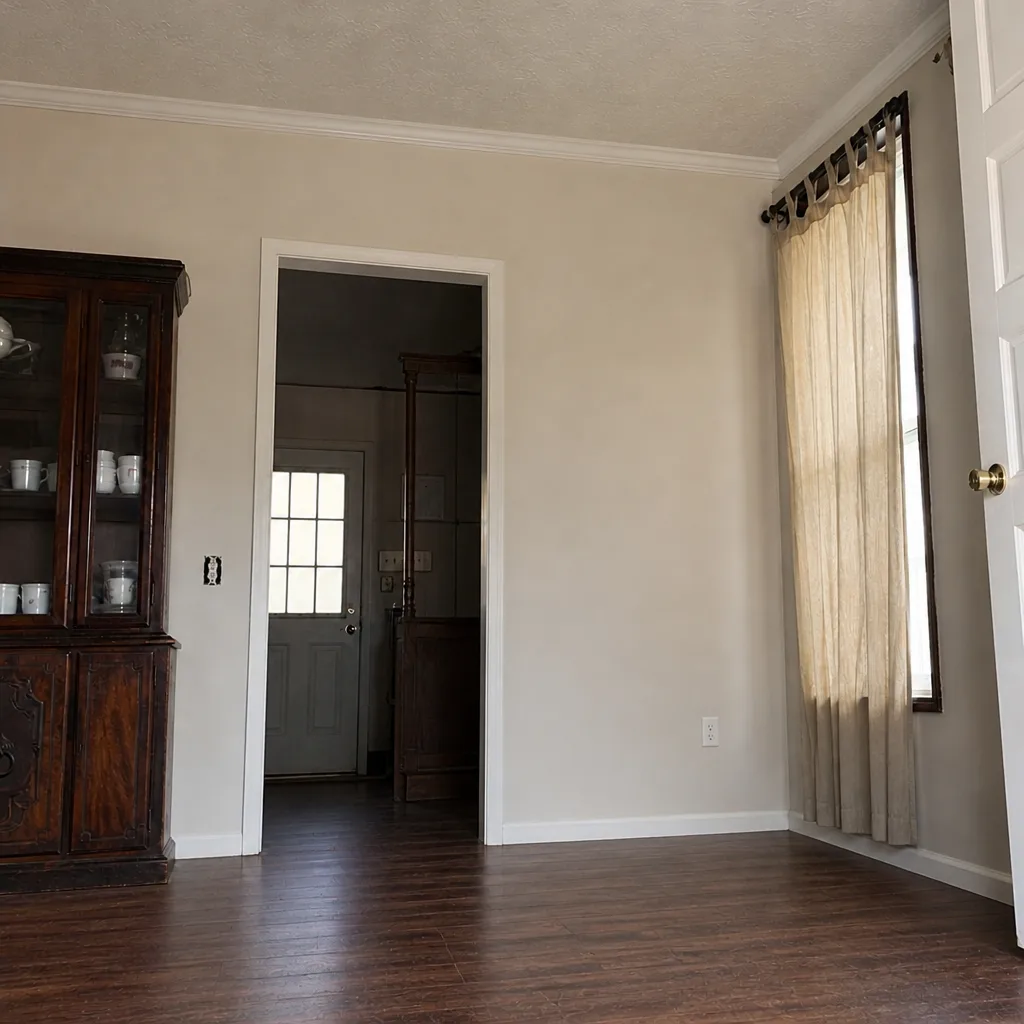
- Before-and-after photos of your own ducts. Not stock images, not a generic before-and-after. Your ducts, your runs, photographed before the brush goes in and after the run is cleared. Ask to see the same register in both photos.
- Watch the negative pressure during the job. If the vacuum isn’t running or the registers aren’t sealed, the setup is wrong. You can see this.
- Ask how the crew tracked which runs were completed. A thorough job has a systematic count. Every register gets worked, and the crew knows which ones are done.
- Look at the vacuum’s filter and collection point. A job that pulled real contamination leaves evidence of it. A job that didn’t leaves a clean filter and a clean story.
- Confirm the price was agreed before work started. One flat price per system, set by the written estimate. No per-vent surprises, no mid-job reversal.
We take before-and-after photos of every system we clean and share them with the homeowner. It’s not a marketing flourish. It’s the answer to the question every customer is quietly asking: how do I know you did the work?
For more on how Fayetteville homeowners choose a duct cleaner, see Fayetteville.
The Fort Liberty Rental Corridor and Cleaning Intervals
Housing near Fort Liberty turns over fast. That turnover, more than anything else, drives accelerated duct fouling in a specific part of Fayetteville.
Here’s the pattern. A rental near post changes tenants, and each move-in brings a fresh load of dust from moving boxes, furniture and floor traffic. Each move-out leaves behind what the last tenant left. Multiply that across years and the returns accumulate faster than they would in an owner-occupied home where the same family has lived for a decade. On top of that, rental HVAC systems often run harder, get less filter attention, and see less maintenance between leases.
What this means for cleaning intervals along the Fort Liberty corridor:
- Rental properties: a shorter interval often makes sense, particularly between tenancies. A cleaning at turnover is the cleanest handoff.
- Owner-occupied homes: longer intervals typically work, judged by inspection rather than a fixed calendar.
- Homes with pets or allergy sufferers: shorter than the general recommendation, because the load is higher and the sensitivity is higher.
There’s no single right interval. The honest answer is that a Fayetteville home should be inspected and the interval set from what the inspection finds. A company that quotes a fixed number without looking at the system is guessing.
Duct Repair and Dryer Vent Cleaning
Cleaning is half the job. The other half is fixing what the cleaning turns up.
During a cleaning, a technician inspects as they work. Disconnected flex runs, gaps at boot connections, crushed sections, deteriorated duct board, sections that have pulled apart at a joint. A cleaning that ignores these is cleaning around a problem. We offer air duct repair alongside cleaning because compromised ductwork lets contaminated air bypass filtration and enter living space. Finding the problem and fixing it is the point.
Dryer vents are the other half of the household air system that gets neglected. Lint accumulation in a dryer vent is one of the leading causes of residential house fires, and it’s a documented risk that a dedicated cleaning directly addresses. We treat dryer vent cleaning as its own service, not an upsell bolted onto a duct cleaning visit, because the work and the equipment are different. If your dryer takes two cycles to dry a load or the vent is over a year past its last cleaning, it’s due. Learn more about our dryer vent cleaning.
On the filtration side, we work with Honeywell and Aprilaire systems, which means we can evaluate and support whole-home filtration rather than just clean around whatever is installed. If your current filtration is undersized for the home’s air quality needs, that’s a conversation worth having at the inspection.
What Air Duct Cleaning Costs in Fayetteville
Air duct cleaning in Fayetteville is priced per system, not per vent, and the range depends on square footage, number of returns, system condition and whether repair work is needed. Typical ranges for the Fayetteville market look like this:
- Standard whole-system cleaning, roughly 1,800 to 2,400 sq ft: typical range runs in the low-to-mid hundreds of dollars, set by the written estimate.
- Larger homes or systems with multiple zones and more returns: higher in the range, reflecting the added runs and time.
- Post-renovation or heavy-contamination cleanups: priced after inspection, because the load and the containment needs vary.
- Dryer vent cleaning: priced separately as its own service.
- Duct repair: quoted from the inspection findings, since the fix depends on what’s found.
The final price is set by the written estimate agreed before any work starts. We don’t quote per-vent prices, because per-vent pricing rewards a fast count and punishes thoroughness. We give an honest whole-system range, confirm it in writing, and hold to it.
For the full picture on pricing, scheduling and what a visit involves, see Wexford Air Duct Cleaning.
Common Mistakes to Avoid
- Buying on a coupon price. A low teaser figure that balloons into a far larger invoice once the technician is on site is the oldest move in this trade. Ask for a whole-system range in writing before anyone arrives.
- Accepting per-vent pricing. It rewards the company for counting fast and punishes them for working each run properly. A flat price per system is the honest structure.
- Skipping the before-and-after photos. If the company won’t show you your own ducts before and after, you have no way to know the work happened.
- Letting a vacuum-only crew in. No rotary brush agitation means the compacted layer stays on the walls. Ask what equipment does the scrubbing.
- Ignoring flex and duct board differences. A crew that treats all duct material the same can damage flex liners and duct board in a Cumberland County home. Ask how they handle material differences.
- Cleaning around a disconnected duct. If the inspection finds compromised ductwork and the cleaning goes ahead anyway, you’ve paid to clean a system that still leaks. Repair should be part of the conversation.
- Setting the interval from a national website. Fayetteville’s humidity, construction dust and rental turnover mean the right interval is an inspection call, not a calendar number.
See the difference
 Before
 After
 Before
 After
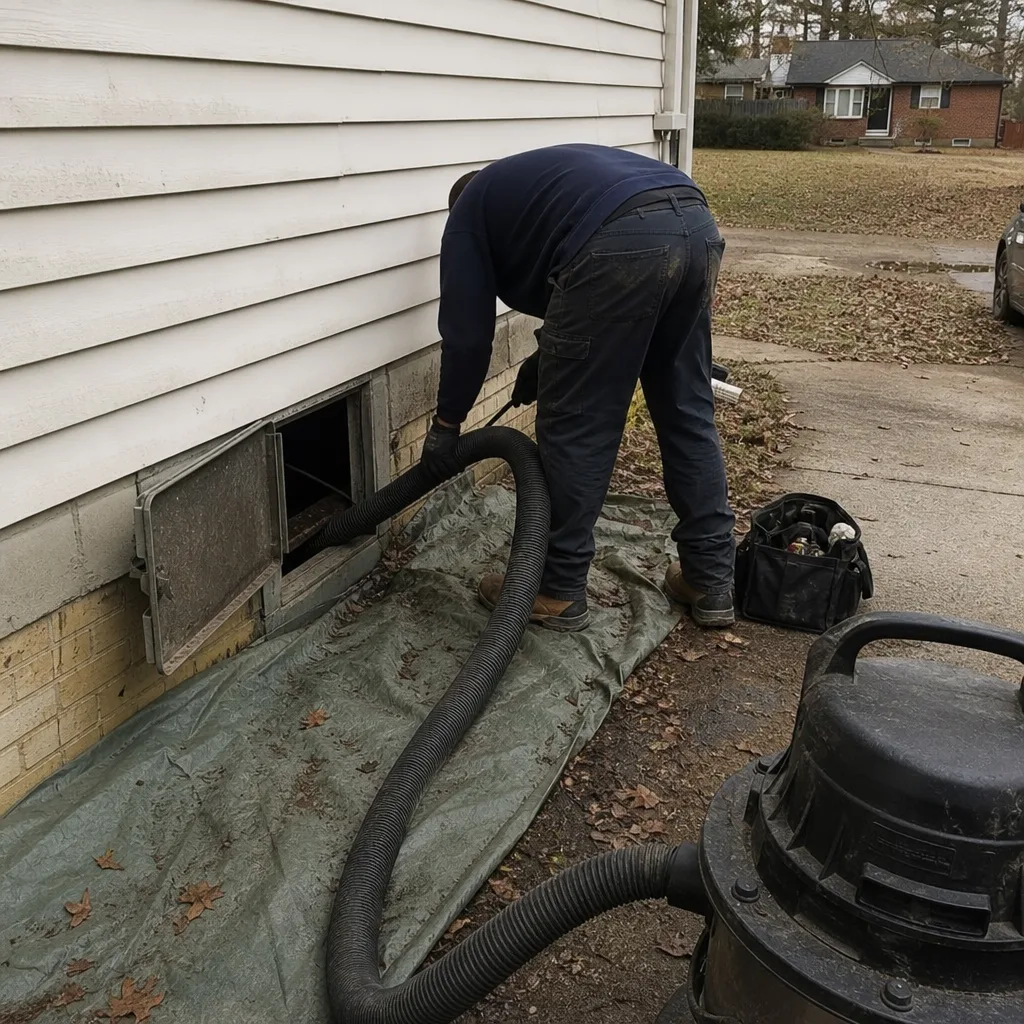 Before
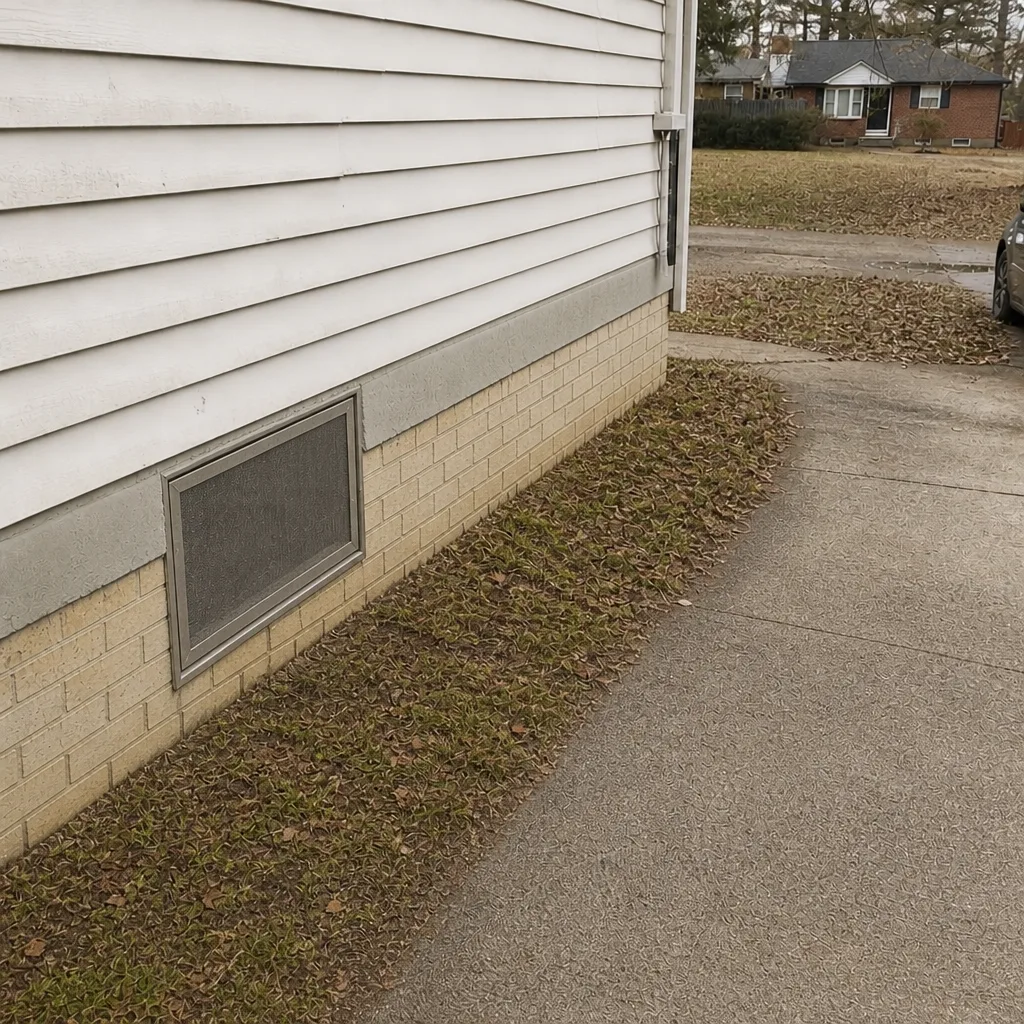 After
When to Call a Professional
Call a professional when you can see visible dust or debris at the registers, when a recent renovation or move has left the system loaded, when a household member’s allergies or asthma seem worse indoors than outdoors, when the system has never been cleaned and the home is more than a few years old, when a dryer takes two cycles to dry a load, or when you suspect a disconnected or crushed duct. Those are all inspection-worthy scenarios. If you’re in a rental near Fort Liberty and the system hasn’t been cleaned between tenancies, that’s a call worth making at turnover. Wexford Air Duct Cleaning offers free estimates in Fayetteville. Call (888) 670-4029. We answer 24/7, and fast dispatch runs from 7am to 7pm, Sunday through Friday.
Frequently Asked Questions
Air duct cleaning in Fayetteville is priced per system, and a typical whole-system cleaning for a home in the 1,800 to 2,400 square foot range runs in the low-to-mid hundreds of dollars, with the written estimate setting the final price. Larger homes, multiple zones, post-renovation cleanups and any needed duct repair push the figure higher. The price is a flat per-system number agreed before work starts, not a per-vent count. Call (888) 670-4029 for an exact quote. Estimates are free.
Cheap quotes are usually cheaper because the work is smaller: a vacuum-only pass with no rotary brush agitation, no negative pressure staging, no HEPA capture and no verification photos. Some are teaser prices that grow once the technician is on site. The honest comparison isn’t the headline number, it’s what the number buys. Ask any company what equipment they use for agitation and capture. Call (888) 670-4029 for a quote you can compare line for line.
Ask for before-and-after photos of your own ducts, taken at the same registers, and confirm the price was agreed in writing before work started. During the job you can see the negative pressure setup: vacuum connected, registers sealed, HEPA equipment running. A crew that tracks completed runs and shows you the results is a crew that did the work. Call (888) 670-4029 to schedule a visit.
It depends on the home, but Fayetteville’s long humid season, construction dust and rental turnover near Fort Liberty often push the right interval shorter than the generic national advice. A home with pets, allergies, a recent renovation or a recent move warrants an inspection sooner. The right call comes from looking at the system, not from a fixed calendar. Call (888) 670-4029 to book an inspection.
Yes. Slab-on-grade homes concentrate debris at floor-level returns and the trunk line just past them, so those runs get dedicated agitation. Crawlspace homes see more intrusion at joints and connections and more condensation risk, so inspection focuses on duct condition and insulation. The cleaning plan follows the construction. For more, see air duct cleaning.
Yes. Dryer vent cleaning is its own service, not an add-on, because lint accumulation in the vent is one of the leading causes of residential house fires and the work needs its own equipment and approach. If your dryer takes two cycles to dry a load, the vent is likely due. See dryer vent cleaning or call (888) 670-4029. We answer 24/7. Fast dispatch from 7am to 7pm, Sunday through Friday.
The Bottom Line
Duct cleaning in Fayetteville is a real job shaped by real local conditions: clay-heavy construction dust, sand intrusion, a humidity season that runs most of the year and a rental corridor near Fort Liberty that fouls systems faster than most. A proper cleaning means negative pressure, rotary brush agitation, HEPA capture and before-and-after verification, priced per system from a written estimate. Skip the coupon, ask what equipment does the work, and get photos. Our technicians have up to 12 years of experience and we treat duct cleaning, dryer vent cleaning and duct repair as three distinct crafts. Call (888) 670-4029 for a free estimate. We answer 24/7. Fast dispatch from 7am to 7pm, Sunday through Friday. We’re closed Saturday.
Written by the team at Wexford Air Duct Cleaning.