
Last updated November 16, 2026
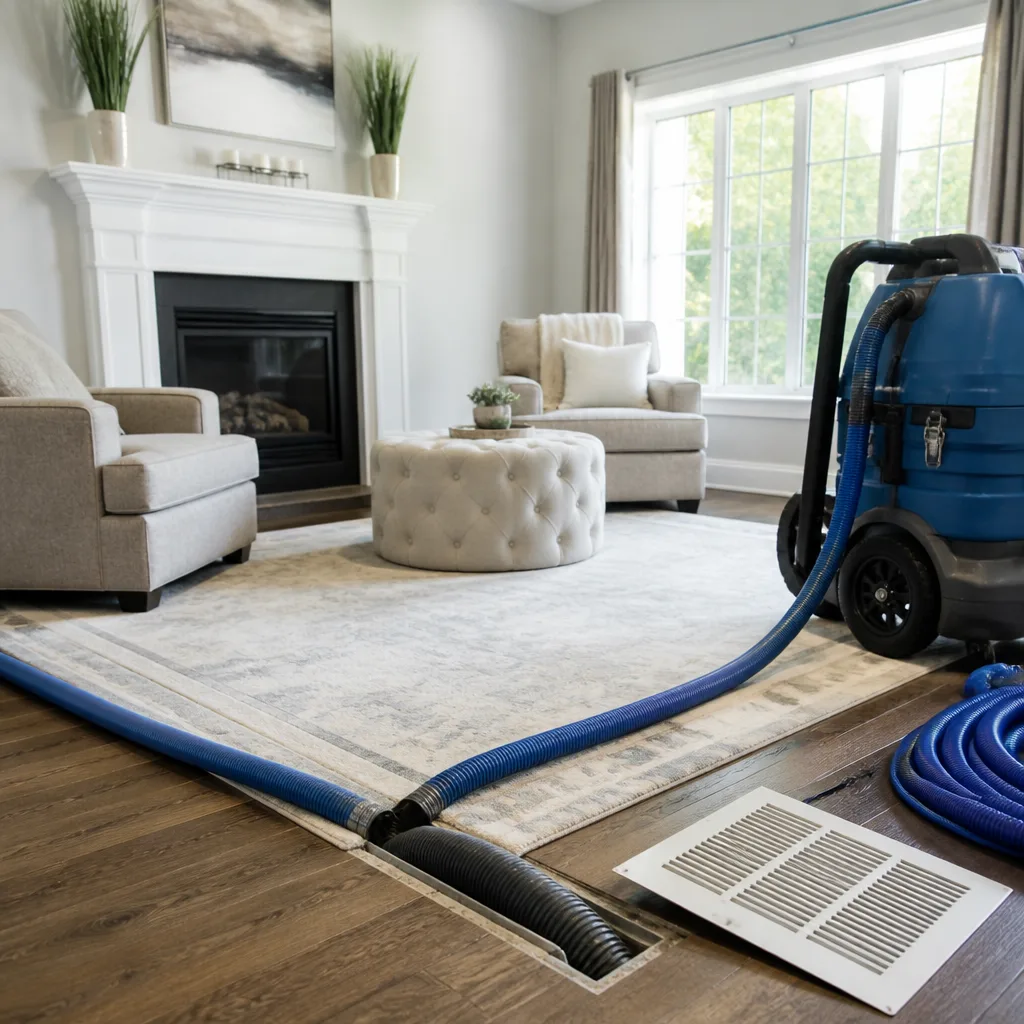 Whole-home duct cleaning
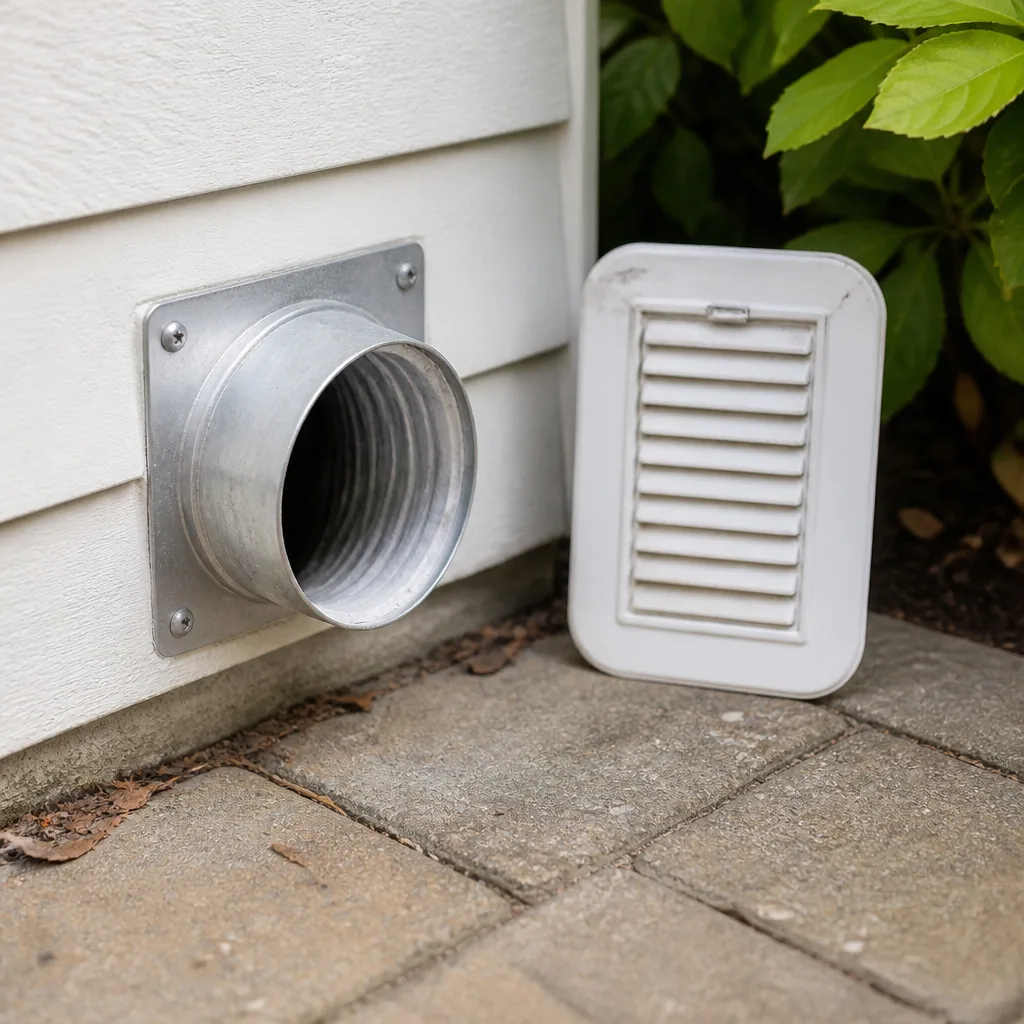 Dryer vent cleaning
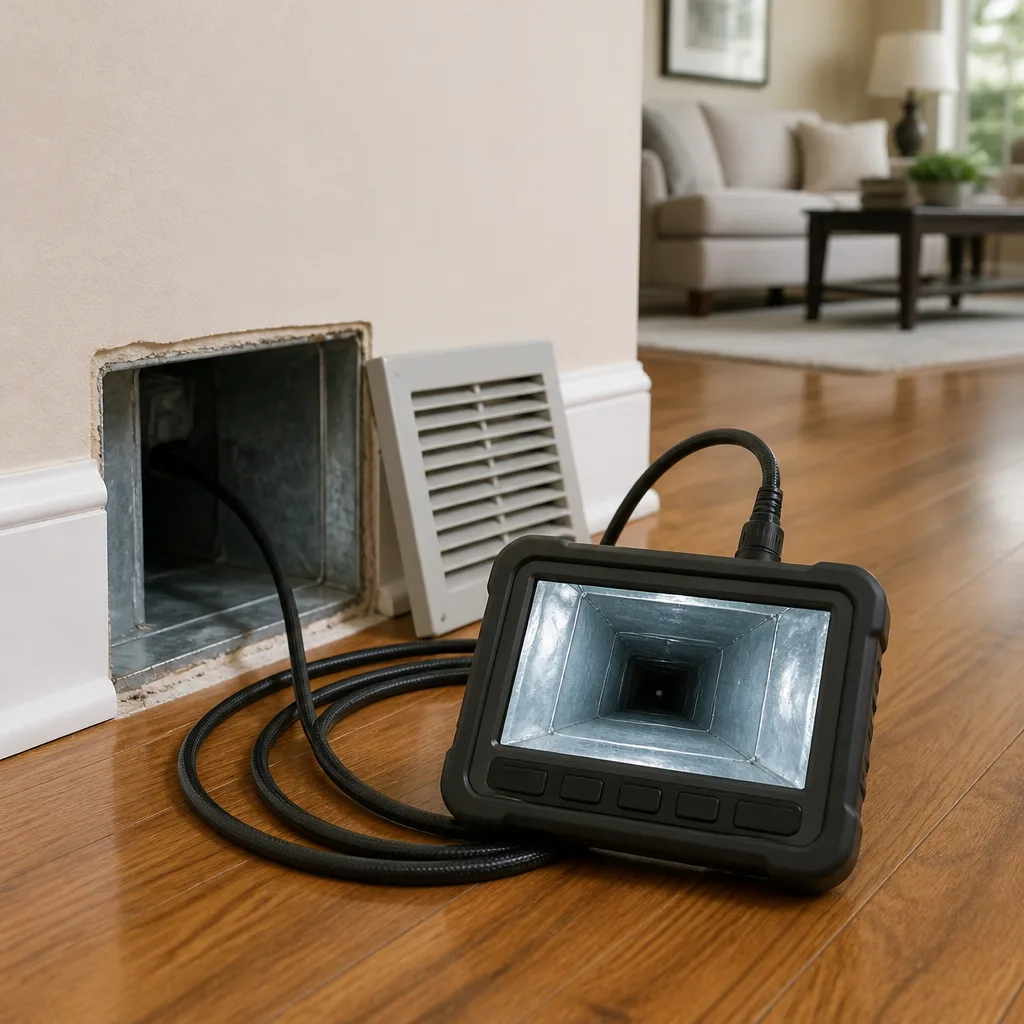 Camera inspection
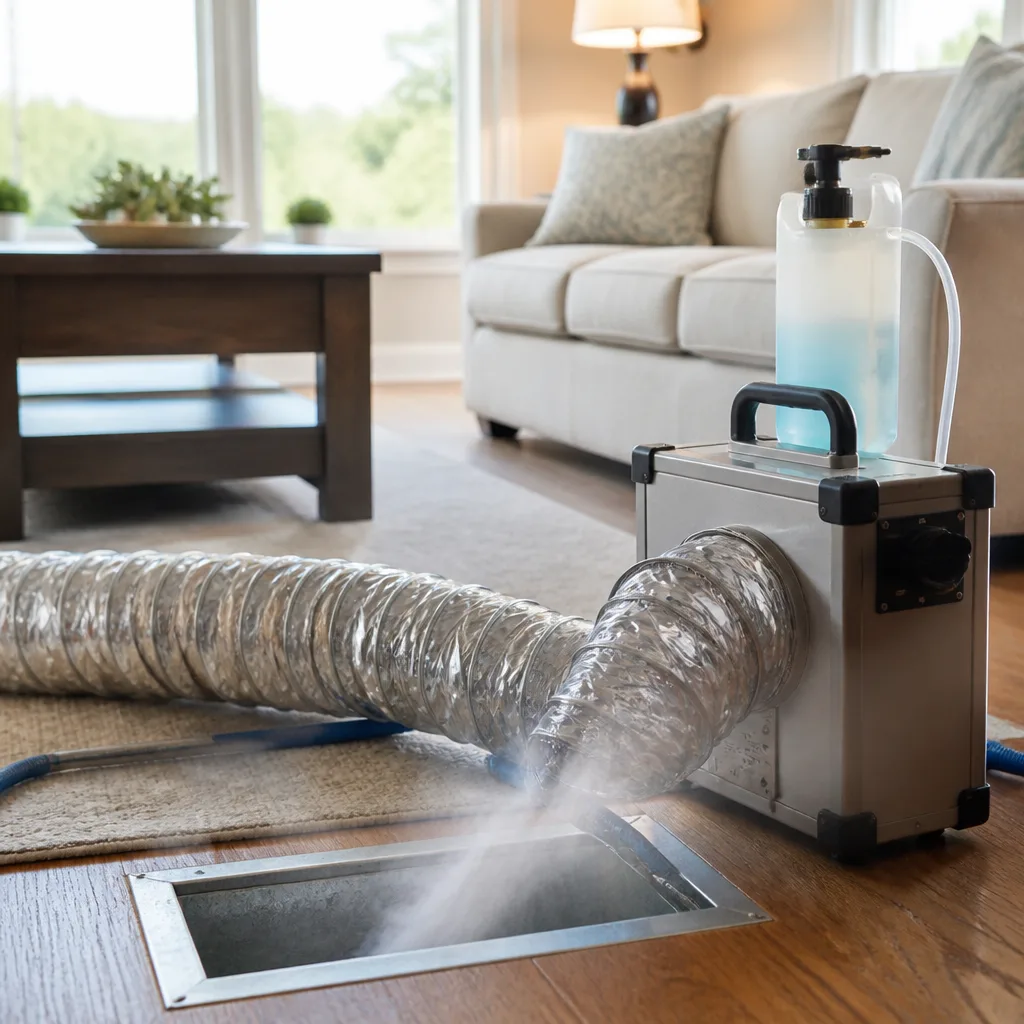 Sanitizing & deodorizing
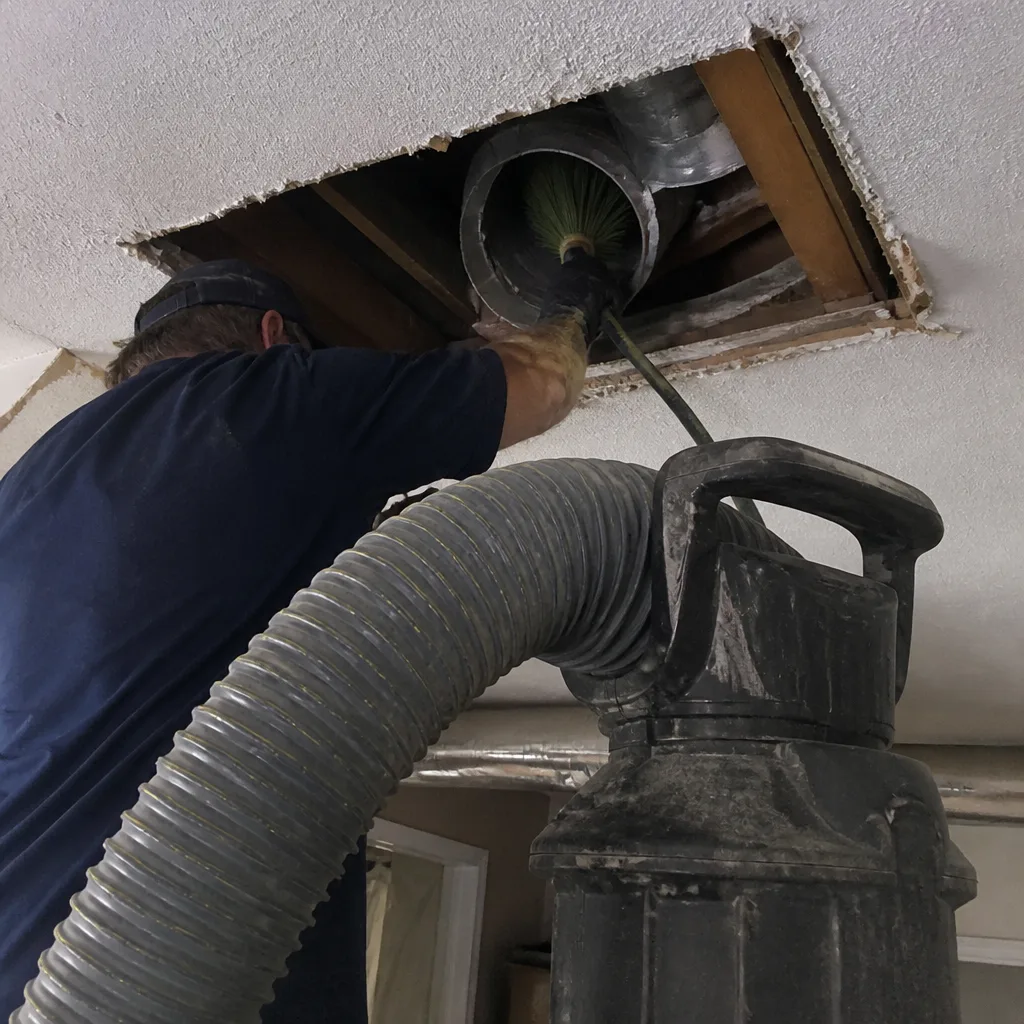
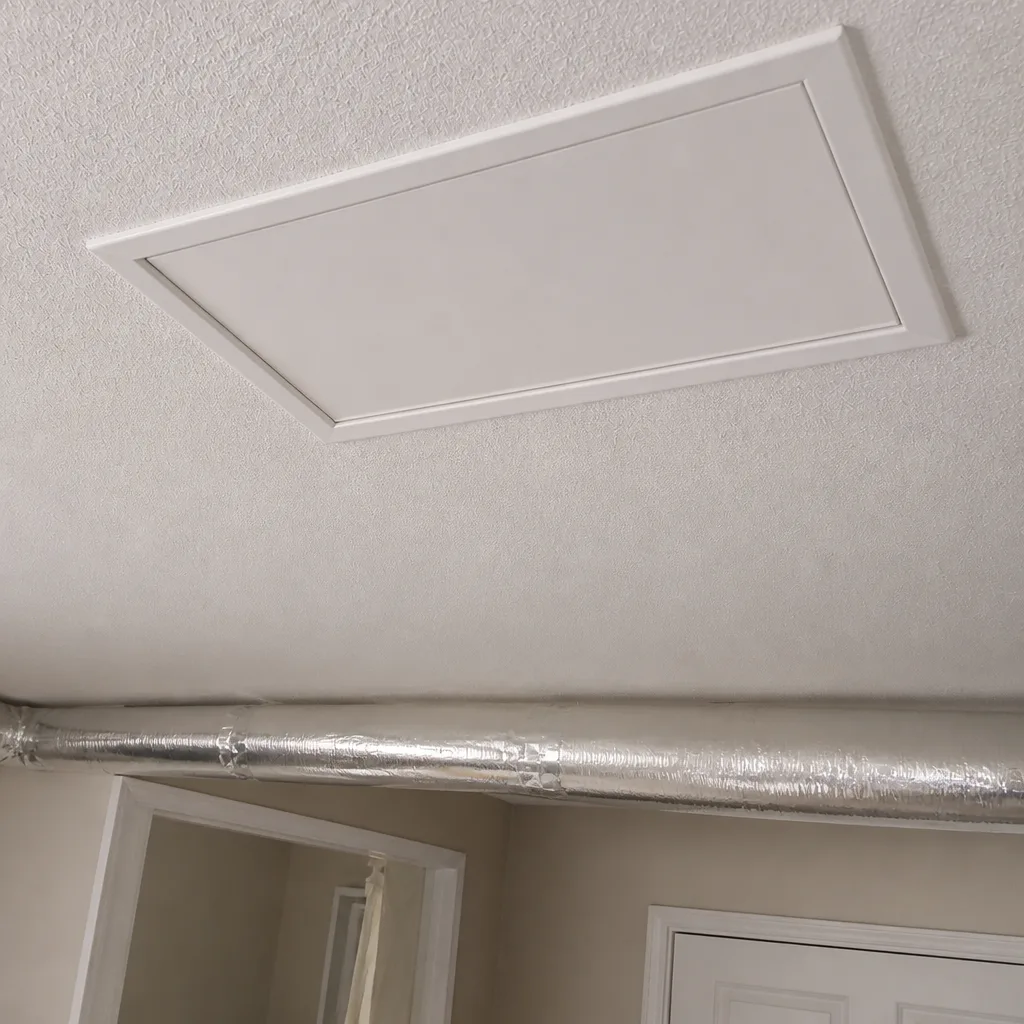
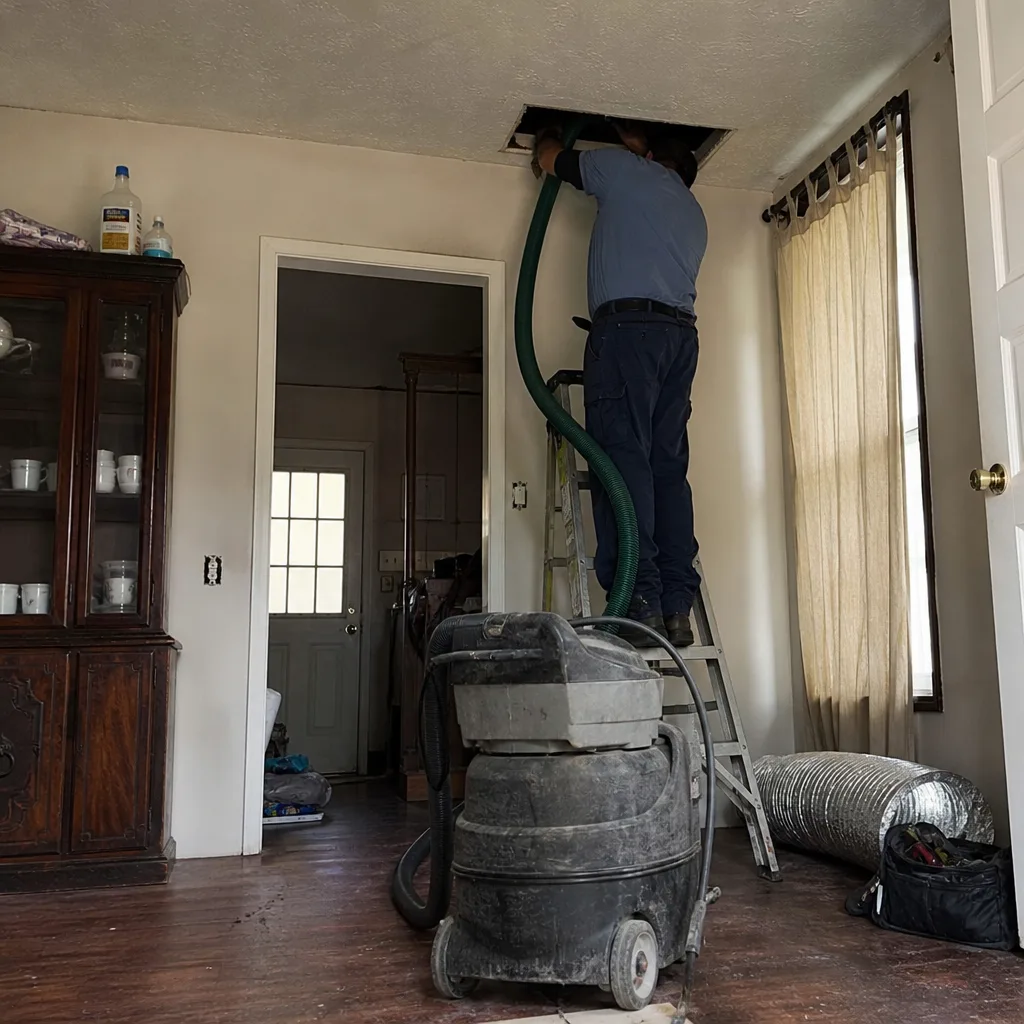
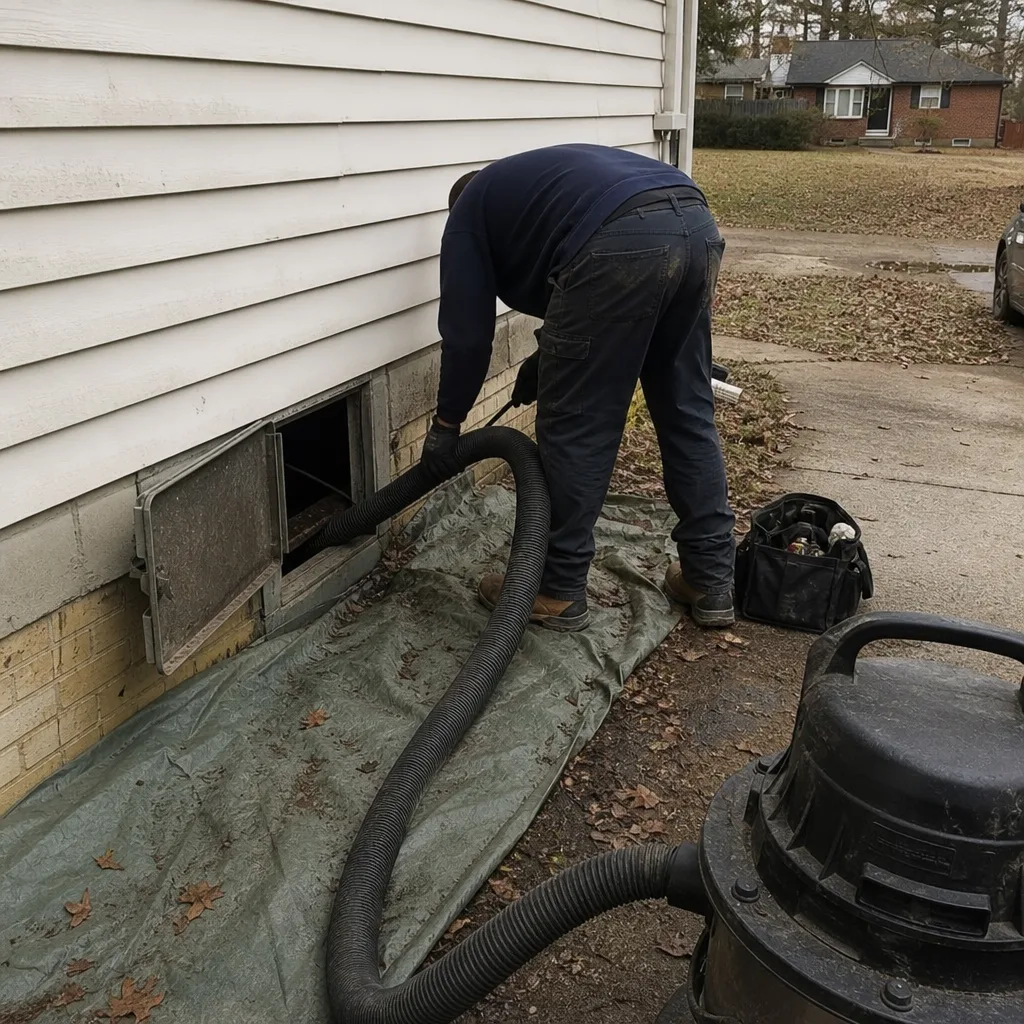
Whole-system duct and dryer vent check with before-and-after photos - you see exactly what came out of your vents
That "$99 whole-house special" is a bait ad - the real number appears once they are in your hallway, or the "clean" is a shop-vac at the register. We photograph the inside of your ducts before and after instead.
Choosing the Right Air Duct Cleaning Brand: A Buyer’s Guide for Fayetteville
When you hire a duct cleaning company, you’re not really hiring the company. You’re hiring the equipment they put in your house. Two contractors can look at the same duct system, quote the same job, and deliver completely different results based on what’s sitting in the back of their van. That’s the part most homeowners never think to check, and it’s the part that actually determines whether the dust, pet hair, and debris inside your ductwork gets pulled out or just stirred up. The brand names on that equipment are verifiable, which means you can evaluate a contractor’s real capability before you book them instead of taking their word for it. This guide shows you how, with local detail specific to Fayetteville homes and the people who work on them.
Styles & brands we work with
- Whole-home duct cleaning
- Dryer vent cleaning
- Camera inspection
- Sanitizing & deodorizing
Quick Answer
The right air duct cleaning brand in Fayetteville is the one running professional-grade equipment you can identify by name: a rotary-brush system like Rotobrush, a HEPA-rated vacuum like Nikro, and containment equipment from a manufacturer like Abatement Technologies. A contractor who can’t name their machines or explain their vacuum and containment setup usually doesn’t have the setup to clean your system properly. Company brand, franchise name, and fancy logo tell you far less than the equipment the technician actually rolls in with.
Table of Contents
- Why the equipment is the brand
- What Rotobrush systems are built to do
- Why Nikro equipment matters for source removal
- What Abatement Technologies equipment adds
- Company brand versus equipment brand
- How to verify equipment claims before you book
- Matching equipment to Fayetteville homes
- Common mistakes to avoid
- When to call a professional
- Frequently asked questions
Why the Equipment Is the Brand
Walk into any hardware store and you’ll find “duct cleaning” vacuums and brush kits aimed at homeowners. They cost a few hundred dollars and they cannot do the job a real system needs. The difference isn’t marketing. It comes down to two things: the strength of the vacuum and the way the brush engages the duct wall.
Ducts are a closed system, and the debris inside them clings to the walls. Loose dust that settles in a straight run is easy to move. But the stubborn stuff – hair matted into return registers, construction dust pressed against flex duct, the film that builds on galvanized pipe – needs mechanical agitation plus enough negative pressure to keep what’s loosened from floating into your living room. A shop vac and a handheld brush move material around. Professional equipment removes it.
Professional equipment is also built with containment in mind. In a market full of coupon-driven crews, the contractor whose machines come with HEPA filtration and honest containment is a different category of operator. When you’re comparing air duct cleaning quotes in Fayetteville, the equipment is the one thing that separates a genuine cleaning from a dust storm inside your house.
The three equipment questions that actually matter
- What agitates the debris? A rotary brush, air whip, or compressed-air tool that reaches the full duct wall.
- What captures the debris? A HEPA-rated vacuum running at real negative pressure, hooked to your system at the right point.
- What contains the fine particulate? Filtered exhaust and a method for trapping what the vacuum pulls so it doesn’t recirculate.
Get clear answers to all three and you know the contractor’s actual capability. Skip them and you’re guessing.
What Rotobrush Systems Are Built to Do
Rotobrush is a name that comes up in every serious conversation about duct cleaning equipment. The system’s defining feature is continuous-contact brushing combined with an integrated vacuum. A rotating brush head spins inside the duct while a hose pulls material back to a collection unit, so the brush doesn’t just knock debris loose – it keeps working the full surface of the duct wall as it advances.
That continuous contact matters. A duct’s contamination sits in corners, seams, and along the full circumference of the pipe. A brush that only touches part of the wall leaves the rest behind. Rotobrush systems are designed to field that debris back to the vacuum source while the brush turns, which is why competent contractors reach for them on standard residential jobs.
Which Fayetteville homes are a good fit? Most of them:
- Single-story homes with standard trunk-and-branch systems – the backbone of most Fayetteville neighborhoods, and the configuration these systems are built for.
- Flexible duct runs where debris has settled in a sagging low point, which rotary brushing reaches cleanly.
- Return-air chases where pet hair and construction dust accumulate fastest, since brushing handles matted material a vacuum alone can’t lift.
- Older homes with galvanized rectangular duct where dust has been pressed into seams over years of use.
If you live in a newer subdivision and you’re wondering whether duct cleaning is even worth it, much depends on what’s been in the system – construction dust after a renovation, drywall dust after a repair, and pet hair over years. The brush-and-vacuum combination is the practical answer for most of those situations.
Why Nikro Equipment Matters for Source Removal
Nikro Industries makes HEPA-rated vacuum equipment, and that single word – HEPA – is what makes it relevant to duct work. A standard vacuum pulls air through a filter and exhausts it back into the space it’s working in. A HEPA-rated unit captures fine particulate down to the size that triggers irritation and stays airborne longest. In a duct cleaning application, that means the dust you loosened gets trapped, not launched into your living room.
Source removal is the principle behind the whole approach. The goal of a duct cleaning job isn’t to blow the system cleaner – it’s to remove the contamination from the system. Nikro equipment is built around that logic: strong negative air and a filter designed to keep what’s captured captured.
Where Nikro-style equipment earns its place
- High-contamination systems – ducts that haven’t been touched in years, or that have collected drywall dust, pet dander, or insulation fibers.
- Post-renovation cleanup – a major renovation pushes drywall dust and construction debris through the system, and HEPA-rated capture keeps it from recirculating.
- Households with allergies – a HEPA vacuum reduces the fine particulate that lingers after a job, which is the point of cleaning in the first place.
- Any home where containment discipline matters – because what’s pulled out is what’s captured, with nothing left floating.
If you’ve gotten quotes from contractors who mention a “shop vac” and a “hose,” you now know why the equipment brand matters. A HEPA-rated source-removal vacuum and a standard vacuum are not the same tool, even if both say “vacuum” on the box. For households with allergies or pets, that distinction shows up in the air for weeks afterward.
What Abatement Technologies Equipment Adds to a Contractor’s Capability
Abatement Technologies makes containment and air-filtration equipment used in restoration and remediation work. Contractors bring that gear into environments where controlling what’s in the air is the whole job – construction dust, mold-adjacent spaces, high-particulate situations. When a duct cleaning company has Abatement Technologies equipment in its stack, it signals a level of air quality discipline a step above standard residential cleaning.
Why does that matter for a homeowner in Fayetteville? Think about the jobs that get tricky:
- Post-renovation cleaning – drywall dust and construction debris are fine and pervasive. Containment-level equipment traps the particles that would otherwise settle back into a house.
- Mold-adjacent situations – we’re not a mold remediation company, and nobody should pretend otherwise. But when the concern is particulate and the ducts are a suspected source, filtration equipment that can run with real containment is part of the right response.
- Households with young children, allergy sufferers, or pets – these are the homes where a job done without containment leaves an airborne problem that lasts longer than the dust it started with.
Containment equipment is also a signal. A contractor who maintains that equipment, knows how to set it up, and understands why it’s part of a cleaning visit is a contractor who thinks about what’s happening to the air, not just what’s happening to the duct. That’s the kind of operator worth calling, and it’s why we talk about our brand stack as equipment first, company second.
Company Brand Versus Equipment Brand
This is the heart of the guide, so let’s be direct: the name on the van tells you less than the name on the machines. A franchise truck can carry consumer-grade gear and a small independent can carry restoration-grade equipment. The franchise name doesn’t upgrade the vacuum. The independent’s gear doesn’t downgrade it.
In Fayetteville, the duct cleaning market includes generalist HVAC companies that treat duct cleaning as an add-on between service calls, coupon crews that work with portable vacuums and a hose, and specialists who invest in equipment the restoration industry uses. The company brand you’re evaluating – whichever one you choose – is basically a wrapper. The equipment inside it is the capability.
How company brands differ from equipment brands
- A company brand is a promise about customer experience: scheduling, pricing, follow-through, and how the job is explained. It’s real, but it’s not the work itself.
- An equipment brand is a promise about capability: what the machine can reach, capture, and contain. It’s engineering, not marketing.
Not every homeowner wants to become an equipment expert. You don’t have to. You just need to ask the two questions that cut through a company-brand pitch – what brand of vacuum and brush system will you use, and how do you contain the particulate? – and listen to whether the answer is specific. A contractor who answers those with confidence is one worth considering. One who deflects with talk about “our process” is telling you something too.
Specialist focus itself is a signal. When a company does duct cleaning, dryer vent cleaning, and duct repair as its core work, the equipment gets used, maintained, and understood. Generalist HVAC shops use duct cleaning as filler, and the gear tends to reflect that. The brand you’re really buying is the equipment plus the systematic approach to using it.
How to Verify Equipment Claims Before You Book
Anyone can say “professional-grade.” The test is whether they can show you. Here’s how to verify before you commit to a job.
- Ask for the equipment brand by name. “What brand of vacuum and rotary brush do you use?” A clear answer like Rotobrush or Nikro is confidence. “Professional-grade” with no name is a dodge.
- Ask about the vacuum’s filtration rating. HEPA-rated versus standard is a real distinction. A contractor who can explain the difference understands what they own.
- Ask how they contain the particulate. “Where does the exhaust go, and how do you keep fine dust from recirculating?” A real answer describes containment, not a process soundbite.
- Request photos. We take before-and-after photos of your own ducts on every job. Ask any contractor to do the same – if they can’t show you the inside of your system before and after, you can’t confirm the work was done.
- Ask what happens to damaged ductwork. A company that offers air duct repair can find and fix a disconnected or crushed run. One that only cleans will clean around the problem and leave it.
- Ask about filtration support. Familiarity with brands like Honeywell, Aprilaire, or Guardsman systems tells you the contractor can evaluate whole-home filtration, not just clean the ducts.
None of this is a trick question. It’s the equipment literacy a professional tradesperson shows in the first five minutes of a conversation. If they can’t name their machines and explain their containment setup, they shouldn’t be trusted with your system.
Matching Equipment to Fayetteville Homes
Duct systems are not identical, and neither are the homes in Fayetteville. Most of the housing stock here is built for hot, humid summers, which means ductwork and basement or crawler configurations that handle moisture and long runs from central equipment. That shapes what a cleaning job actually involves, and what equipment is best suited to it.
- Single-story ranch homes with attic-mounted flex ducts are the most common residential configuration. Rotary brushing and HEPA vacuuming are the right fit.
- Two-story homes with multiple trunk and branch runs need a contractor who can get to each side of the system and set the vacuum at the right point to pull through the whole run.
- Older construction and remodels often have disconnected or crushed runs from previous renovations. That’s when a company that can repair ductwork is worth having, not just a cleaner.
- Newer subdivisions still collect construction dust and drywall powder when building work wraps up nearby, so a post-renovation cleaning with containment equipment is often the right call.
None of this is about climate scare-talk. It’s about matching the machine to the system. A duct cleaning crew running the right equipment for a Fayetteville attic run leaves a clean system; a crew running the wrong one leaves a thin coat and a vague feeling something was skipped. Reach out to a Fayetteville specialist who can explain which configuration your house has and how they’ll approach it. Our technicians have up to 12 years of experience working across these home layouts, and we’re glad to talk through the specifics before a single tool comes out.
Common Mistakes to Avoid
- Choosing on price alone. The cheapest quote is often cheapest because the equipment is smaller and the containment is thinner. A low number is a question, not an answer – ask what you’re getting for it.
- Not asking for photos of the inside of the ducts. Before-and-after photos of your own system are the simplest way to confirm work was actually done. If a contractor won’t take them, that’s a red flag.
- Confusing a generalist with a specialist. An HVAC company that treats duct cleaning as an add-on is not the same as one that treats it as the main job. The generalist often runs lighter equipment and less containment.
- Ignoring contractor containment. A crew that doesn’t protect the return side of the system can push fine dust into the house during the job. Containment is a quality step, not a luxury.
- Skipping the dryer vent. Dryer vents are a separate system with their own fire risk, and they get overlooked constantly. Ask whether dryer vent cleaning is a standalone service with its own systematic approach – it should be.
- Believing the “one-pass” pitch. A proper cleaning involves setup, agitation, extraction, and inspection. A single pass with a brush and a hose doesn’t reach the full length.
- Not asking about duct repair. If you’ve had a renovation or noticed weak airflow in one room, a cleaner that can’t repair a run will clean around a problem and leave it in place.
Most of these come down to one question: what’s the equipment, and can you show me the result? If you’re getting quotes from several contractors in Fayetteville, ask them all the same thing and compare the answers.
When to Call a Professional
Not every home needs a duct cleaning on a schedule. A professional is worth calling when the system has clearly accumulated debris, or when the air in your house has gotten worse and you need someone to actually diagnose why. A few scenarios where calling makes sense: after a major renovation when drywall dust has entered the system; when a family member with allergies or asthma notices symptoms worsening indoors; when you’ve moved into an older home and don’t know its duct history; when a room won’t heat or cool like it used to; when you see visible dust blowing from a register; or when your dryer vent hasn’t been checked in years and you want it addressed.
Wexford Air Duct Cleaning offers free estimates in Fayetteville. Call (888) 670-4029. We answer 24/7. Fast dispatch from 7am to 7pm, Sunday through Friday.
Frequently Asked Questions
It’s priced per system, not per vent, so the range depends on the number of units, the condition of the ducts, and whether repair work is needed. You’ll get a flat price from the written estimate before anything starts, which is the number that actually matters. Call (888) 670-4029 for an exact quote – estimates are free.
Cheaper quotes usually reflect lighter equipment and less containment, not a better deal. A crew running a portable vacuum and a hose can’t pull the same amount of material or trap the same fine particulate as a HEPA-rated source-removal setup with rotary brushing. Ask what equipment is behind the quote before you compare numbers.
Ask for before-and-after photos of your own ducts, not a generic gallery. A contractor with proper equipment and a systematic process should be comfortable showing you the inside of the system at both points. We take those photos on every job. Call (888) 670-4029 to book.
There’s no fixed rule, and anyone who says “every year for everyone” is selling you a schedule rather than a service. Households with pets, allergy sufferers, recent renovations, or older homes tend to need it more often than a newer home with no pets. A free estimate can tell you whether your system actually needs it now.
Some can. Our work includes air duct repair alongside cleaning, which means a crushed or disconnected run gets found and fixed rather than cleaned around. If your system has a room that just won’t heat or cool properly, ask the contractor whether they can repair ductwork, not just clean it.
Yes. Households with allergy concerns or pets are exactly where HEPA-rated vacuum equipment and real containment matter most, since the point is to trap fine particulate rather than recirculate it. Call (888) 670-4029 to talk through your situation and get an estimate.
The Bottom Line
The right duct cleaning brand in Fayetteville isn’t a franchise logo. It’s the equipment the contractor puts in your house: Rotobrush rotary brushing for continuous duct-wall contact, Nikro HEPA-rated vacuum for source removal, and Abatement Technologies equipment for containment-level air quality. A company that can name those machines and explain how they use them is a company worth hiring. One that can’t is hoping you won’t ask. The verification steps in this guide work on every contractor you’ll talk to – ask what they run, ask how they contain particulate, ask for before-and-after photos of your own ducts. Specialty matters too: a company that does duct cleaning, dryer vent cleaning, and duct repair as core work has the equipment and the skill to match. You can start by exploring Wexford Air Duct Cleaning and seeing how we approach the work.
If you’re ready to get an estimate, call (888) 670-4029. We answer 24/7. Fast dispatch from 7am to 7pm, Sunday through Friday. Our technicians have up to 12 years of experience, and every job gets a flat price per system from the written estimate before any work starts.
Written by the team at Wexford Air Duct Cleaning.
See the difference
 Before
 After
 Before
 After
 Before
 After